- Utilities & Tools
- Data Recovery
- SynciOS Data Recovery

SynciOS Data Recovery is a mobile device recovery and restoration software designed to recover deleted or lost data from smartphones, tablets, backups, and storage systems associated with Android and Apple devices.
The software is commonly used for recovering photos, contacts, messages, WhatsApp data, videos, call history, and other personal mobile content after accidental deletion, device damage, system crashes, or factory resets.
📌 What is SynciOS Data Recovery?
SynciOS Data Recovery is a mobile recovery utility designed to help users restore deleted or inaccessible mobile data from smartphones, tablets, backups, and connected storage environments.
The software is commonly used for:
- Mobile data recovery
- Deleted photo recovery
- Contact restoration
- WhatsApp recovery
- Message recovery
- Backup extraction
- iPhone recovery
- Android recovery
One of the biggest strengths of the software is multi-platform mobile support.
The software may support recovery workflows for both:
- Apple devices
- Samsung and other Android devices
Users commonly lose mobile data because of:
- Accidental deletion
- Factory reset operations
- System crashes
- Failed updates
- Device damage
- Software corruption
- Storage failures
The software is commonly used by:
- Smartphone users
- Tablet users
- Technicians
- Mobile repair shops
- Office users
- Students
Depending on the version and supported device models, SynciOS Data Recovery may support:
- Photo recovery
- Video recovery
- Message recovery
- WhatsApp restoration
- Contact recovery
- Call history recovery
- App data extraction
- Backup extraction
- iTunes backup analysis
- Device scanning
- Deep scan modes
- Selective file recovery
- Preview functionality
- SD card recovery
- Media restoration
The software may recover data types including:
- Photos
- Videos
- Contacts
- Messages
- Audio files
- WhatsApp chats
- Attachments
- Notes
- Documents
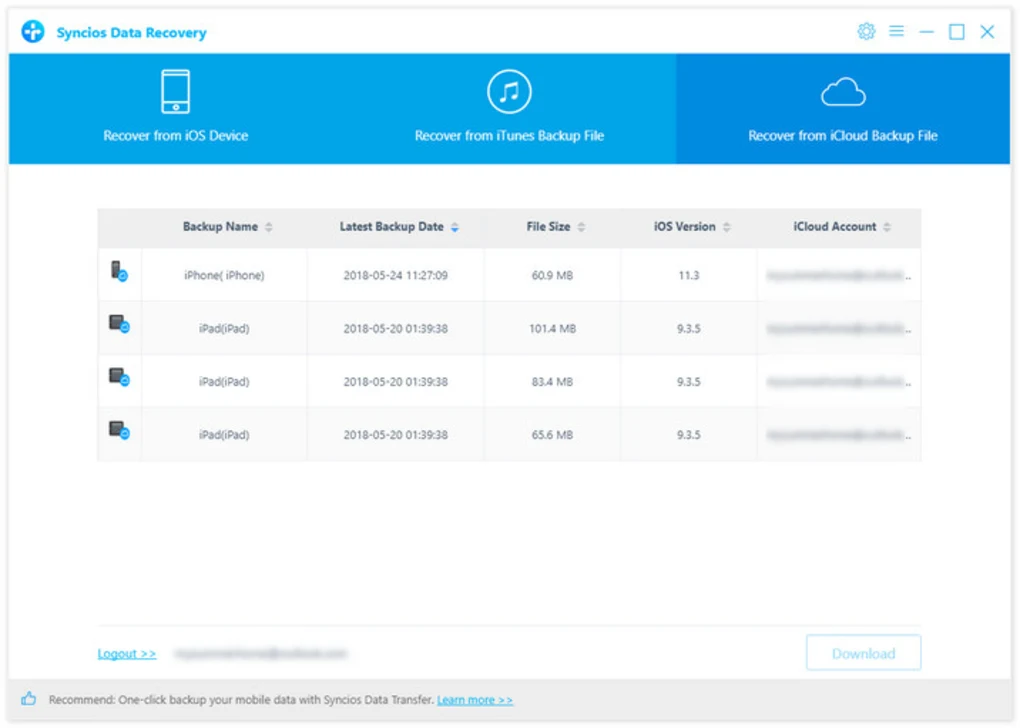
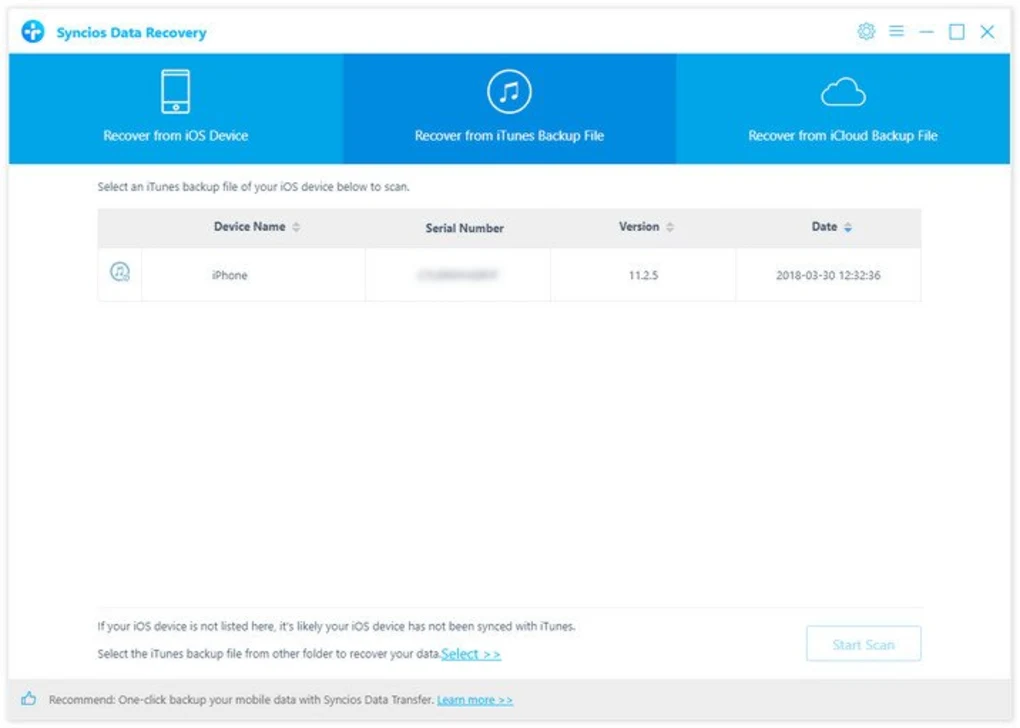
One important feature category is backup recovery.
Users may recover data from:
- Device backups
- Local computer backups
- iTunes-related backup systems
without directly restoring entire devices.
Another major feature is selective recovery.
Instead of restoring full device backups, users may recover only specific files such as:
- Individual photos
- Specific contacts
- Selected messages
- Particular conversations
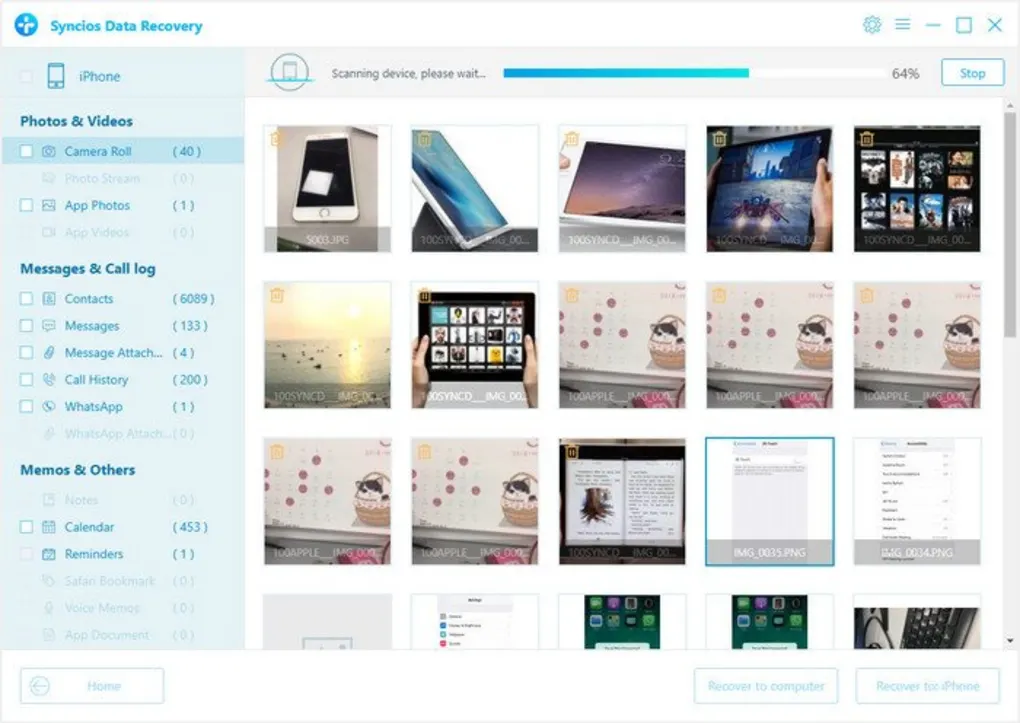
Preview functionality is also important because users can often review recoverable files before restoration.
The software generally works on:
- Windows
- macOS
and may require:
- USB device connections
- Device drivers
- Device trust permissions
- USB debugging (for Android in some cases)
However, users should understand several important limitations.
Modern smartphones use strong encryption and security protections.
Recovery success depends heavily on:
- Device encryption
- Operating system version
- Whether deleted data was overwritten
- Backup availability
- Device health condition
Another important limitation involves iPhone and Android security architecture.
Certain operating system protections may restrict direct access to deleted data.
Some recovery scenarios may therefore rely more heavily on:
- Existing backups
- Cloud synchronization
- Cached storage data
rather than direct raw storage recovery.
SSD-like flash storage systems used in smartphones can also permanently erase deleted data quickly because of:
- TRIM-like storage management
- Garbage collection systems
- Encryption-based file handling
Physically damaged devices may additionally require professional repair before recovery becomes possible.
Users should also be cautious when connecting phones containing sensitive information to third-party recovery software.
The mobile recovery software ecosystem contains many fake or misleading applications online, so users should only use trusted downloads.
Overall, SynciOS Data Recovery acts as a mobile data recovery and restoration platform designed to recover deleted mobile content, extract backups, and assist with smartphone recovery workflows.
💻 System Requirements (General)
Minimum Requirements
- Operating System:
Windows 7 / Windows 10 / Windows 11 / macOS - Processor:
Intel or AMD compatible processor - RAM:
Minimum 4GB RAM - Storage:
Free space for recovered files - Connection:
USB connection for mobile devices
Recommended Requirements
- RAM:
8GB RAM or more - Storage:
SSD recommended for faster scanning - Additional Requirements:
- Mobile device drivers
- USB debugging (Android where applicable)
- Stable USB cable
- Backup storage space
🔄 Alternatives
Users commonly compare SynciOS Data Recovery with:
- Dr.Fone
- Tenorshare UltData
- iMobie PhoneRescue
- EaseUS MobiSaver
- DroidKit
❓ FAQ
Q1. What is SynciOS Data Recovery mainly used for?
It is mainly used for recovering deleted mobile data from Android and iPhone devices.
Q2. Can it recover deleted photos?
Yes, photo recovery is one of its common functions.
Q3. Does it support WhatsApp recovery?
Yes, WhatsApp data recovery may be supported depending on version and device.
Q4. Can backups be extracted selectively?
Yes, selective recovery is commonly supported.
Q5. Does encryption affect recovery success?
Yes, modern smartphone encryption can significantly limit recovery.
Q6. Can physically damaged phones always be recovered?
No, severe hardware damage may require professional repair first.
Q7. Why should backups still be maintained?
Because no recovery software can guarantee complete recovery success.
🔄 Best Alternatives
Features
- ✔️ Android and iPhone recovery support
- ✔️ Deleted photo recovery
- ✔️ WhatsApp restoration
- ✔️ Contact and message recovery
- ✔️ Backup extraction support
- ✔️ Selective file restoration
- ✔️ Preview functionality
- ✔️ Video and audio recovery
- ✔️ USB device support
- ✔️ Deep scan recovery modes
- ✔️ Windows and macOS compatibility
- ✔️ Backup analysis tools
- ✔️ App data extraction
- ✔️ Mobile media recovery
- ✔️ Beginner-friendly interface
👍 Pros & 👎 Cons
Pros
- Supports both Android and iPhone recovery
- Useful for accidental deletion recovery
- Selective recovery improves convenience
- Backup extraction reduces full-device restores
- Beginner-friendly interface
- Supports photos, videos, and messages
- Preview system helps identify files
- Helpful for common mobile recovery situations
Cons
- Recovery success is not guaranteed
- Modern encryption limits recovery access
- Flash storage may permanently erase deleted data quickly
- Device compatibility varies
- Some advanced features may require paid licenses
- Physically damaged devices may need repair first
- USB driver or permission issues may occur
Expert Review
In my opinion, SynciOS Data Recovery is useful because smartphone data has become extremely important for personal, business, and communication purposes, yet many users still lack proper backup habits.
One of the biggest strengths is convenience. The software combines:
- iPhone recovery
- Android recovery
- Backup extraction
- WhatsApp recovery
- Media restoration
into a centralized interface.
Selective recovery is especially valuable because users often need only specific:
- Photos
- Contacts
- Messages
- Conversations
rather than complete device restores.
The preview system also improves usability by helping users identify recoverable data before recovery begins.
However, users should understand that modern mobile operating systems are heavily secured.
Recovery success depends strongly on:
- Device encryption
- Storage overwriting
- OS security restrictions
- Backup availability
- Flash memory behavior
Another important point is that mobile flash storage can permanently clear deleted data surprisingly quickly compared to traditional hard drives.
For accidental deletion, backup extraction, common software failures, and mobile recovery workflows, SynciOS Data Recovery can be a practical tool for smartphone users and technicians.
How to Install
⚙️ Installation Guide (General Overview)
Step 1: Download the Software
Obtain the installer from a trusted source.
Step 2: Install the Application
Complete installation on Windows or macOS.
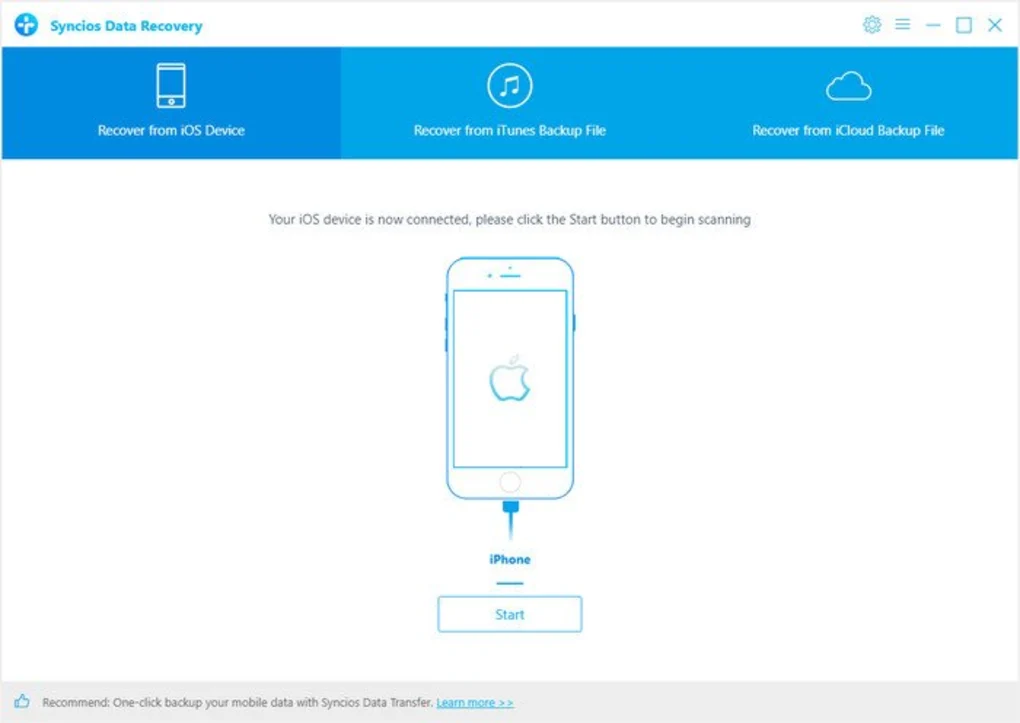
Step 3: Connect the Mobile Device
Use a compatible USB cable.
Step 4: Trust the Computer or Enable Debugging
Grant required permissions.
Step 5: Choose Recovery Mode
Select:
- Device recovery
- Backup extraction
- WhatsApp recovery
- Photo recovery
Step 6: Scan the Device or Backup
Allow the software to analyze available data.
Step 7: Preview Recoverable Files
Review photos, contacts, or messages before recovery.
Step 8: Recover Selected Files
Save restored data to the computer.
Step 9: Verify File Integrity
Check whether restored files open correctly.
Step 10: Maintain Regular Backups
Cloud and local backups reduce future recovery risks.
Apps Specs
Licence
Trial
Latest Update
June 24, 2026
Platform
Windows
Downloads
Devlopers
Top Downloads



Related Topics
Disclaimer
This content is provided for educational and informational purposes only. We do not host, store, or distribute any software files on our servers. All trademarks, product names, and logos belong to their respective owners.
We strongly recommend downloading software only from official websites or trusted sources. We are not responsible for any damage, data loss, or issues that may occur from the use of third-party software.
Users should ensure they comply with all applicable laws and software licensing agreements in their country before downloading or using any software mentioned on this website.
You may also like






Alternatives to



Expore Apps