- Business & Productivity
- Personal Finance Mnagement
- Book Accounts
Book Accounts is designed to simplify financial recordkeeping by providing an easy-to-use digital bookkeeping system.
The software helps users:
- Maintain organized financial records
- Track daily transactions
- Manage business income and expenses
- Generate accounting reports
- Improve financial visibility
- Reduce manual bookkeeping errors
It is commonly used in:
- Small businesses
- Freelance work
- Retail shops
- Service-based businesses
- Personal finance tracking
- Basic accounting environments
Depending on the version, users may get:
- Ledger management tools
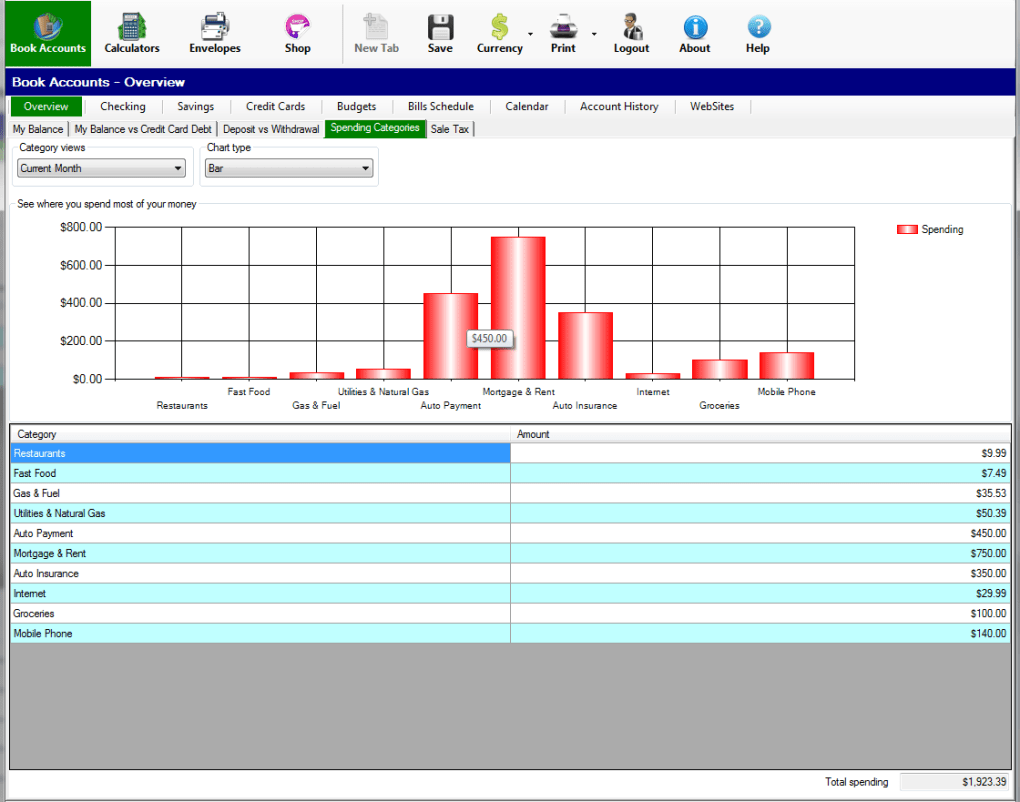
- Expense tracking modules
- Income reporting dashboards
- Tax calculation support
- Customer/vendor account tracking
- Simple invoice support
One major advantage of Book Accounts is simplicity because it focuses on basic accounting tasks without overwhelming users with advanced ERP complexity.
The software is especially useful for:
- Small business owners
- Freelancers
- Students learning accounting
- Shopkeepers
- Home finance users
- Entry-level accountants
who need simple bookkeeping tools.
📌 What is Book Accounts?
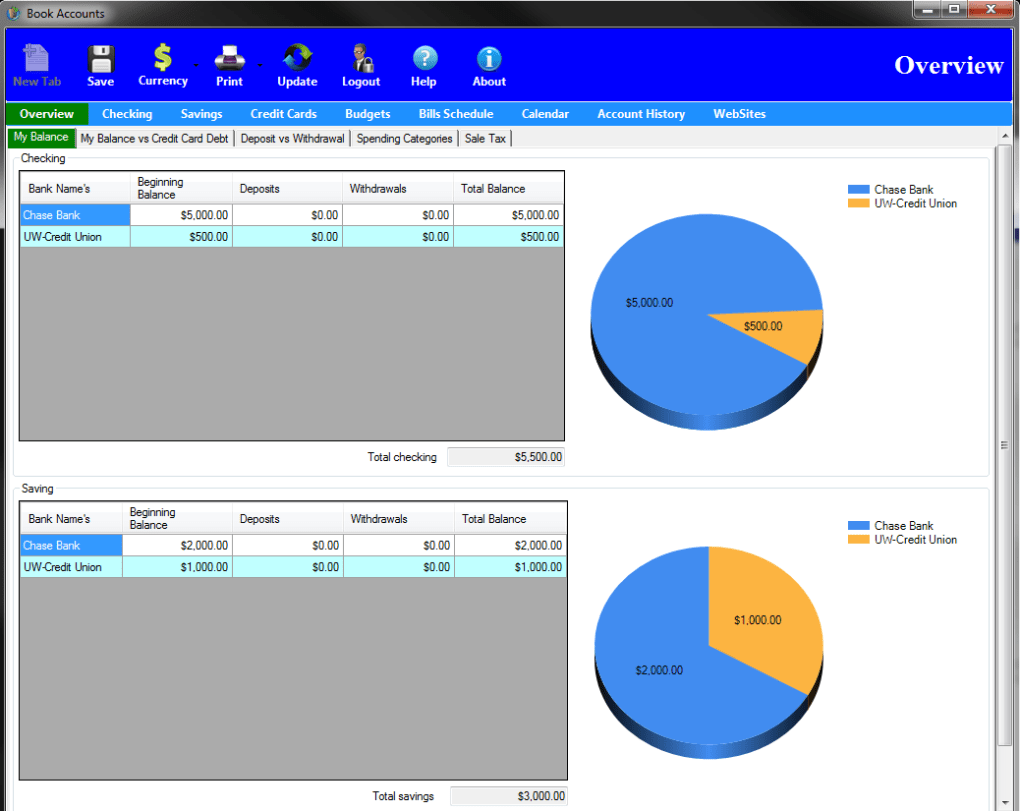
Book Accounts is a simple bookkeeping and accounting software designed to help individuals and small businesses manage financial records, track income and expenses, generate reports, and maintain organized account books digitally.
It is mainly used as a lightweight alternative to complex ERP or enterprise accounting systems.
Common users include:
- Small business owners
- Freelancers
- Shopkeepers
- Accountants
- Personal finance users
🚀 Key Uses
- Recording income and expenses
- Managing financial transactions
- Creating account ledgers
- Tracking business cash flow
- Generating financial reports
- Managing customer and supplier accounts
- Maintaining bookkeeping records
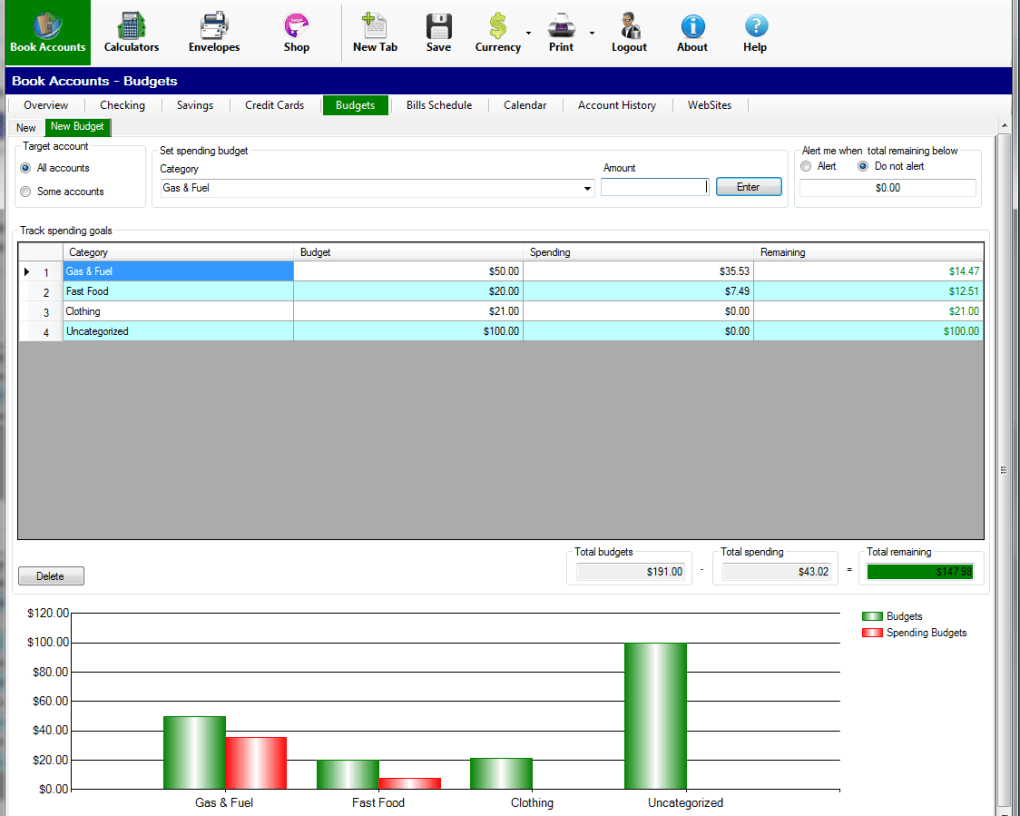
- Budget tracking
- Simplifying tax preparation
- Small business accounting management
💻 System Requirements (General)
Minimum Requirements
- Microsoft Windows 7 / 8 / 10 / 11
- 2GB RAM minimum
- Basic processor (dual-core)
- Small storage space (100MB–500MB)
- Local database support
Recommended Requirements
- 4GB–8GB RAM
- SSD storage
- Updated Windows system
- Stable backup storage
- Printer support for reports
🔄 Alternatives
- TallyPrime
- QuickBooks
- Zoho Books
- Wave Accounting
- Vyapar
- Express Accounts
- GnuCash
❓ FAQ
Q1. What is Book Accounts used for?
It is used for bookkeeping, expense tracking, income management, and financial reporting.
Q2. Is it suitable for small businesses?
Yes, it is mainly designed for small businesses and personal accounting.
Q3. Can it generate reports?
Yes, financial reports like profit/loss and expense summaries are usually supported.
Q4. Does it require accounting knowledge?
Basic accounting knowledge helps, but it is generally beginner-friendly.
Q5. Can it track both income and expenses?
Yes, both income and expense tracking are core features.
🔄 Best Alternatives
Features
✔ Income and expense tracking
✔ Ledger account management
✔ Financial report generation
✔ Simple bookkeeping interface
✔ Cash flow monitoring
✔ Customer and vendor tracking
✔ Budget management tools
✔ Tax preparation support
✔ Easy data entry system
✔ Beginner-friendly design
✔ Business and personal use support
✔ Transaction history management
✔ Report export options
✔ Lightweight accounting system
👍 Pros & 👎 Cons
Pros
- Very simple and easy to use
- Good for beginners and small businesses
- Lightweight software
- Helps organize financial records
- Useful for basic accounting tasks
- Low system requirements
Cons
- Limited advanced accounting features
- Not suitable for large enterprises
- Lacks full ERP functionality
- May require upgrades for complex businesses
- Basic reporting compared to professional tools
Expert Review
Book Accounts is a practical solution for users who need simple and clean bookkeeping without complex accounting systems.
Its strongest advantages are:
- Very easy financial tracking
- Lightweight and fast
- Beginner-friendly interface
- Useful for small business accounting
It is especially helpful for freelancers, shopkeepers, and small business owners who need basic financial organization tools.
However, it is not suitable for large businesses requiring advanced accounting, ERP, or multi-branch financial systems.
Overall, it is a simple and effective bookkeeping software for income tracking, expense management, financial reporting, and small business accounting workflows.
How to Install
⚙️ Installation Guide (General Overview)
Step 1: Download Software
Download Book Accounts from official source.
Step 2: Install Application
Run setup file and complete installation.
Step 3: Create Company Profile
Enter:
- Business name
- Financial year
- Currency settings
Step 4: Configure Accounts
Set up:
- Income accounts
- Expense categories
- Customer/vendor accounts
Step 5: Start Recording Transactions
Add:
- Income entries
- Expense records
- Payments and receipts
Step 6: Generate Reports
View:
- Profit & loss report
- Expense summary
- Account balances
Step 7: Monitor Cash Flow
Track financial performance regularly.
Step 8: Backup Data
Save accounting data securely.
Step 9: Export Reports
Export financial reports for tax or audit use.
Step 10: Maintain Regular Updates
Keep records updated for accuracy.
Apps Specs
Licence
Free
Latest Update
June 24, 2026
Platform
Windows
Downloads
Devlopers
Top Downloads
Related Topics
Disclaimer
This content is provided for educational and informational purposes only. We do not host, store, or distribute any software files on our servers. All trademarks, product names, and logos belong to their respective owners.
We strongly recommend downloading software only from official websites or trusted sources. We are not responsible for any damage, data loss, or issues that may occur from the use of third-party software.
Users should ensure they comply with all applicable laws and software licensing agreements in their country before downloading or using any software mentioned on this website.
You may also like
Alternatives to
Expore Apps