

Best Productivity Apps for Windows Users in 2026
Introduction
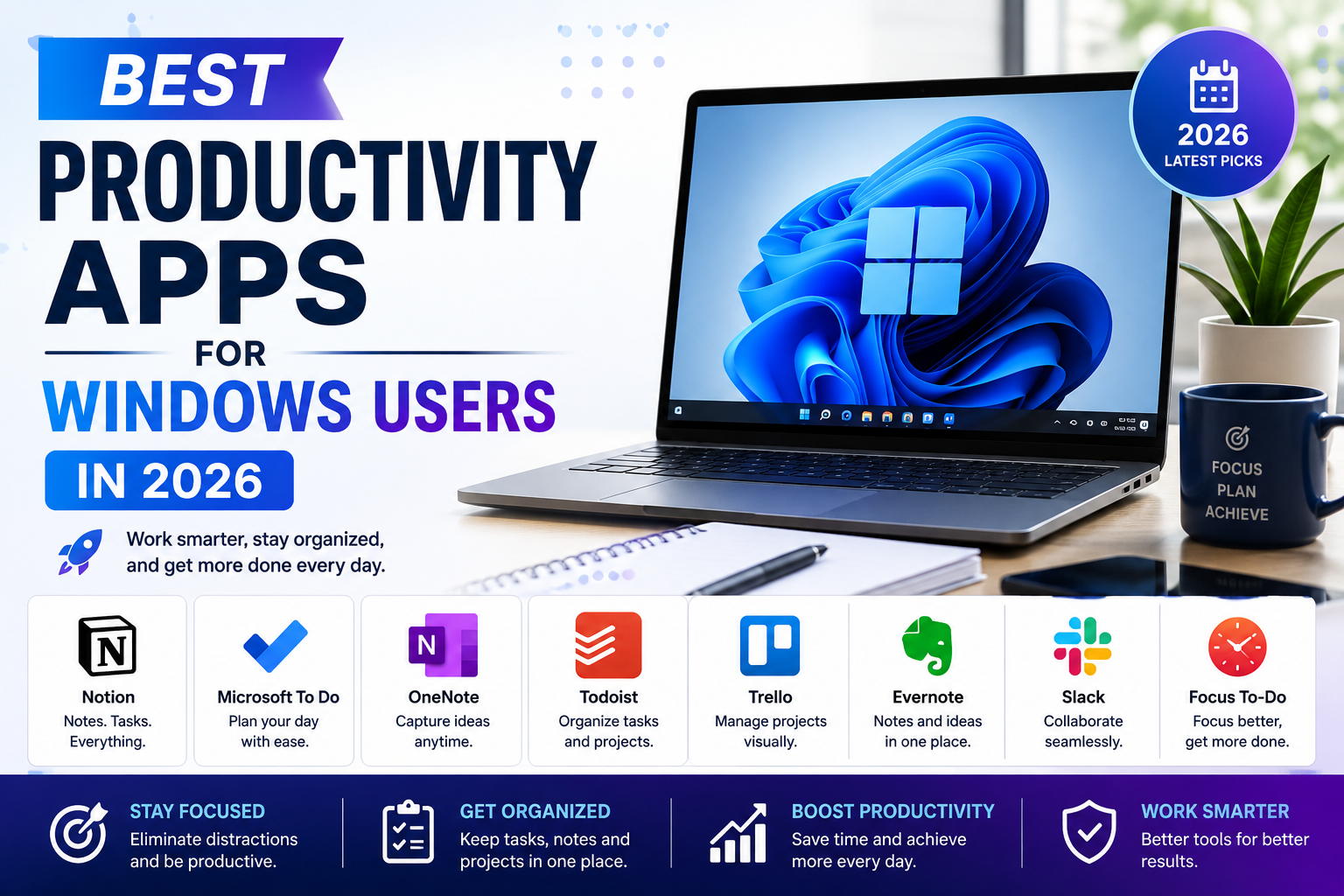
Whether you’re a student, professional, freelancer, or business owner, productivity apps can help you manage tasks, organize information, improve focus, and save valuable time.
Windows offers thousands of productivity applications, but choosing the right ones can be challenging. Some apps help with task management, while others focus on note-taking, communication, file organization, or time management.
In this guide, we’ll explore some of the best productivity apps for Windows users and explain how they can improve your daily workflow.
Quick Comparison Table
| App | Category | Free Version | Best For |
|---|---|---|---|
| Microsoft OneNote | Note-Taking | Yes | Notes & Organization |
| Notion | Workspace | Yes | All-in-One Productivity |
| Todoist | Task Management | Yes | Task Tracking |
| Trello | Project Management | Yes | Team Collaboration |
| Microsoft To Do | Task Manager | Yes | Personal Productivity |
| Evernote | Notes | Limited | Information Management |
| Obsidian | Knowledge Management | Yes | Personal Knowledge Base |
| Google Drive | Cloud Storage | Yes | File Access & Sharing |
Why Productivity Apps Matter
Productivity apps can help you:
- Manage tasks effectively
- Reduce distractions
- Organize information
- Improve collaboration
- Track deadlines
- Increase efficiency
- Save time daily
The right tools can make a significant difference in both personal and professional productivity.
1. Microsoft OneNote
Overview
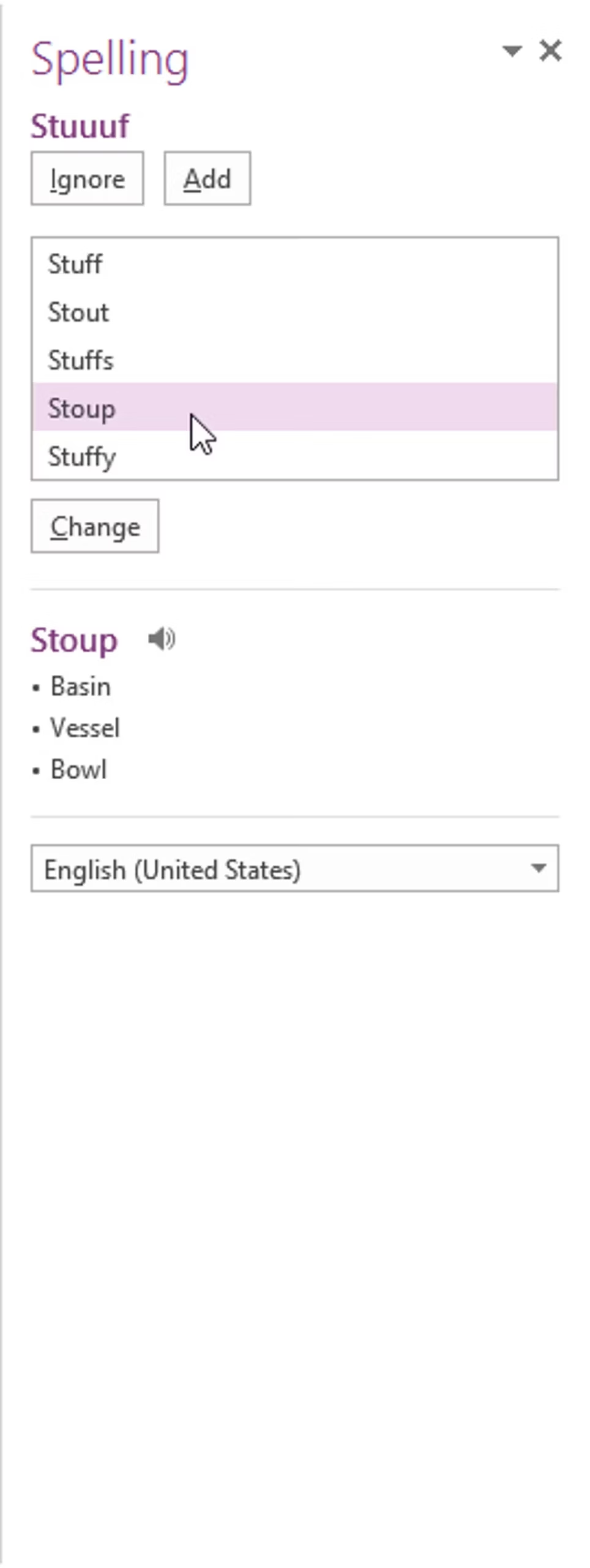
Microsoft OneNote is one of the best free note-taking applications available for Windows users.
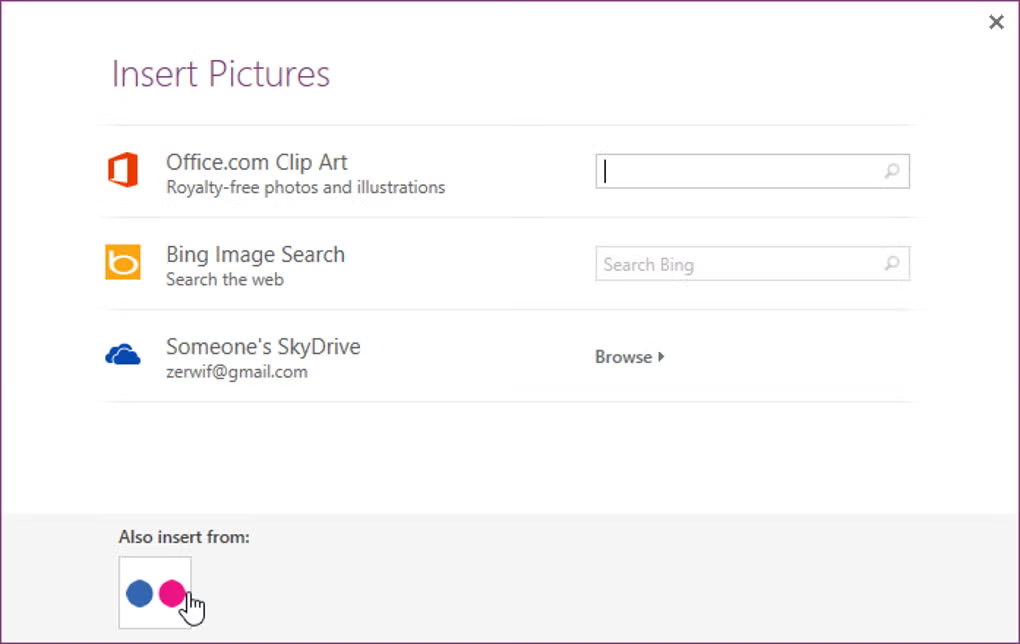
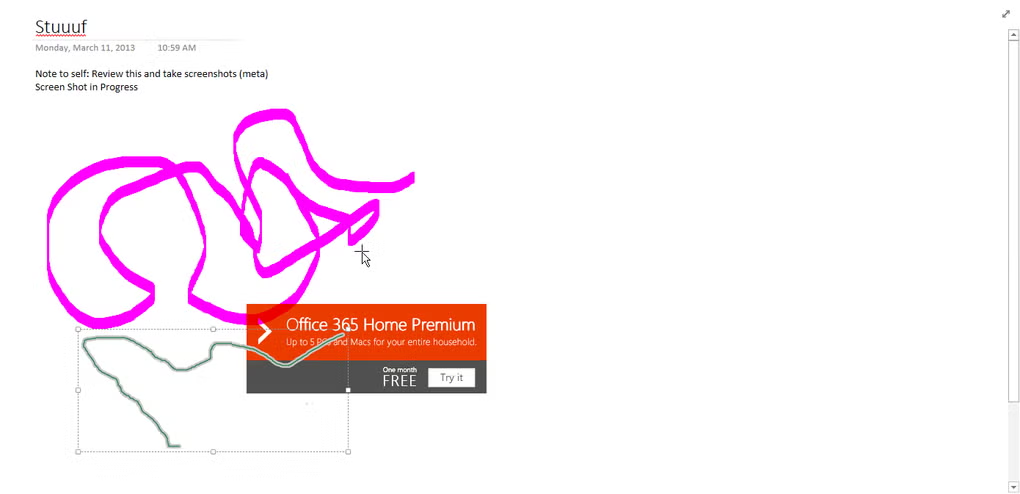
It allows users to create digital notebooks containing notes, images, links, documents, and handwritten content.
Key Features
- Notebook organization
- Cross-device synchronization
- Handwriting support
- Audio notes
- Search functionality
Pros
- Free to use
- Excellent organization tools
- Seamless Microsoft integration
Cons
- Can become cluttered with large notebooks
Best For
Students, professionals, and researchers.
2. Notion
Overview
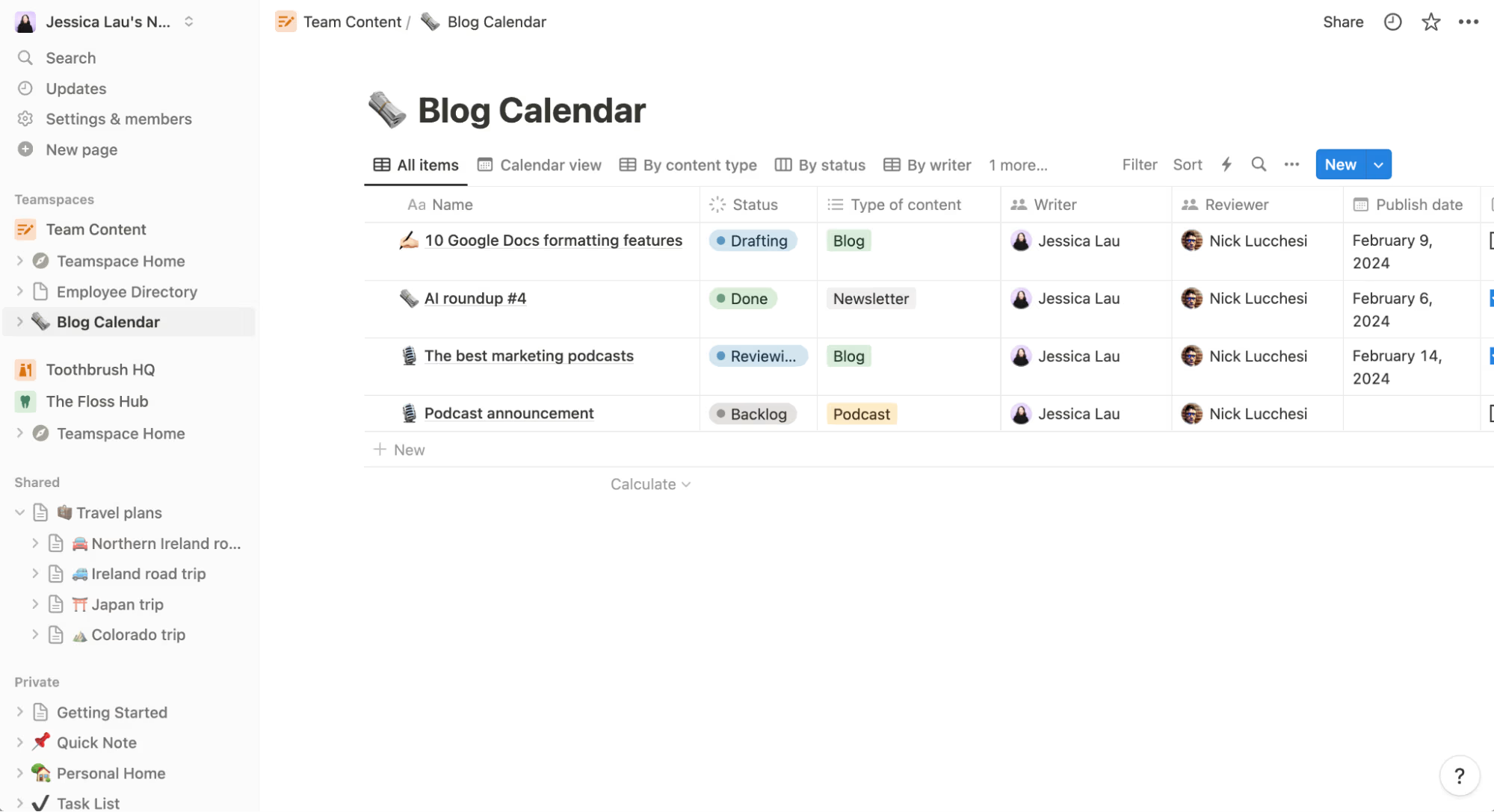
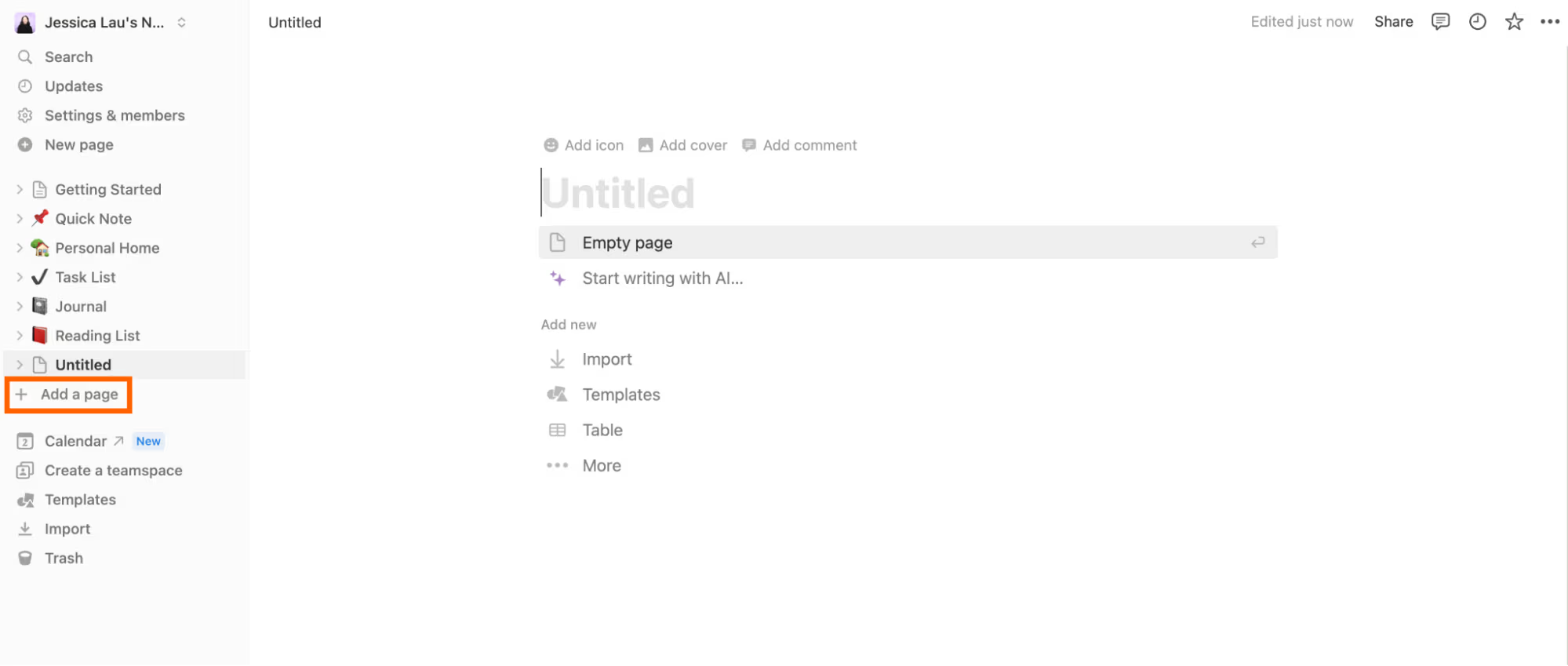
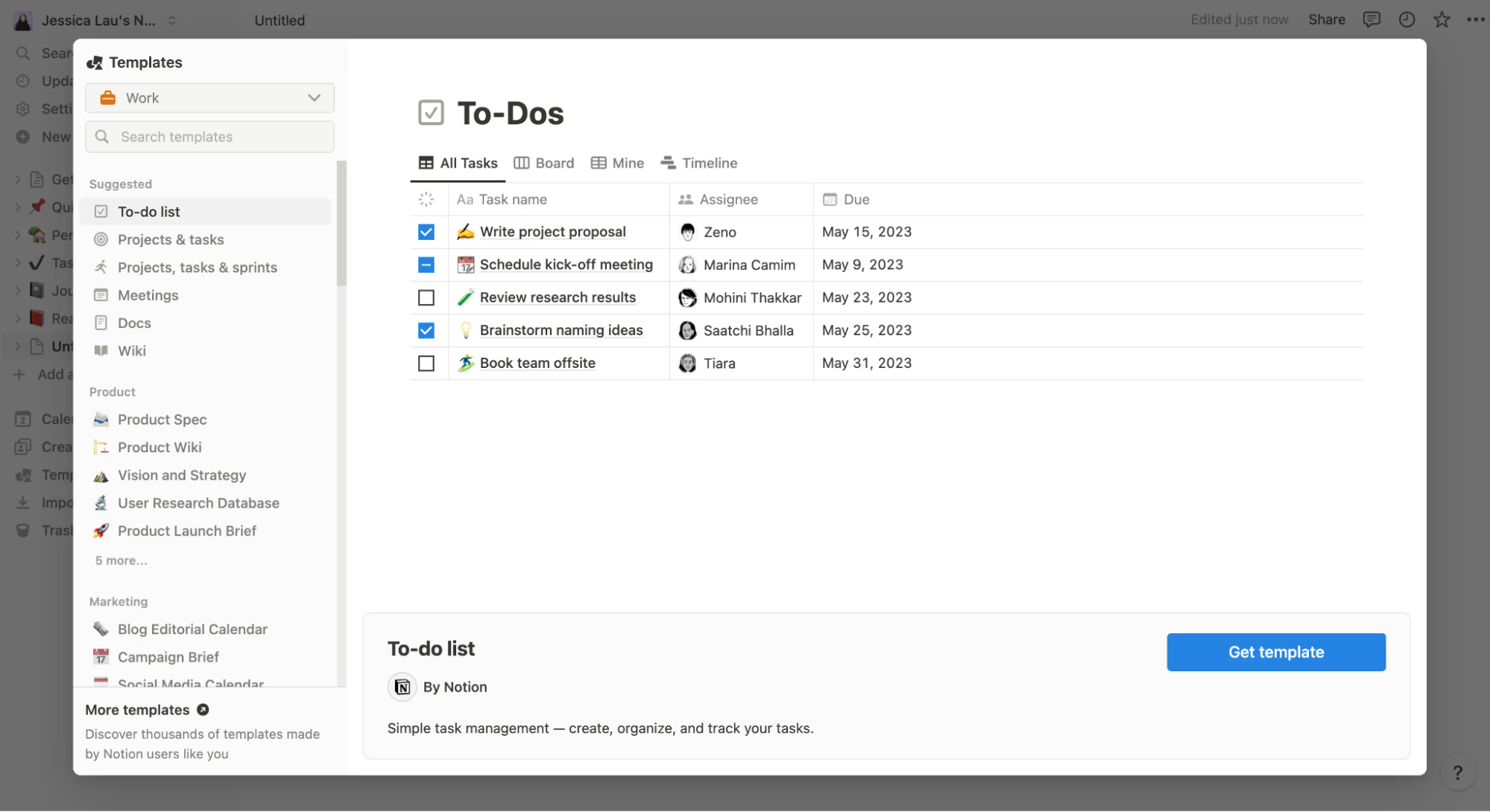

Notion combines note-taking, databases, project management, and collaboration tools into a single platform.
Key Features
- Custom workspaces
- Project tracking
- Knowledge bases
- Templates
- Team collaboration
Pros
- Extremely flexible
- Modern interface
- Powerful organization options
Cons
- Learning curve for new users
Best For
Teams, freelancers, and content creators.
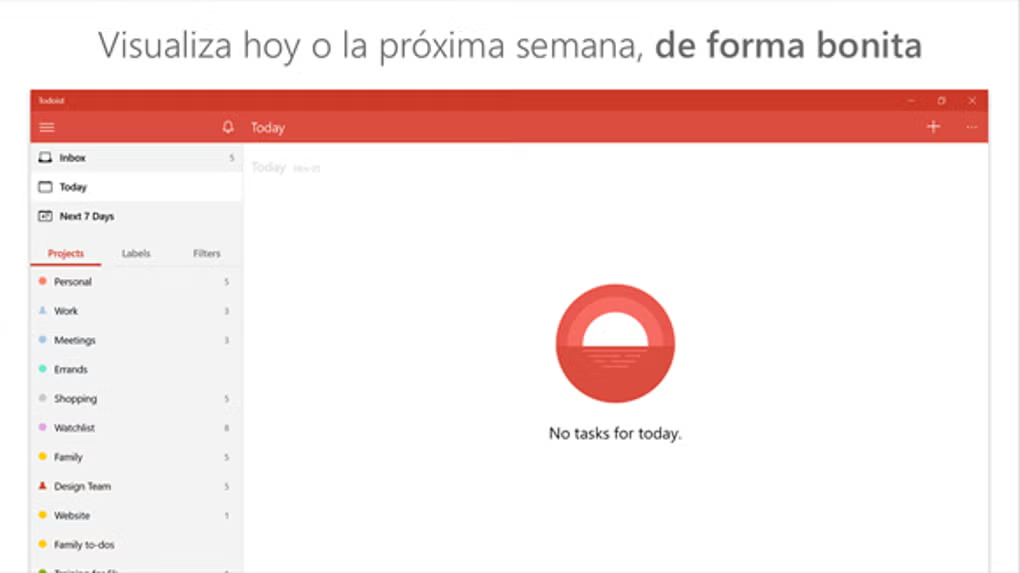
3. Todoist
Overview
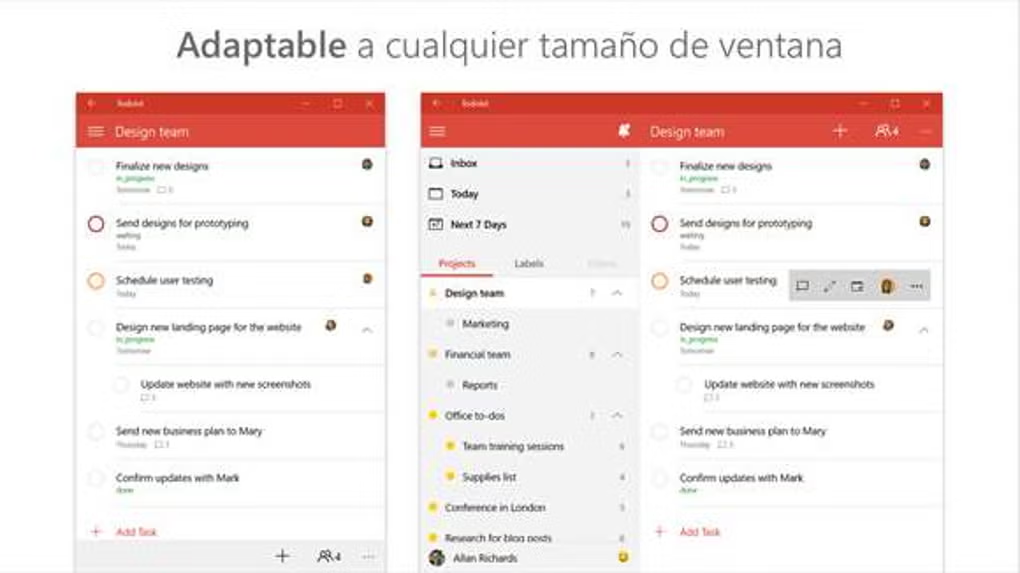
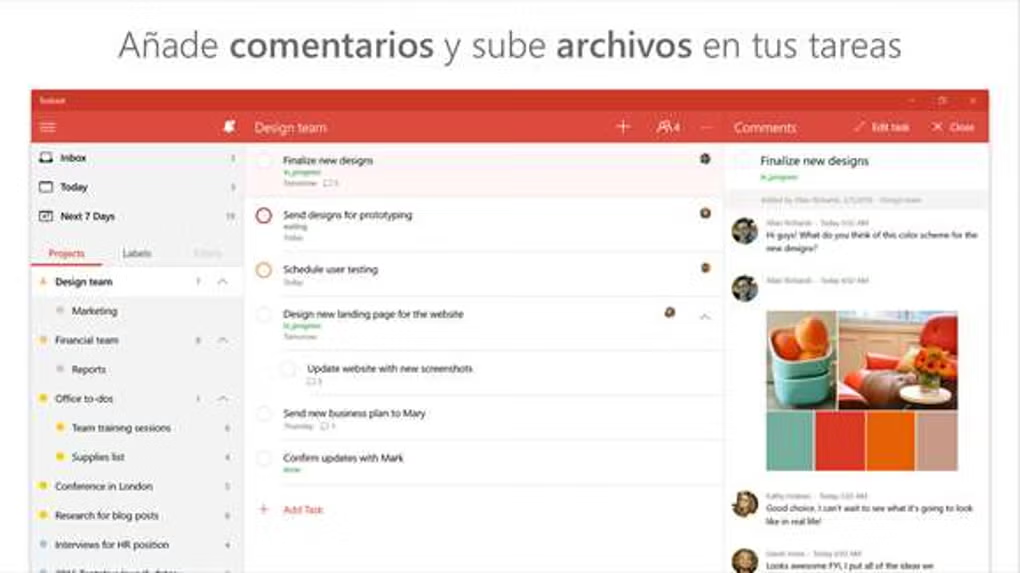
Todoist is one of the most popular task management applications.
Key Features
- Task scheduling
- Priority levels
- Recurring tasks
- Productivity tracking
- Cross-platform synchronization
Pros
- Easy to use
- Clean interface
- Strong mobile support
Cons
- Some advanced features require premium plans
Best For
Personal task management.

4. Trello
Overview
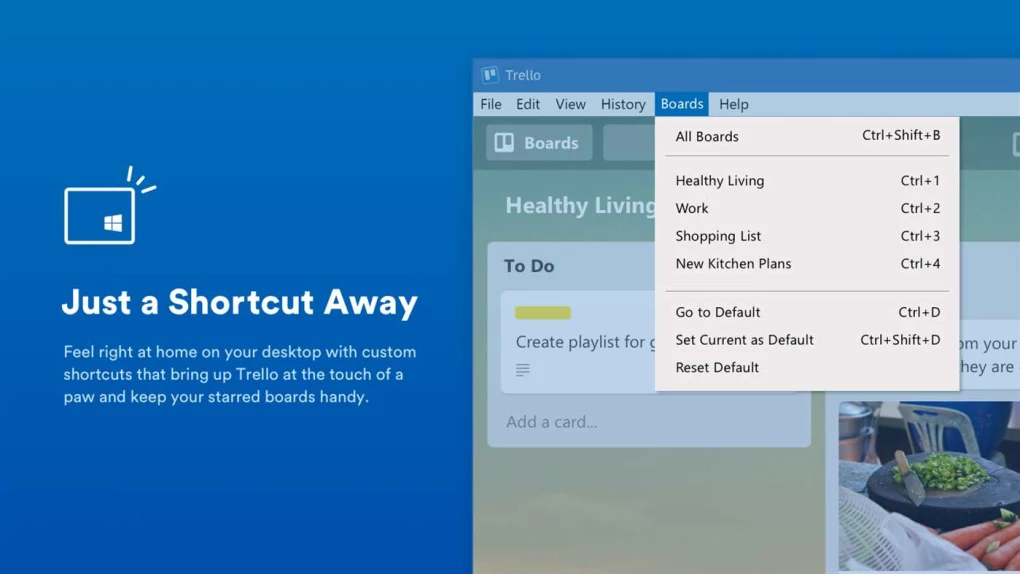
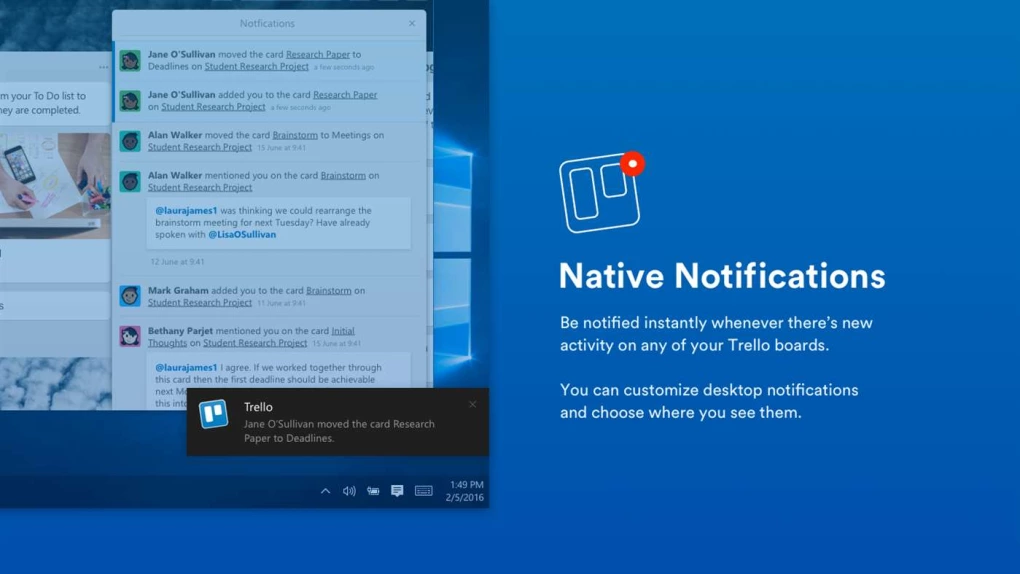
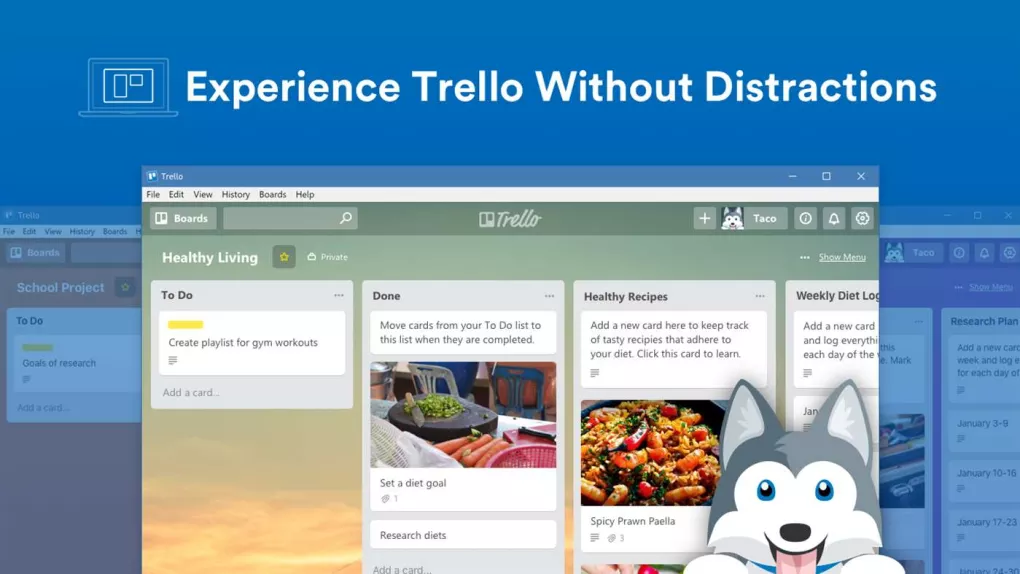
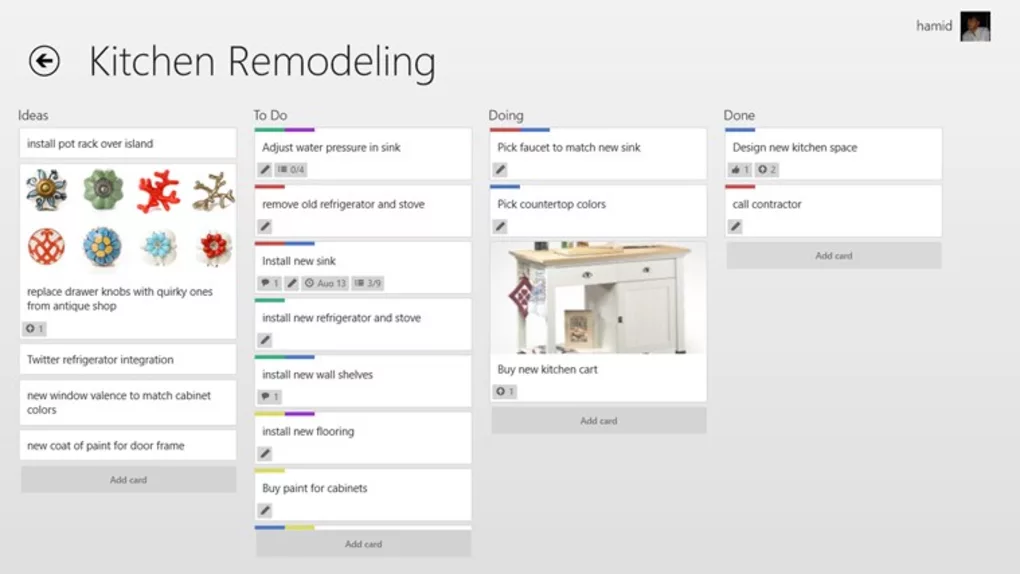
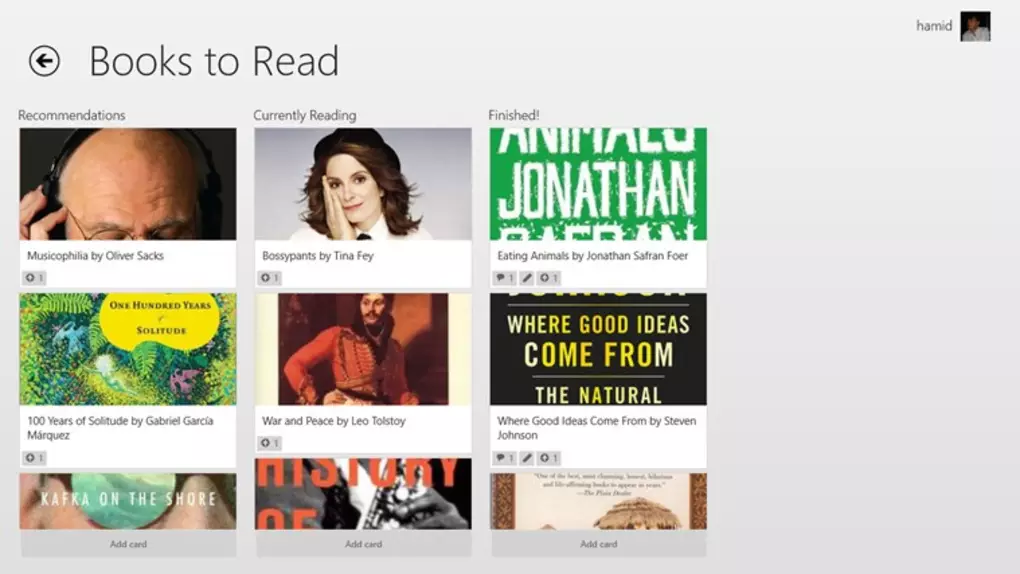
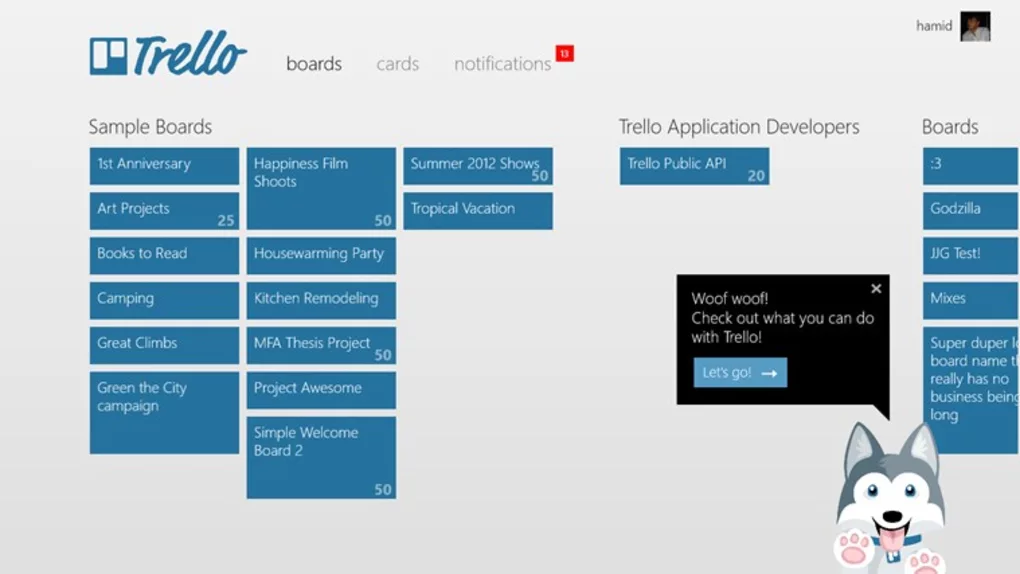
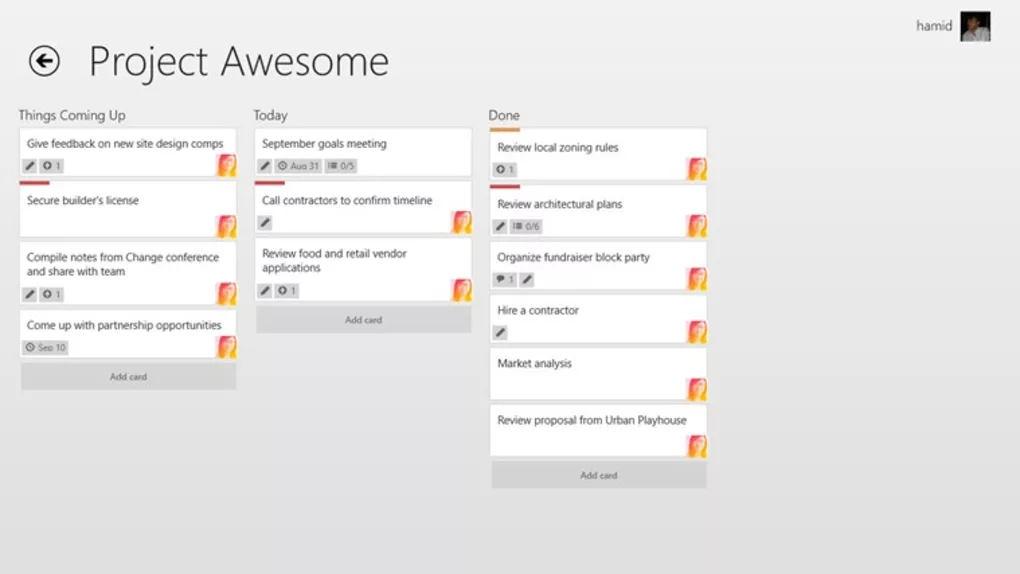
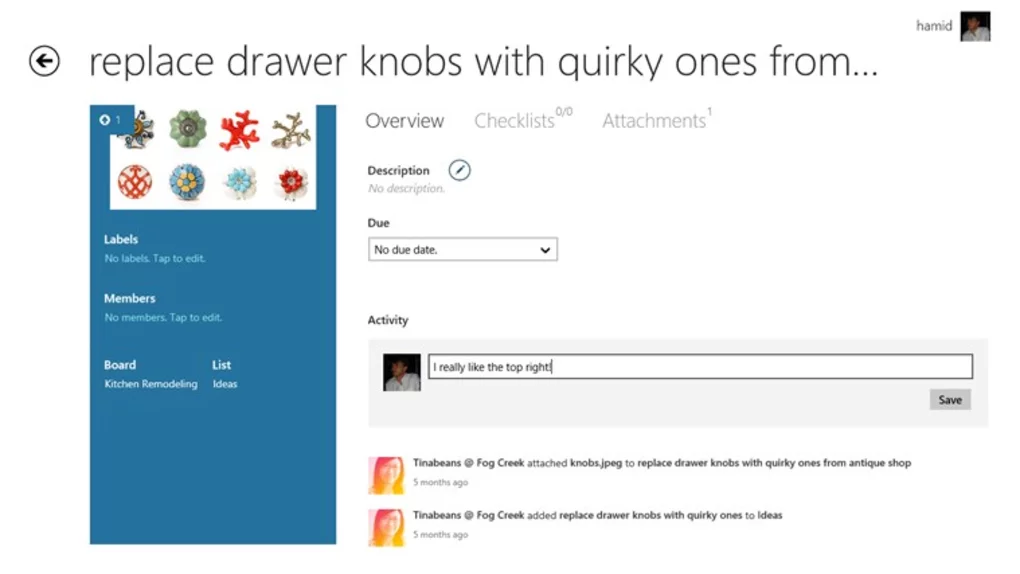
Trello uses a visual Kanban board system to manage projects and workflows.
Key Features
- Drag-and-drop boards
- Task cards
- Team collaboration
- Automation tools
- Project tracking
Pros
- Visual workflow management
- Beginner-friendly
Cons
- Large projects may become difficult to manage
Best For
Small teams and project managers.
5. Microsoft To Do
Overview
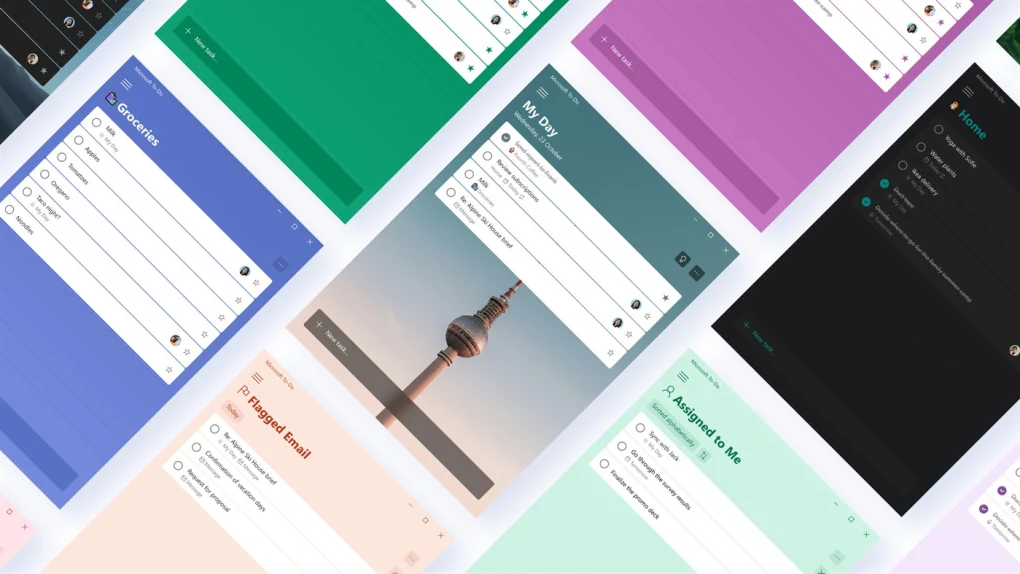
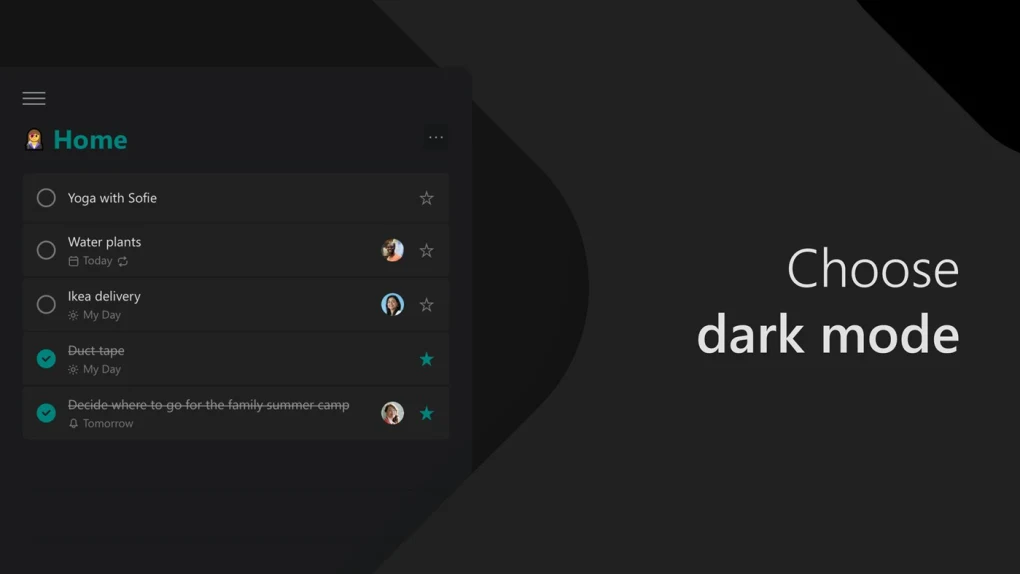
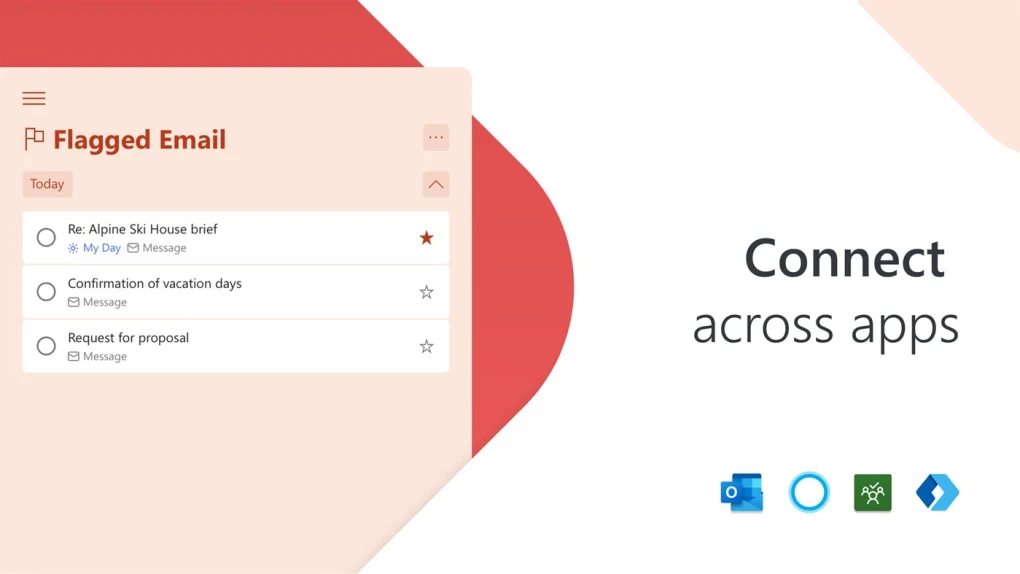
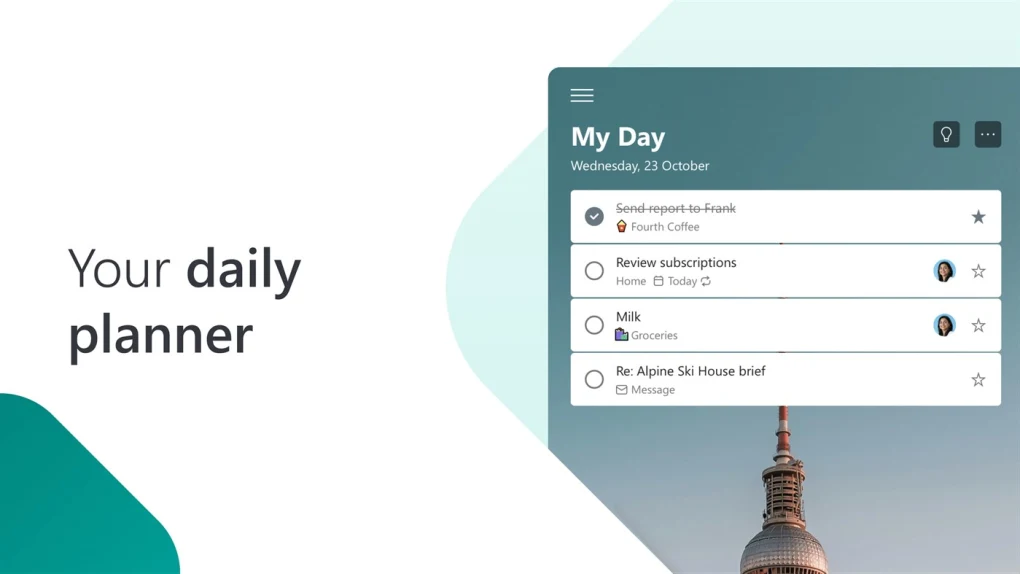
Microsoft To Do provides a simple way to organize daily tasks.
Key Features
- Task lists
- Reminders
- Due dates
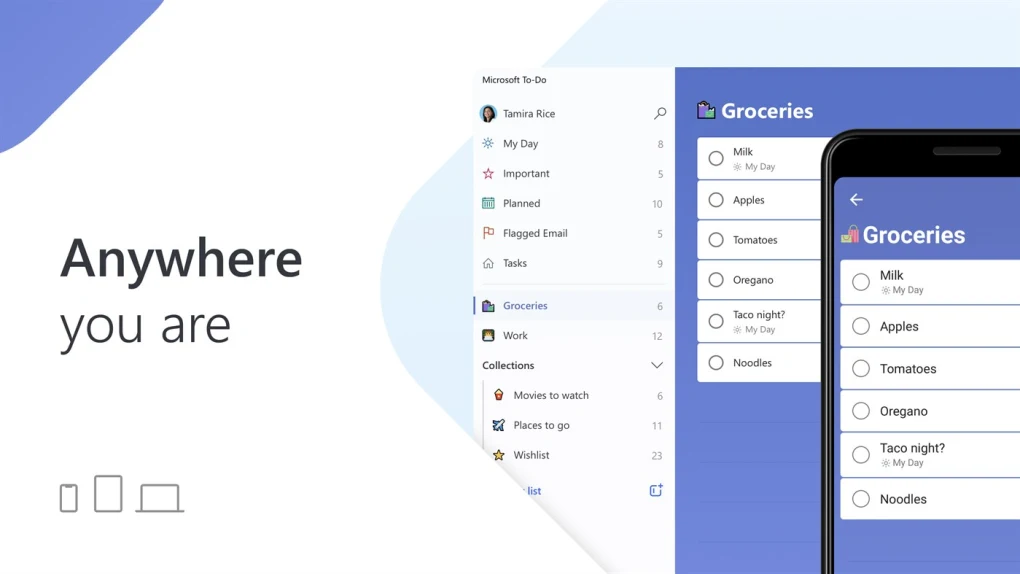
- Synchronization across devices
Pros
- Completely free
- Easy setup
- Microsoft ecosystem integration
Cons
- Limited advanced project features
Best For
Individuals seeking simple task management.
6. Evernote
Overview
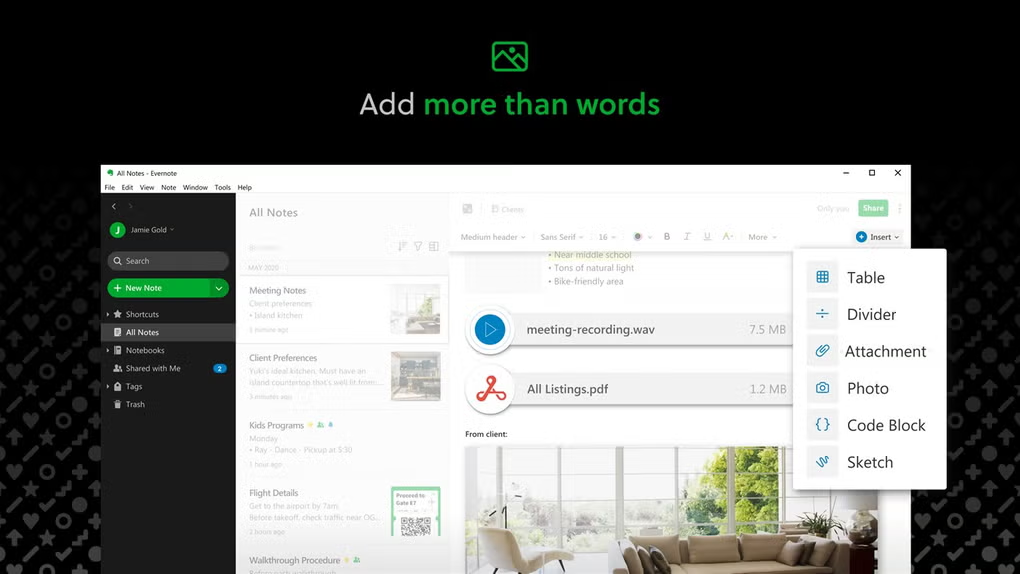
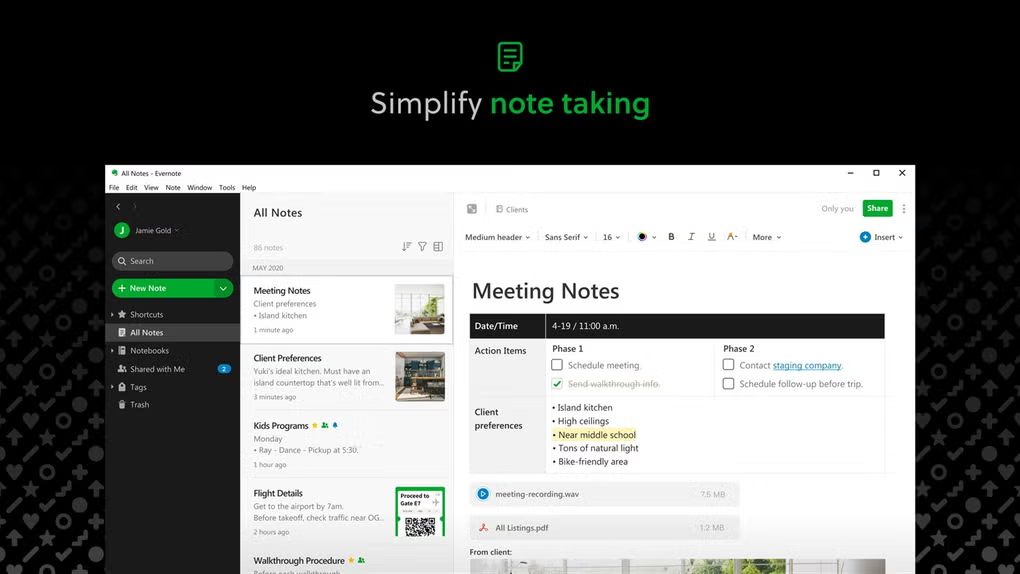
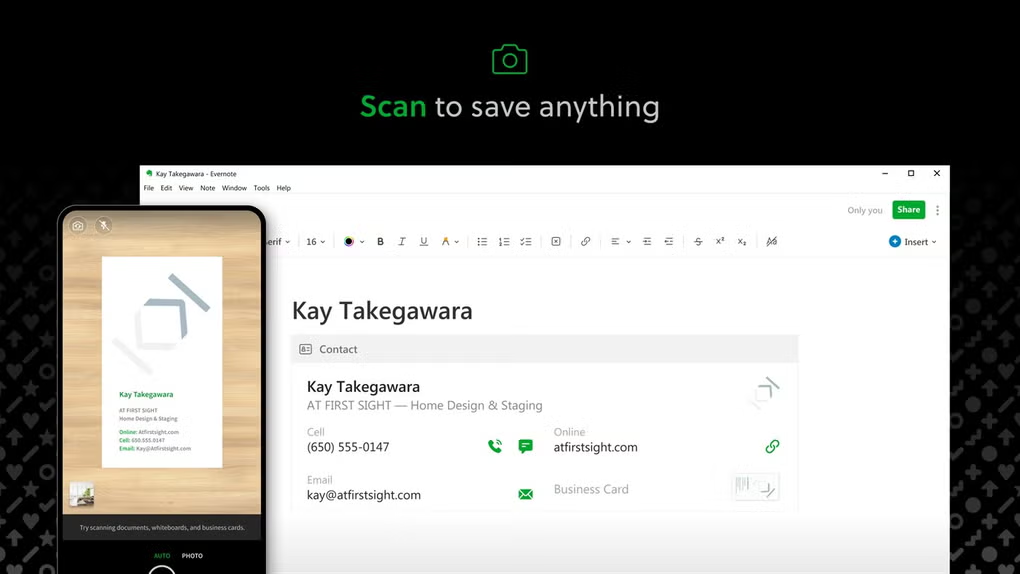
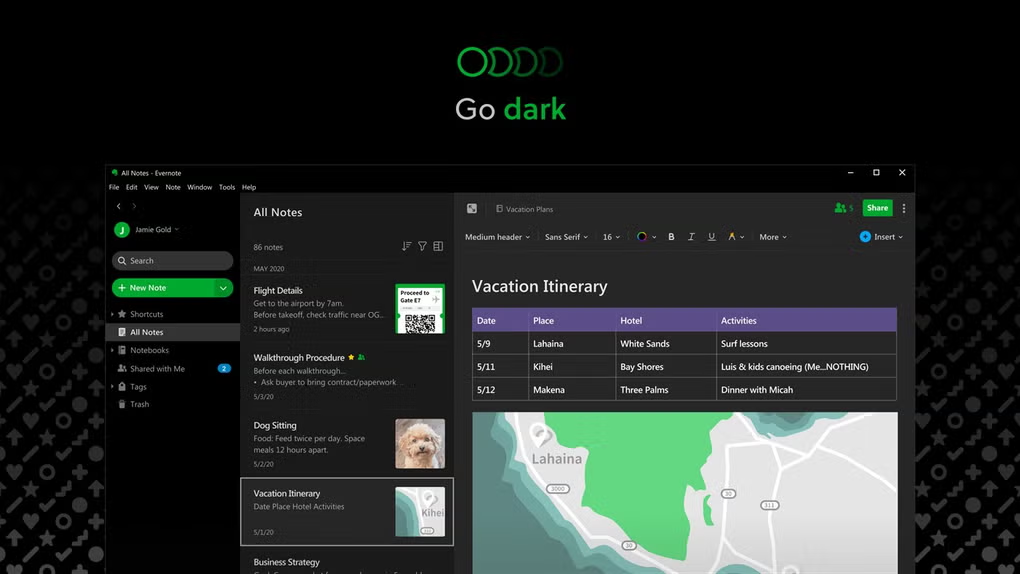
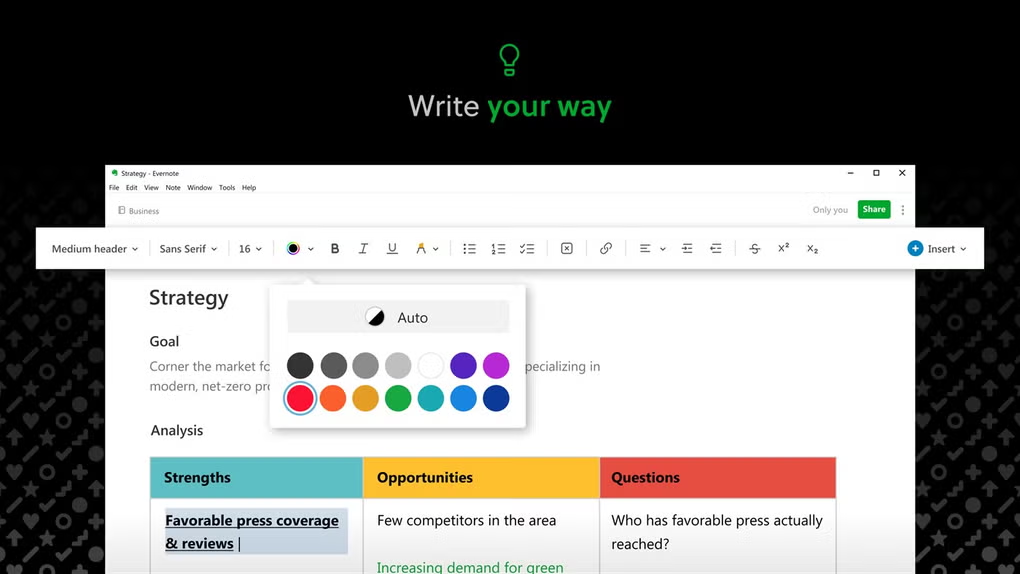
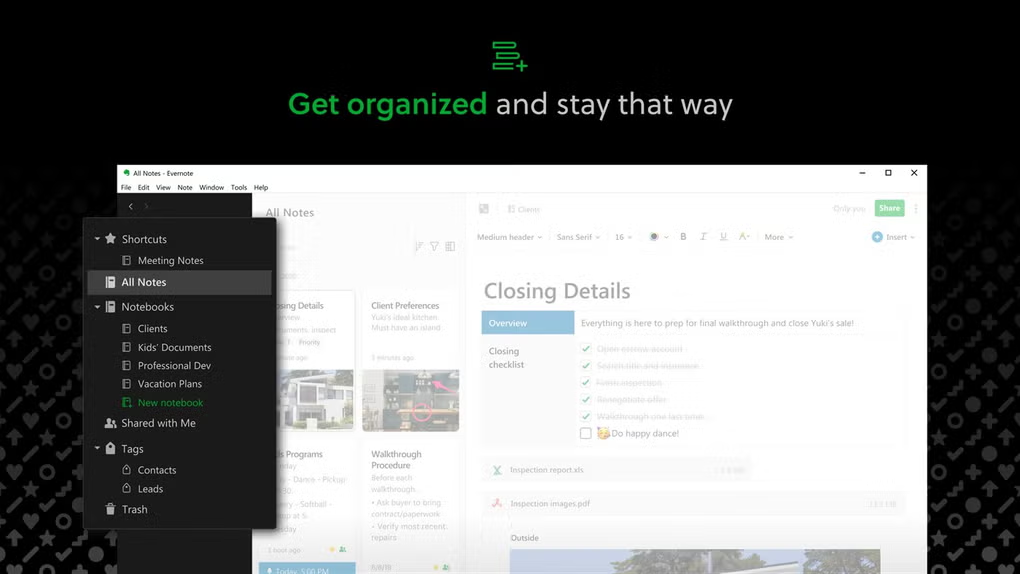
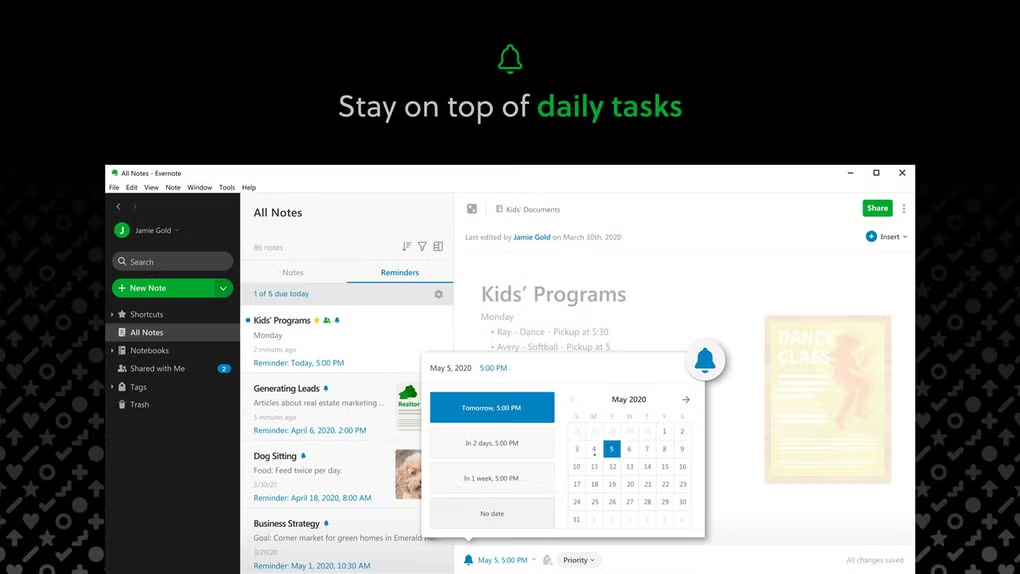
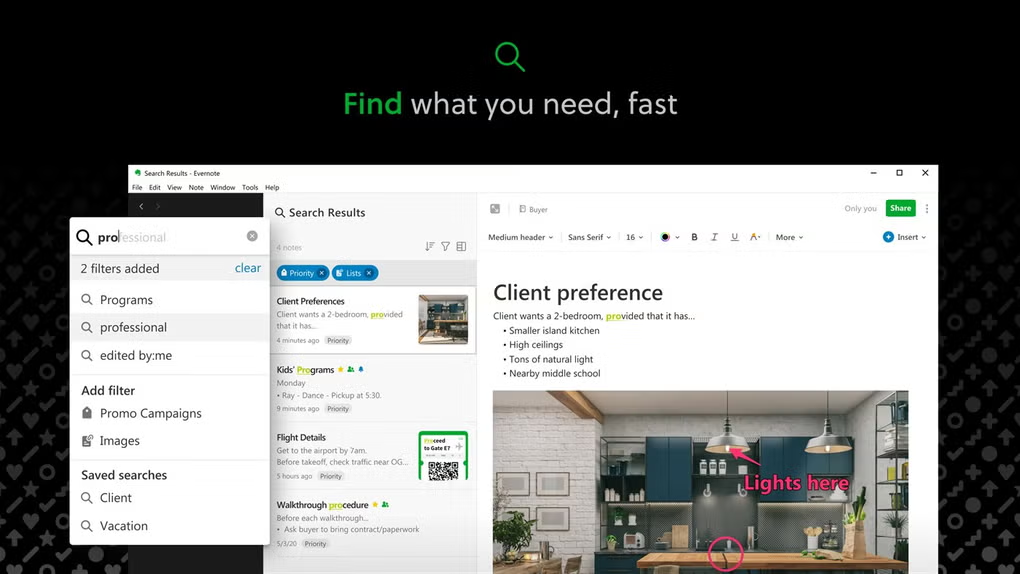
Evernote remains a popular note-taking and information management platform.
Key Features
- Web clipping
- Document storage
- Note organization
- Search functionality
Pros
- Powerful search tools
- Excellent web clipping
Cons
- Free plan limitations
Best For
Researchers and content collectors.
7. Obsidian
Overview
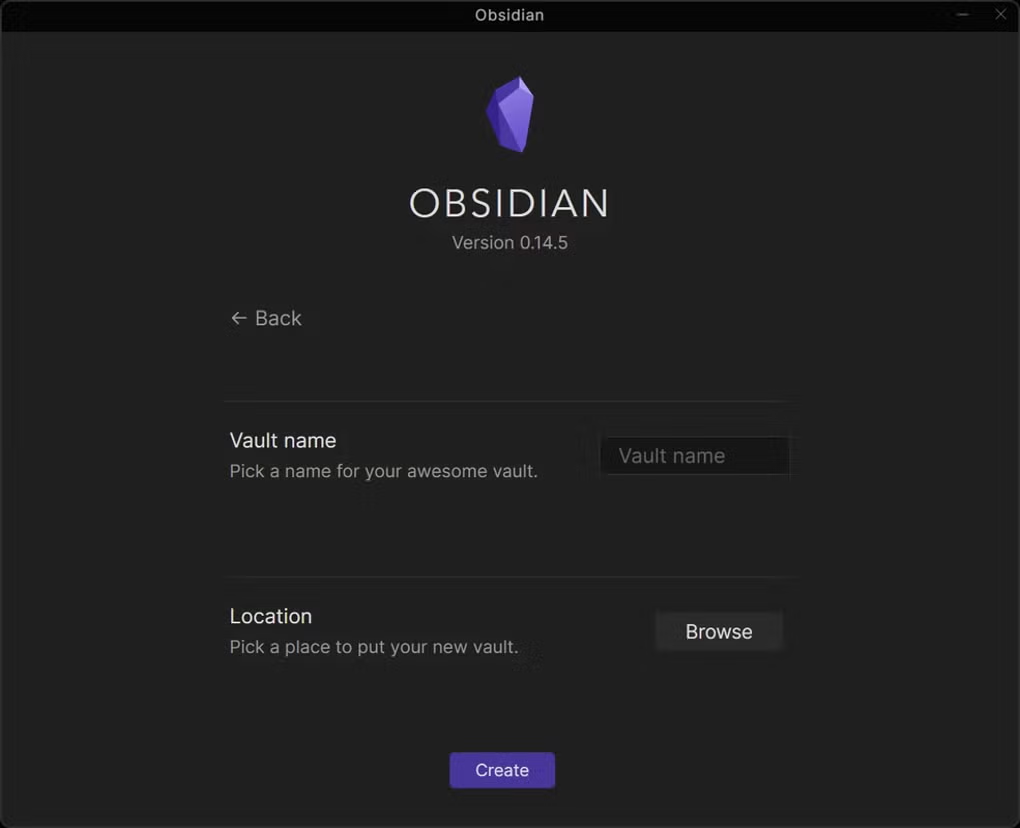
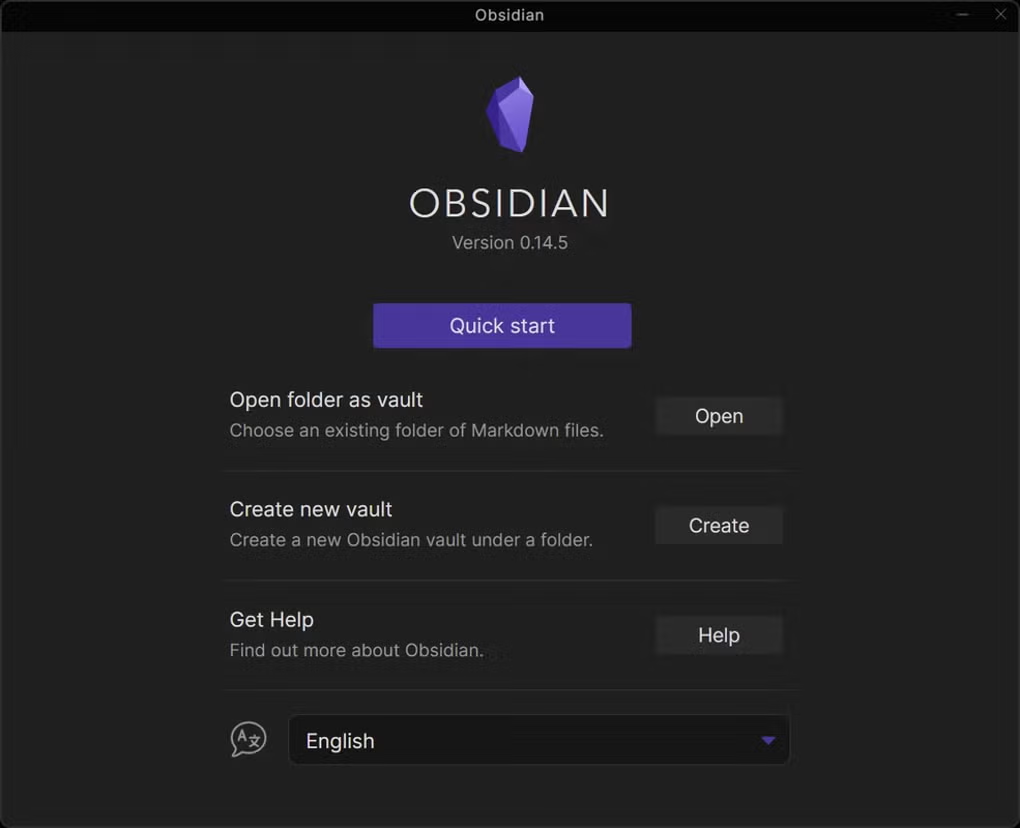
Obsidian focuses on creating interconnected knowledge bases.
Key Features
- Local note storage
- Backlinking
- Graph view
- Markdown support
Pros
- Excellent for knowledge management
- Highly customizable
Cons
- Learning curve for beginners
Best For
Writers, researchers, and advanced users.
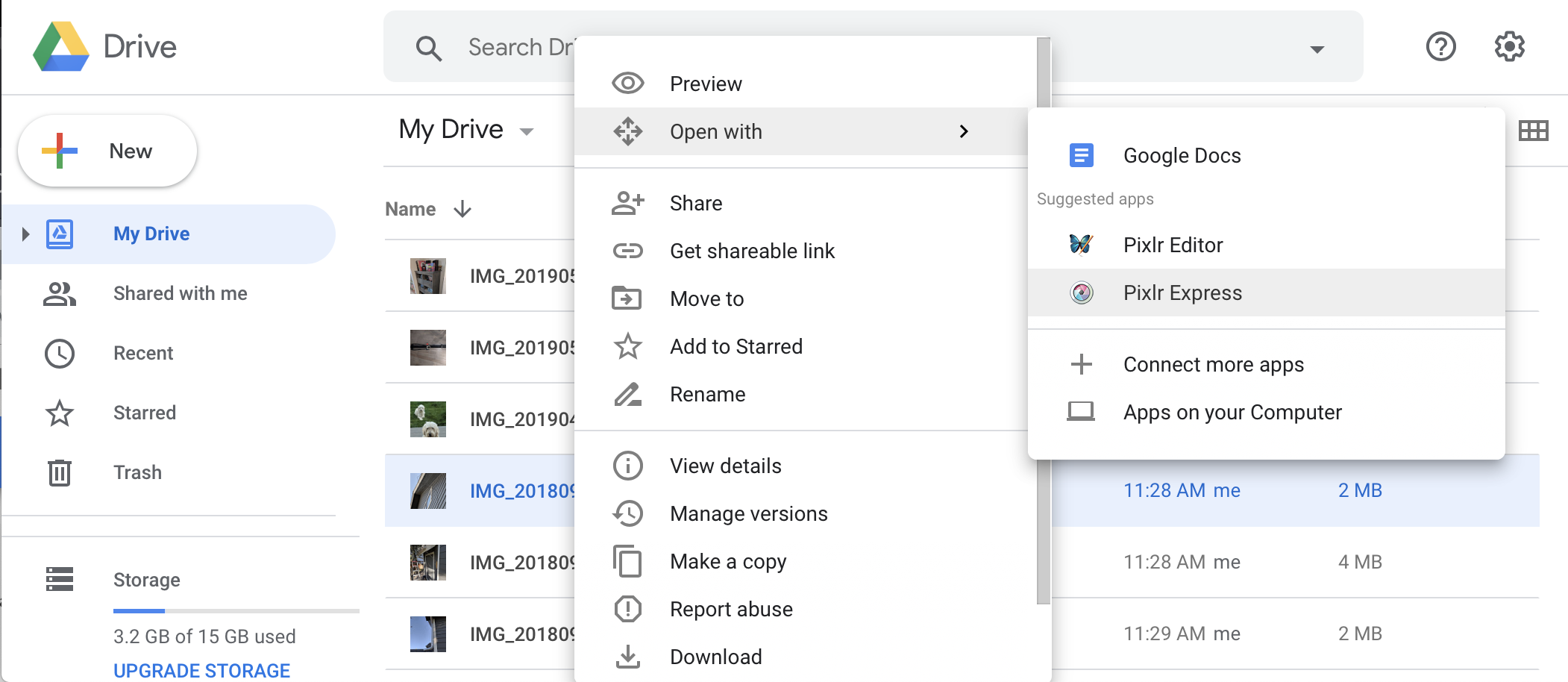
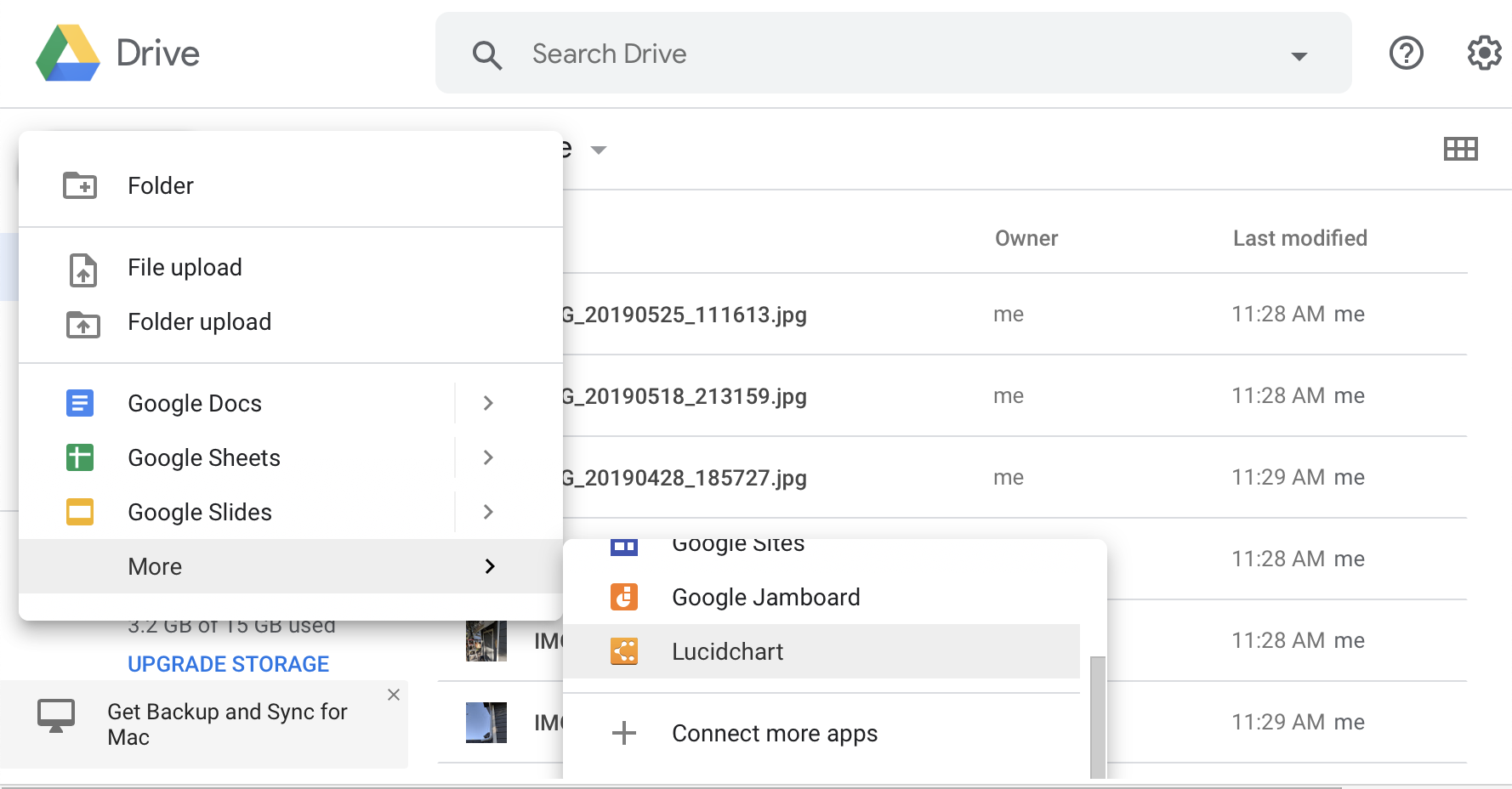
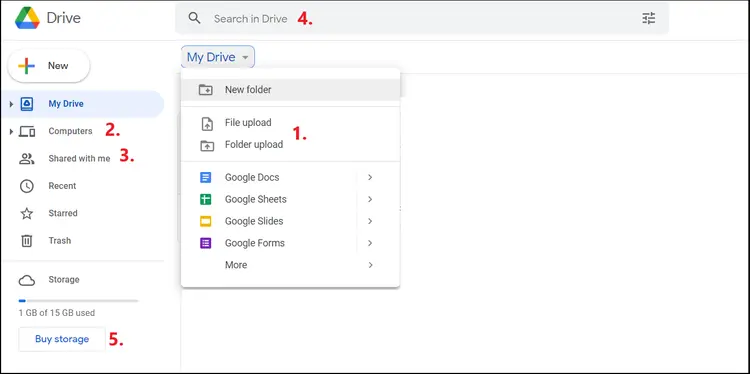
8. Google Drive
Overview
Google Drive combines cloud storage with document collaboration tools.
Key Features
- File synchronization
- Cloud storage
- Sharing tools
- Real-time collaboration
Pros
- Easy file access
- Cross-platform support
Cons
- Storage limitations on free plans
Best For
File storage and collaboration.
Best Productivity Apps by Use Case
Best for Students
Recommended Apps
- OneNote
- Notion
- Microsoft To Do
These apps help organize assignments, lecture notes, and study schedules.
Best for Remote Workers
Recommended Apps
- Trello
- Notion
- Google Drive
They support collaboration and project tracking across teams.
Best for Freelancers
Recommended Apps
- Todoist
- Notion
- Google Drive
These tools help manage deadlines and client projects.
Best for Businesses
Recommended Apps
- Trello
- Notion
- Microsoft OneNote
Useful for project management and team communication.
Real-World Productivity Setup Example
Many productive Windows users combine multiple tools:
Notes
Microsoft OneNote
Task Management
Todoist
Project Planning
File Storage
Google Drive
Knowledge Management
Obsidian
This combination covers nearly every productivity requirement.
Productivity Tips for Windows Users
Use Keyboard Shortcuts
Learning shortcuts can save hours over time.
Organize Files Regularly
Maintain a structured folder system.
Set Daily Priorities
Focus on the most important tasks first.
Automate Repetitive Tasks
Use built-in automation features when possible.
Review Progress Weekly
Evaluate completed tasks and adjust plans.
Microsoft OneNote vs Evernote: Which Note-Taking App Is Better?
When it comes to note-taking applications, Microsoft OneNote and Evernote are among the most popular choices available for Windows users.
Both tools help users organize notes, ideas, documents, research, and projects, but they differ significantly in features, pricing, and workflow.
Let’s compare them in detail.
Overview of Microsoft OneNote
Microsoft OneNote is a free digital notebook application that is part of the Microsoft ecosystem.
It organizes notes into:
- Notebooks
- Sections
- Pages
making it feel similar to a traditional binder.
Key Features
- Free to use
- Rich text formatting
- Handwriting support
- Audio recording
- Image support
- Microsoft 365 integration
- Cloud synchronization via OneDrive
Best For
- Students
- Teachers
- Business users
- Microsoft Office users
Overview of Evernote
Evernote is a productivity-focused note-taking platform designed to help users collect and organize information.
It is especially popular among researchers and professionals who gather large amounts of content.
Key Features
- Web clipping
- Document scanning
- Advanced search
- Tags and notebooks
- Cross-platform synchronization
- AI-powered features (depending on plan)
Best For
- Researchers
- Writers
- Content creators
- Professionals managing large information collections
Feature Comparison Table
| Feature | OneNote | Evernote |
|---|---|---|
| Free Plan | Excellent | Limited |
| Web Clipper | Basic | Excellent |
| Handwriting Support | Excellent | Good |
| Audio Notes | Yes | Yes |
| PDF Annotation | Good | Good |
| Cloud Sync | OneDrive | Evernote Cloud |
| Collaboration | Very Good | Good |
| Microsoft Integration | Excellent | Limited |
| Search Capabilities | Good | Excellent |
User Interface Comparison
OneNote
OneNote provides a notebook-style structure that feels familiar and easy to navigate.
Advantages:
- Organized layout
- Flexible page design
- Easy note categorization
Evernote
Evernote uses a more document-centric approach.
Advantages:
- Powerful search
- Better information retrieval
- Efficient organization through tags
Which App Is Better for Students?
Winner: Microsoft OneNote
Reasons:
- Free access
- Excellent organization
- Handwriting support
- Lecture note management
- Microsoft Office integration
Students often find OneNote ideal for managing class materials and assignments.
Which App Is Better for Professionals?
Winner: Evernote
Reasons:
- Advanced search capabilities
- Better web clipping
- Strong document management
- Efficient information retrieval
Professionals handling large amounts of information may benefit from Evernote’s organizational tools.
Which App Is Better for Research?
Winner: Evernote
Researchers often collect:
- Articles
- Web pages
- PDFs
- References
Evernote’s web clipping and search tools make research management easier.
Which App Is Better for Teams?
Winner: OneNote
OneNote integrates well with:
- Microsoft Teams
- Outlook
- Word
- Excel
- SharePoint
Organizations already using Microsoft products may find OneNote more convenient.
Pros and Cons
Microsoft OneNote
Pros
- Completely free
- Excellent notebook structure
- Great Microsoft integration
- Handwriting support
Cons
- Search functionality can be less powerful
- Large notebooks may become complex
Evernote
Pros
- Powerful search
- Excellent web clipping
- Strong information management
Cons
- Free plan limitations
- Premium features require subscription
Final Verdict
Best Free Note-Taking App
🏆 Microsoft OneNote
Best Research Tool
🏆 Evernote
Best for Students
🏆 Microsoft OneNote
Best for Information Management
🏆 Evernote
For most Windows users, Microsoft OneNote offers the best overall value, especially because of its generous free features and deep Microsoft ecosystem integration.
How Productivity Apps Can Improve Time Management
Time management is one of the biggest challenges faced by students, professionals, freelancers, and business owners.
Productivity apps help users organize tasks, reduce distractions, track progress, and use their time more effectively.
When used correctly, these tools can significantly improve efficiency and reduce stress.
Why Time Management Matters
Good time management helps you:
- Meet deadlines
- Reduce procrastination
- Improve focus
- Complete tasks faster
- Maintain work-life balance
- Increase productivity
Without a system, important tasks can easily be forgotten or delayed.
How Productivity Apps Help
1. Task Organization
Productivity apps allow users to create:
- To-do lists
- Task categories
- Priority levels
- Project boards
This creates a clear overview of pending work.
Example Apps
- Todoist
- Microsoft To Do
- TickTick
2. Deadline Tracking
Many productivity tools provide reminders and notifications.
Benefits include:
- Never missing deadlines
- Better project planning
- Reduced last-minute work
Example Apps
- Todoist
- Trello
- Notion
3. Better Project Management
Large projects often contain dozens of smaller tasks.
Productivity apps help users:
- Break projects into steps
- Assign priorities
- Track progress
Example Apps
- Trello
- Notion
- ClickUp
4. Improved Focus
Some apps help reduce distractions and encourage focused work sessions.
Popular techniques include:
- Pomodoro Method
- Focus timers
- Website blockers
Example Apps
- Forest
- Focus To-Do
- Cold Turkey
5. Centralized Information
Instead of searching through emails, documents, and notebooks, productivity apps store everything in one place.
Benefits:
- Faster information access
- Better organization
- Reduced confusion
Example Apps
- OneNote
- Evernote
- Obsidian
6. Automation of Repetitive Tasks
Modern productivity tools automate routine activities such as:
- Reminders
- Recurring tasks
- Status updates
- Workflow actions
This saves time and reduces manual effort.
Real-World Example
Imagine a freelance designer managing multiple client projects.
Without productivity tools:
- Deadlines may be missed.
- Files become difficult to organize.
- Task tracking becomes confusing.
With productivity apps:
Notion
Manages projects.
Todoist
Tracks daily tasks.
Google Drive
Stores files.
OneNote
Stores client notes.
This creates a streamlined workflow and improves productivity significantly.
Best Productivity Apps for Time Management
| App | Primary Use |
|---|---|
| Todoist | Task Management |
| Microsoft To Do | Personal Tasks |
| Trello | Project Tracking |
| Notion | Workspace Management |
| OneNote | Notes and Planning |
| Google Calendar | Scheduling |
| TickTick | Tasks and Focus Timer |
Common Time Management Mistakes
Using Too Many Apps
Having multiple overlapping tools can create confusion.
Ignoring Priorities
Not all tasks are equally important.
Never Reviewing Progress
Weekly reviews help identify problems early.
Overloading Your Schedule
A realistic schedule improves consistency and reduces burnout.
Productivity System Example
Daily
- Review tasks
- Set priorities
- Schedule work sessions
Weekly
- Review completed tasks
- Update projects
- Plan upcoming work
Monthly
- Analyze productivity trends
- Adjust workflows
Final Thoughts
Productivity apps are not just digital tools—they are systems that help users manage time more effectively.
Best App for Task Management
🏆 Todoist
Best App for Notes
🏆 Microsoft OneNote
Best App for Project Planning
🏆 Notion
Best App for Teams
🏆 Trello
The most effective productivity setup is often a combination of task management, note-taking, scheduling, and cloud storage tools working together to support your daily workflow.
Best Productivity App Combinations for Different Users
Every user has different productivity needs. Instead of relying on a single application, many people combine multiple productivity tools to create an efficient workflow.
For Students
Recommended Setup:
- OneNote for class notes
- Microsoft To Do for assignments
- Google Drive for file storage
Benefits:
- Organized study materials
- Easy assignment tracking
- Cloud access from anywhere
For Freelancers
Recommended Setup:
- Notion for project management
- Todoist for task tracking
- Google Drive for client files
Benefits:
- Better deadline management
- Centralized project information
- Improved client workflow
For Small Businesses
Recommended Setup:
- Trello for team collaboration
- OneNote for meeting notes
- Google Drive for document sharing
Benefits:
- Improved communication
- Better project visibility
- Secure file sharing
For Content Creators
Recommended Setup:
- Notion for content planning
- Obsidian for research notes
- Google Drive for media storage
Benefits:
- Better content organization
- Faster workflow management
- Easy access to creative assets
Common Productivity Mistakes That Reduce Efficiency
Even with the best productivity apps, poor habits can reduce effectiveness.
Using Too Many Apps
Many users install multiple tools that perform the same task.
Problems:
- Information becomes scattered.
- Workflows become confusing.
- Time is wasted switching between applications.
Ignoring Priorities
Not every task has equal importance.
Focus on:
- High-priority tasks
- Deadline-sensitive work
- Important long-term goals
Lack of Daily Planning
Starting work without a plan often leads to wasted time.
A simple daily task list can significantly improve productivity.
Not Reviewing Progress
Weekly reviews help identify:
- Missed deadlines
- Incomplete tasks
- Workflow bottlenecks
Overloading Your Schedule
Attempting too many tasks in one day often reduces overall productivity.
A realistic workload improves consistency and results.
How to Build a Personal Productivity System
The most productive people usually follow a repeatable system.
Step 1: Capture Information
Use:
- OneNote
- Evernote
- Obsidian
to store ideas and information.
Step 2: Organize Tasks
Use:
- Todoist
- Microsoft To Do
- TickTick
to manage daily responsibilities.
Step 3: Plan Projects
Use:
- Notion
- Trello
to track long-term goals and projects.
Step 4: Store Important Files
Use:
- Google Drive
- OneDrive
- Dropbox
for secure cloud storage.
Step 5: Review Regularly
Perform:
- Daily reviews
- Weekly planning
- Monthly progress checks
to stay on track.
Final Recommendation
For most Windows users, an ideal productivity setup could look like this:
| Purpose | Recommended App |
|---|---|
| Notes | OneNote |
| Tasks | Todoist |
| Projects | Notion |
| Team Collaboration | Trello |
| File Storage | Google Drive |
| Knowledge Management | Obsidian |
Using a combination of these tools can create a complete productivity ecosystem that improves organization, time management, and overall efficiency.
Frequently Asked Questions
Which productivity app is best overall?
Notion is often considered one of the most versatile productivity platforms available.
Which app is best for task management?
Todoist and Microsoft To Do are excellent choices.
What is the best note-taking app for Windows?
Microsoft OneNote remains one of the best free options.
Which productivity app is best for teams?
Trello and Notion are widely used for team collaboration.
Is Obsidian free?
Yes, Obsidian offers a free version for personal use.
Which productivity app should students use?
OneNote and Notion are particularly popular among students.
Do productivity apps improve efficiency?
Yes, when used consistently, they can significantly improve organization and time management.
Can I use multiple productivity apps together?
Absolutely. Many users combine note-taking, task management, and cloud storage tools.
Final Verdict
The best productivity app depends on your workflow and goals.
Best Overall Productivity App
🏆 Notion
Best Note-Taking App
🏆 Microsoft OneNote
Best Task Manager
🏆 Todoist
Best Project Management Tool
🏆 Trello
Best Knowledge Management Tool
🏆 Obsidian
Best Free Productivity Tool
🏆 Microsoft OneNote
For most Windows users, combining OneNote, Todoist, and Google Drive provides a powerful productivity system that can improve organization, collaboration, and efficiency in daily work.