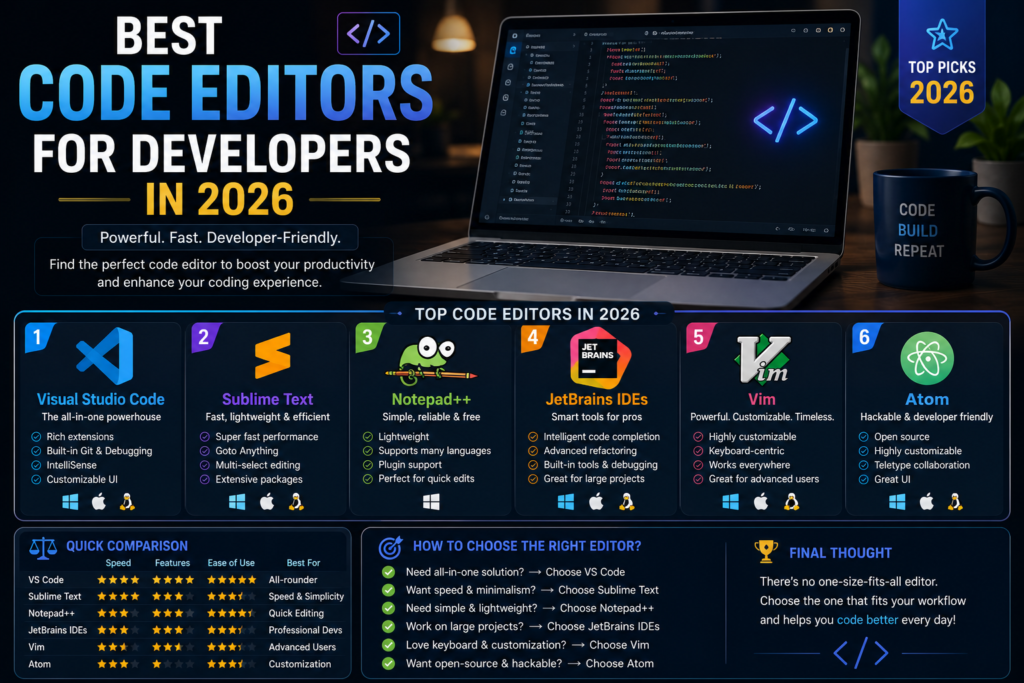
6. Atom (Community Forks)
Overview
Although the original Atom project was discontinued, community-maintained forks continue to provide a modern editing experience.
Key Features
- Git integration
- Custom themes
- Package ecosystem
- Modern interface
Pros
- Open-source
- Easy customization
- User-friendly interface
Cons
- Slower than VS Code
- Smaller community compared to its peak
Best For
Developers who enjoy open-source customization.
Real-World Testing Experience
Test Environment
- Windows 11
- Intel Core i5
- 16 GB RAM
- Web development project
- Python project
- Git repository
Results
Visual Studio Code
- Best overall experience
- Excellent extension support
- Smooth debugging workflow
Sublime Text
- Fastest startup time
- Excellent responsiveness
Notepad++
- Extremely lightweight
- Perfect for quick edits
Vim
- Very efficient after learning commands
- Outstanding terminal workflow
Emacs
- Powerful customization
- Strong productivity potential
Best Code Editor for Different Programming Languages
| Programming Language | Recommended Editor |
|---|
| JavaScript | VS Code |
| Python | VS Code |
| PHP | VS Code |
| HTML & CSS | VS Code |
| C++ | VS Code, Vim |
| Java | VS Code |
| Go | VS Code |
| Rust | VS Code, Vim |
VS Code vs Sublime Text
Choose VS Code If:
- You want built-in Git support.
- You need debugging tools.
- You rely on extensions.
- You are a beginner.
Choose Sublime Text If:
- You prioritize speed.
- You prefer a lightweight editor.
- You work on large files.
Which Code Editor Is Best for Beginners?
Visual Studio Code
VS Code is often considered the best editor for beginners because it provides:
- Easy setup
- Helpful code suggestions
- Extensive tutorials
- Large community support
Notepad++
Notepad++ is also a good option for users learning basic programming concepts.
Which Code Editor Is Best for Professionals?
Professional developers often prefer:
depending on their workflow and experience.
VS Code vs Sublime Text vs Notepad++: Which Editor Is Better?
Visual Studio Code, Sublime Text, and Notepad++ are among the most popular code editors available for developers. While all three can be used for coding, they target different types of users and development workflows.
Choosing the right editor depends on your experience level, project requirements, and preferred coding environment.
Visual Studio Code
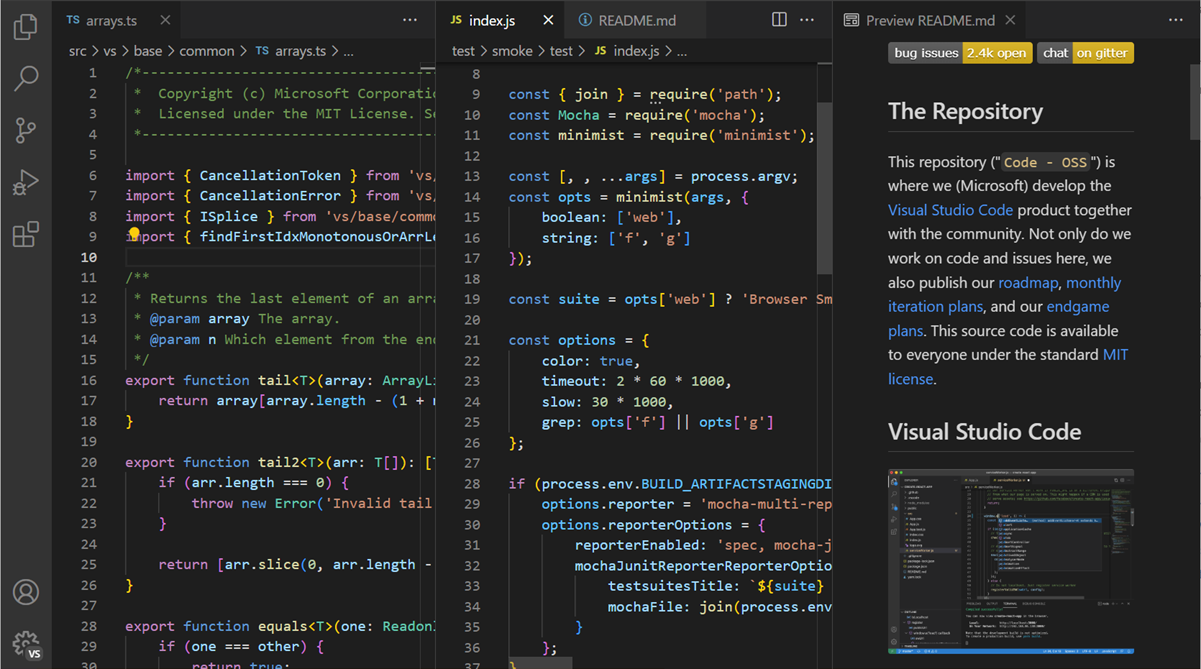
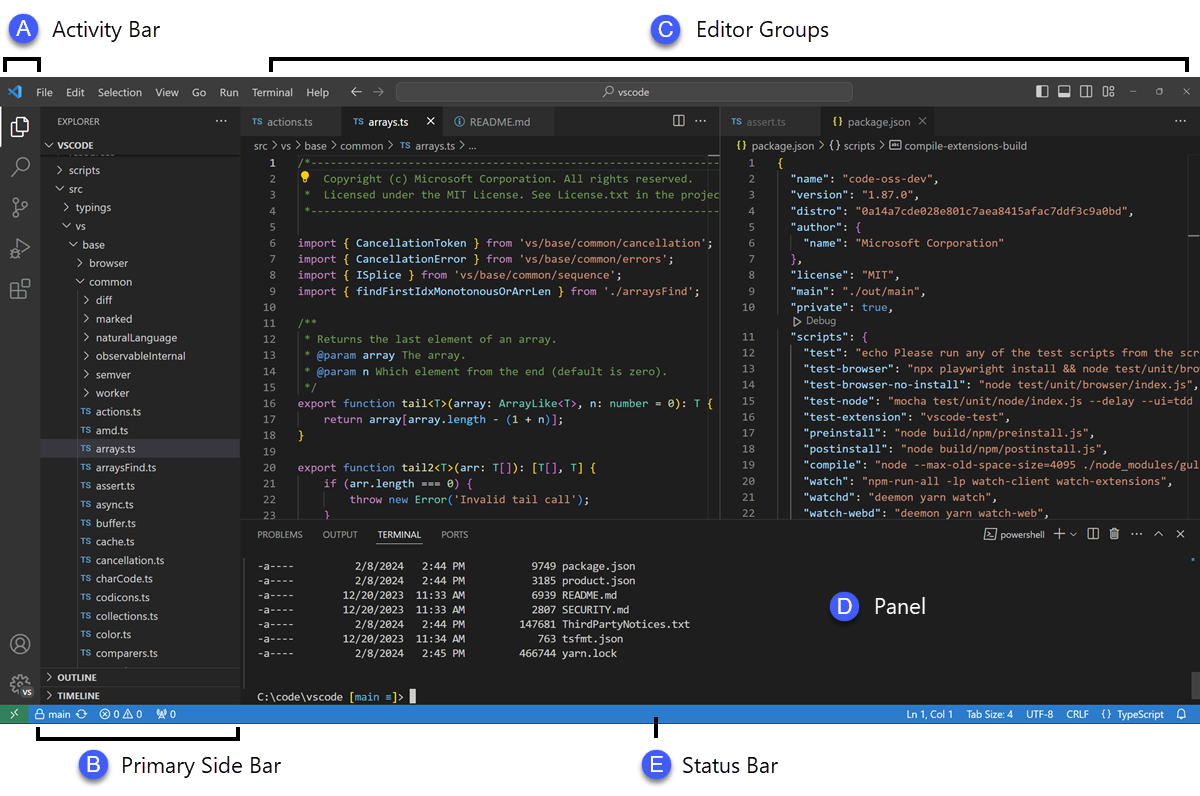
Visual Studio Code (VS Code) is currently one of the most widely used code editors in the development community.
Key Strengths
- Intelligent code completion
- Built-in Git integration
- Integrated terminal
- Debugging tools
- Large extension marketplace
- Multi-language support
Ideal Users
- Web developers
- Python developers
- Software engineers
- Students
- Professional developers
Advantages
- Free and regularly updated
- Extensive extension ecosystem
- Excellent community support
- Modern development workflow
Limitations
- Higher memory usage than lightweight editors
- Performance may decrease with excessive extensions
Sublime Text
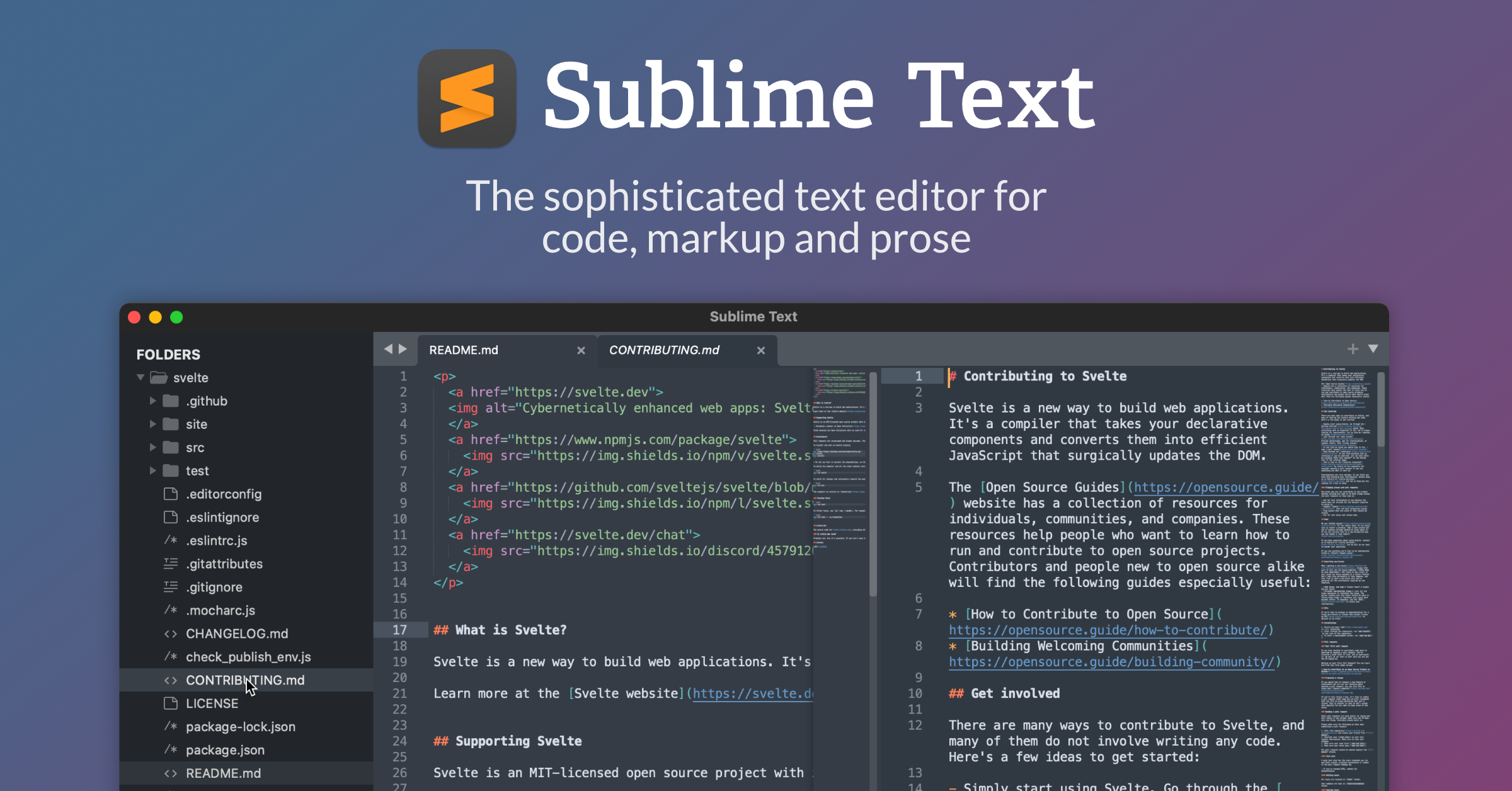
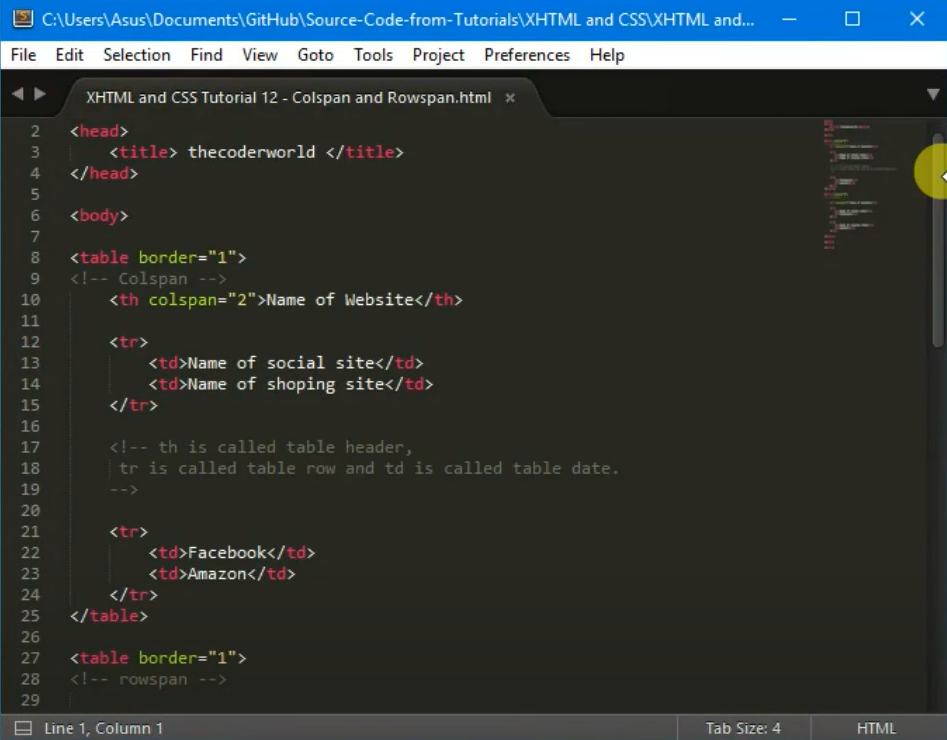
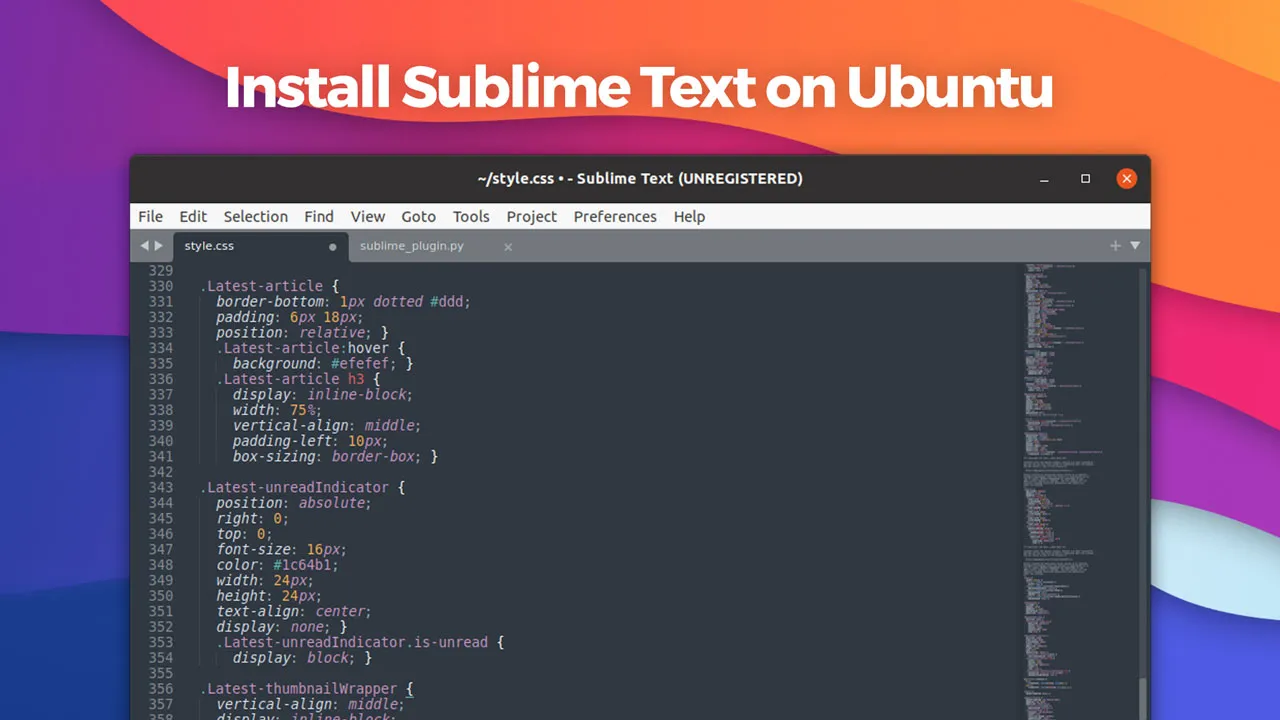
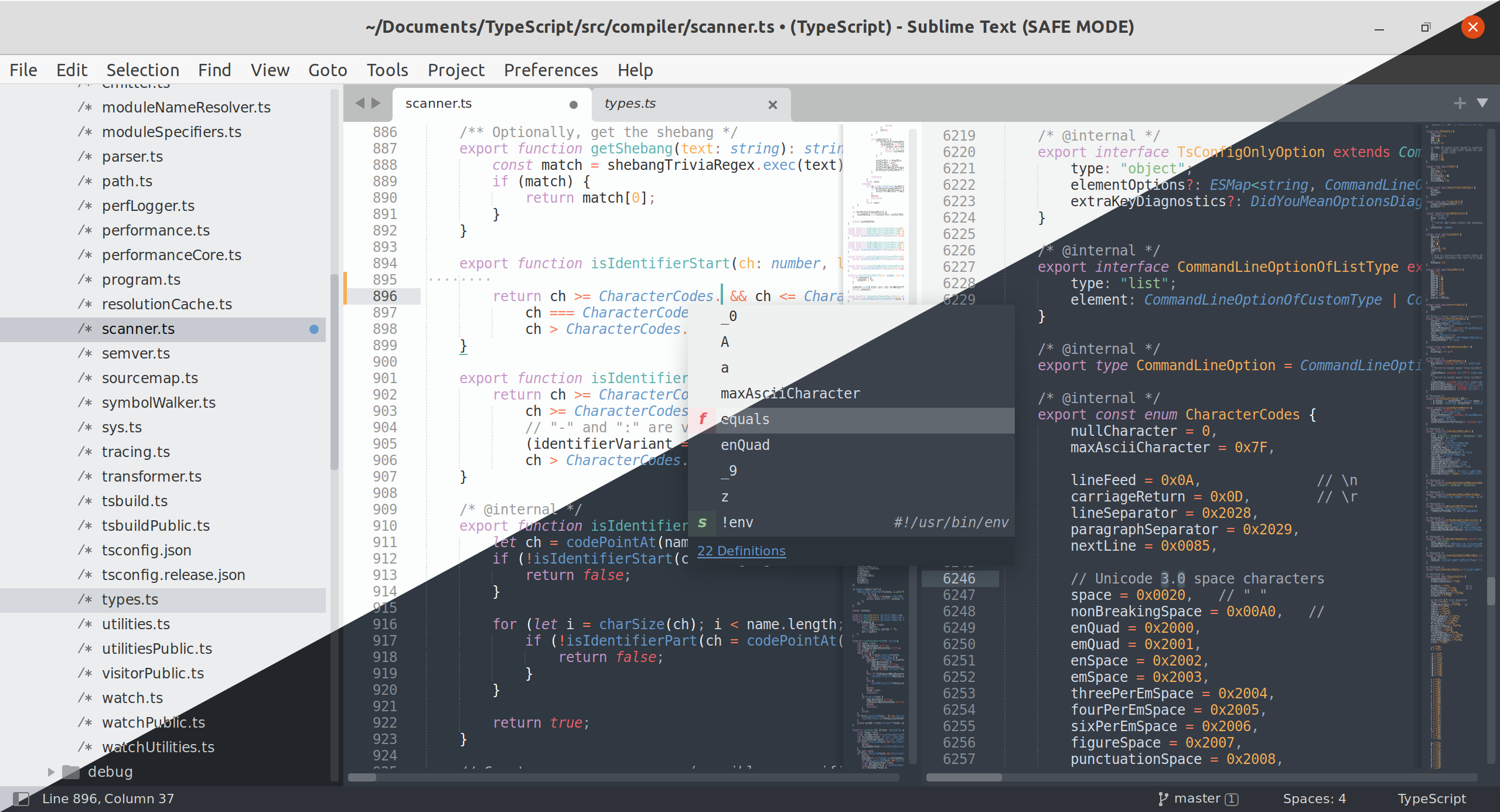
Sublime Text focuses on speed, simplicity, and responsiveness.
Key Strengths
- Fast startup
- Lightweight performance
- Multi-cursor editing
- Minimal user interface
Ideal Users
- Developers working on large files
- Users preferring lightweight software
- Experienced programmers
Advantages
- Extremely fast
- Clean interface
- Low resource consumption
Limitations
- Fewer built-in development tools
- Some functionality requires plugins
Notepad++
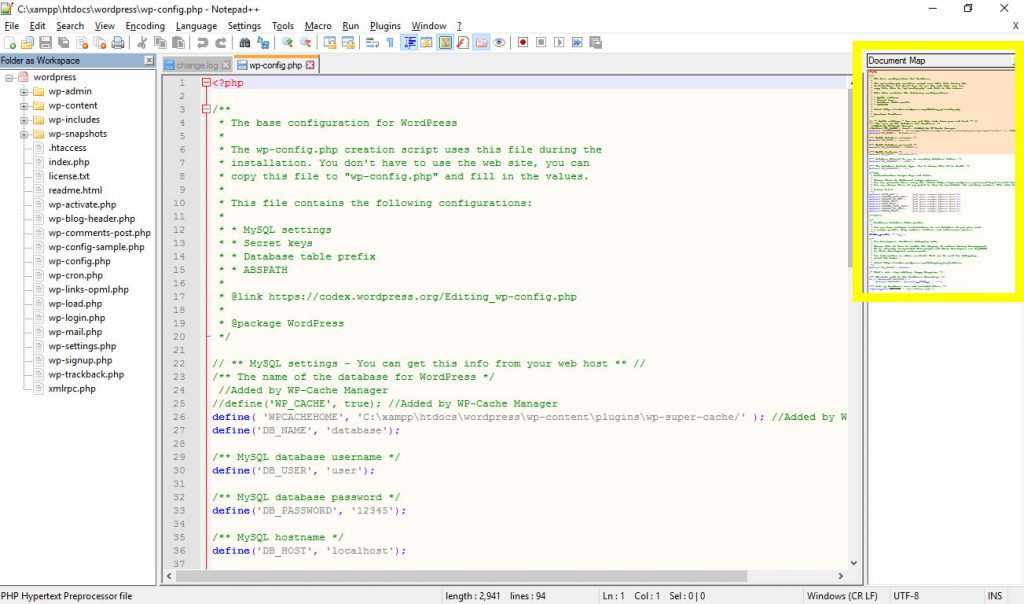
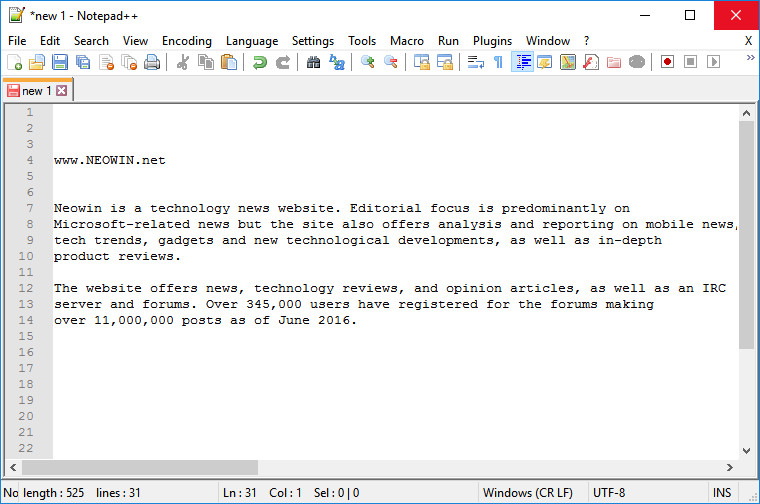
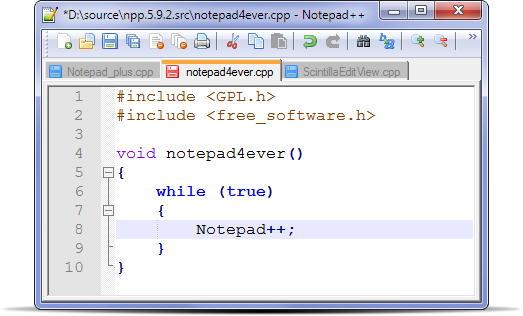
Notepad++ remains one of the most popular lightweight editors for Windows users.
Key Strengths
- Small installation size
- Fast performance
- Syntax highlighting
- Plugin support
Ideal Users
- Beginners
- Students learning programming
- Quick script editing
- Configuration file editing
Advantages
- Completely free
- Very lightweight
- Easy to learn
Limitations
- Windows-only
- Limited advanced development features
Feature Comparison Table
| Feature | VS Code | Sublime Text | Notepad++ |
|---|
| Price | Free | Limited Free | Free |
| Extensions | Excellent | Very Good | Good |
| Built-in Git | Yes | Limited | No |
| Debugging Tools | Yes | No | No |
| Integrated Terminal | Yes | No | No |
| Memory Usage | Higher | Moderate | Very Low |
| Beginner Friendly | Yes | Moderate | Yes |
| Large Project Support | Excellent | Excellent | Good |
Which One Should You Choose?
Choose VS Code If:
- You need a modern development environment.
- You work with multiple programming languages.
- You use Git frequently.
- You want debugging support.
- You need extensions and integrations.
Choose Sublime Text If:
- You prefer speed and simplicity.
- You work with very large files.
- You want a distraction-free coding experience.
Choose Notepad++ If:
- You are learning programming.
- You need a lightweight editor.
- You mainly edit scripts and configuration files.
Final Verdict
For most developers:
🏆 VS Code is the best overall choice.
For speed-focused users:
🏆 Sublime Text remains an excellent lightweight alternative.
For simple coding and editing tasks:
🏆 Notepad++ continues to be one of the best free Windows editors.
How to Choose the Right Code Editor for Your Development Workflow
Selecting a code editor is not just about features—it is about choosing a tool that fits your daily workflow and development goals.
The best editor for one developer may not be the best choice for another.
Consider Your Programming Language
Different editors offer varying levels of support for different languages.
Web Development
Recommended:
Popular languages:
- HTML
- CSS
- JavaScript
- TypeScript
- PHP
Python Development
Recommended:
Important features:
- Debugging
- Virtual environment support
- Code completion
C and C++ Development
Recommended:
Look for:
- Compiler integration
- Debugging support
- Syntax analysis
Consider Project Size
Small Projects
If you mainly work with:
- Configuration files
- Simple scripts
- Small websites
then lightweight editors such as Notepad++ may be sufficient.
Large Projects
For enterprise applications and large codebases, consider editors that provide:
- Git integration
- Debugging tools
- Extension support
- Project navigation
VS Code excels in these areas.
Consider System Resources
Older Computers
Recommended:
These editors consume minimal system resources.
Modern Computers
Recommended:
Modern systems can easily handle advanced editor features.
Consider Learning Curve
Beginner Developers
Look for editors with:
- Simple setup
- Helpful tutorials
- Large communities
- Easy customization
Best Choice:
🏆 VS Code
Advanced Developers
Experienced developers may prefer:
- Vim
- Emacs
- Customized workflows
These tools offer exceptional productivity after mastering them.
Consider Extension Availability
Extensions can dramatically improve development productivity.
Useful extension categories include:
- Code formatting
- Git integration
- AI coding assistants
- Debugging tools
- Language support
- Database management
VS Code currently offers one of the largest extension ecosystems.
Consider Team Collaboration
If you work with teams, choose editors that integrate well with:
- GitHub
- GitLab
- Bitbucket
- Cloud development tools
VS Code is particularly strong in collaborative environments.
Questions to Ask Before Choosing an Editor
Before selecting a code editor, ask yourself:
- Which programming language do I use most?
- Do I need debugging tools?
- Do I work on large projects?
- Is performance important?
- Do I need Git integration?
- How much customization do I want?
Your answers will help determine the best editor for your workflow.
Final Thoughts
There is no universal “best” code editor for every developer.
Best Overall
🏆 Visual Studio Code
Best Lightweight Option
🏆 Sublime Text
Best for Beginners
🏆 Visual Studio Code
Best for Low-End Systems
🏆 Notepad++
Best for Advanced Users
🏆 Vim
The ideal editor is the one that helps you write, manage, and maintain code efficiently while fitting naturally into your development workflow.
Frequently Asked Questions
What is the best free code editor?
Visual Studio Code is widely considered one of the best free code editors available today.
Is VS Code an IDE?
No. VS Code is technically a code editor, although its extensions allow it to function similarly to an IDE.
Is Sublime Text free?
Sublime Text can be used for free, but purchasing a license is encouraged.
Is Notepad++ good for programming?
Yes. It is excellent for lightweight coding tasks and quick edits.
Why do developers use Vim?
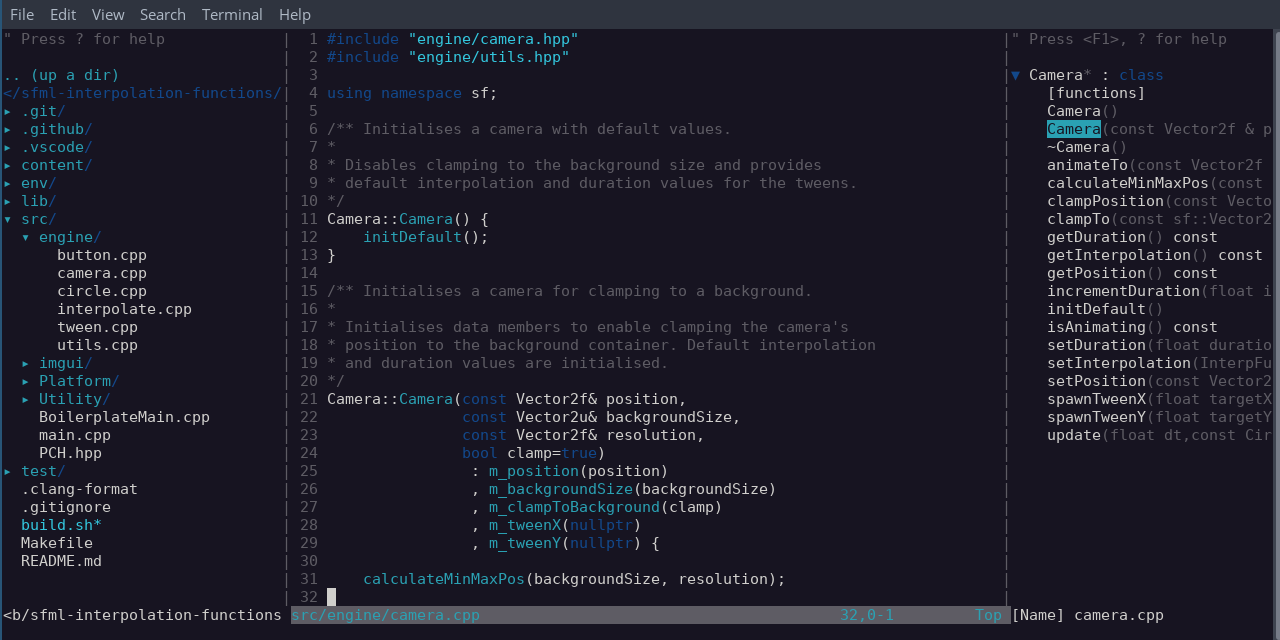
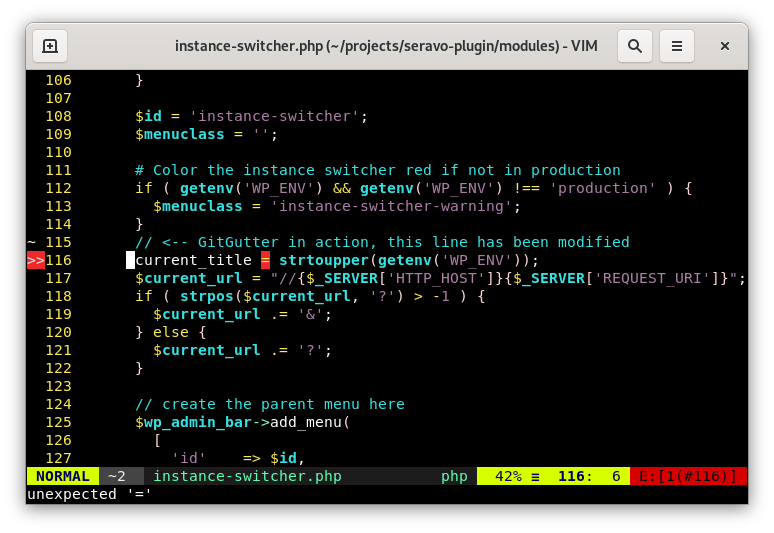
Vim provides extremely efficient keyboard-based workflows and performs well in terminal environments.
Which editor is best for Python?
Visual Studio Code is one of the most popular editors for Python development.
Which editor uses the least memory?
Notepad++ and Vim typically consume the fewest system resources.
Which code editor should I choose?
Beginners should start with VS Code, while advanced users may prefer Vim or Emacs.