KGB Archiver is designed to provide maximum file compression using advanced algorithms that prioritize size reduction over speed.
The software focuses on:
Users commonly use compression tools for:
Depending on the version, the software may support:
One major feature category is extreme compression mode.
Users can achieve:
but at the cost of:
Another important advantage is storage optimization because it can significantly reduce file sizes compared to standard compression tools.
However, the trade-off is performance, making it less practical for everyday workflows.
KGB Archiver is a file compression and archiving utility designed to compress files into extremely small archive sizes using advanced (but slow) compression algorithms.
The software is mainly known for its very high compression ratio, often achieving smaller file sizes than traditional ZIP or RAR tools, but at the cost of significantly slower compression speed.
It is commonly used for:
One of the biggest strengths of the software is maximum compression efficiency, making it useful when storage space is more important than speed.
It is commonly used by:
Compresses files into very small archive sizes using high-ratio algorithms.
Helps reduce disk usage for large file collections.
Useful for reducing file size before sharing or uploading.
Stores large datasets in compressed format.
Used for comparing compression efficiency against other tools.
It is mainly used for extremely high compression of files into very small archive sizes.
No, it is significantly slower due to heavy compression algorithms.
It mainly uses its own KGB format and supports basic archiving features.
Because it is very slow and resource-heavy compared to modern tools.
Yes, in many cases it achieves better compression than ZIP or RAR.
No, it is better suited for experimental or special compression needs.
✔️ Extreme compression ratio
✔️ File archiving support
✔️ High compression algorithms
✔️ Small output file sizes
✔️ Basic file extraction
✔️ Simple user interface
✔️ Encryption support (limited versions)
✔️ Batch compression support
✔️ Offline operation
✔️ Lightweight installation
✔️ High storage optimization
✔️ Experimental compression modes
✔️ Custom compression levels
✔️ Data backup support
KGB Archiver is an interesting and powerful compression tool focused on achieving extremely small file sizes.
Its biggest strength is:
This makes it useful for:
However, its biggest weakness is performance. The compression process is very slow and resource-heavy, which makes it impractical for everyday use.
In modern workflows, faster tools like 7-Zip or WinRAR are usually preferred.
Overall, KGB Archiver is best seen as a high-compression experimental tool rather than a daily file management solution.
Obtain KGB Archiver from a trusted source.
Run installer and complete setup.
Open the compression tool.
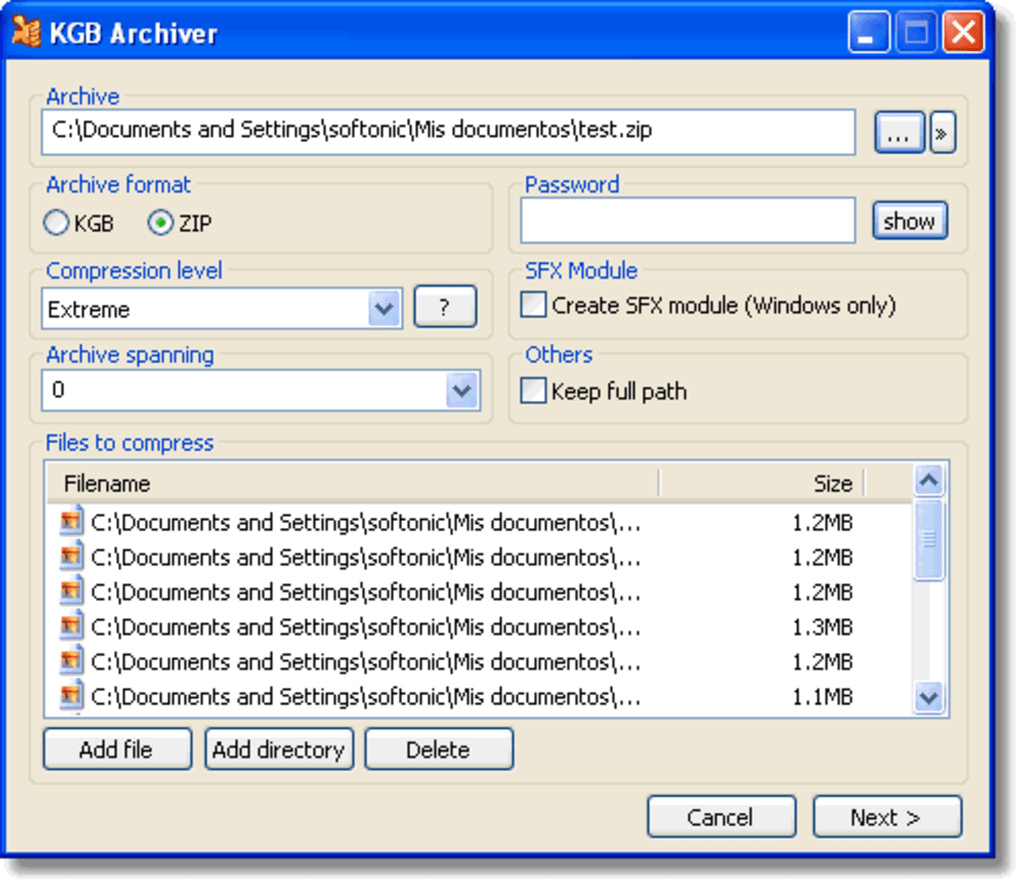
Choose files or folders to compress.
Select:
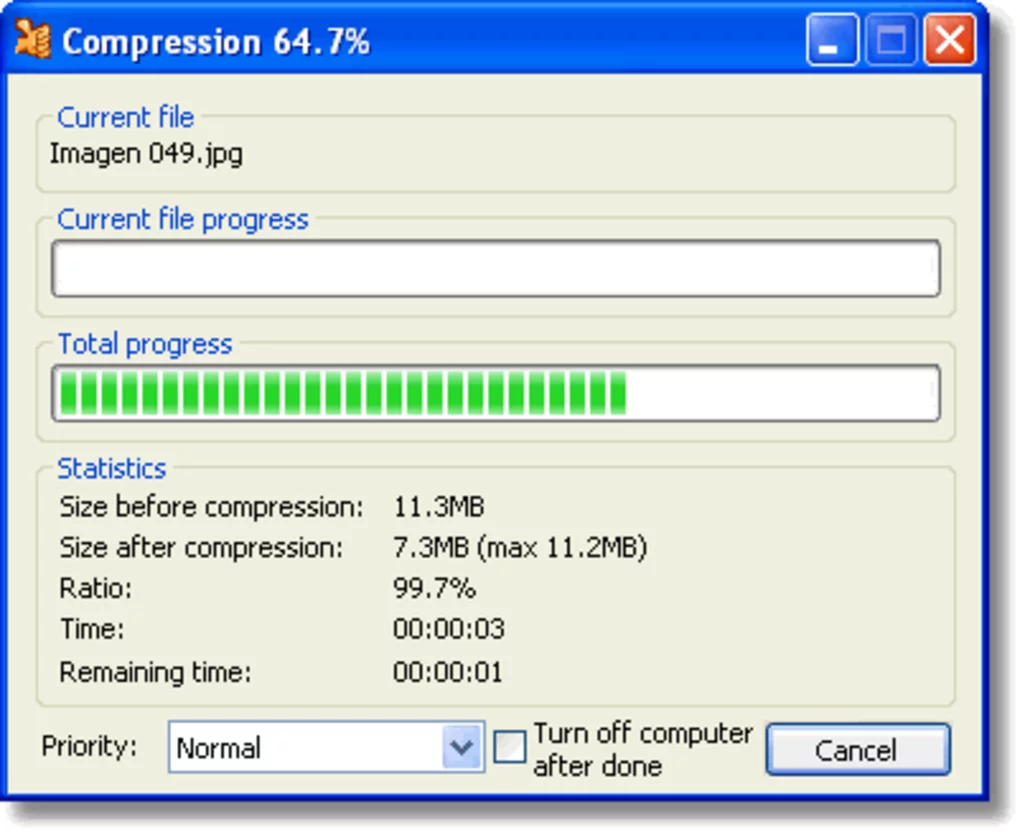
Begin archiving process (may take long time).
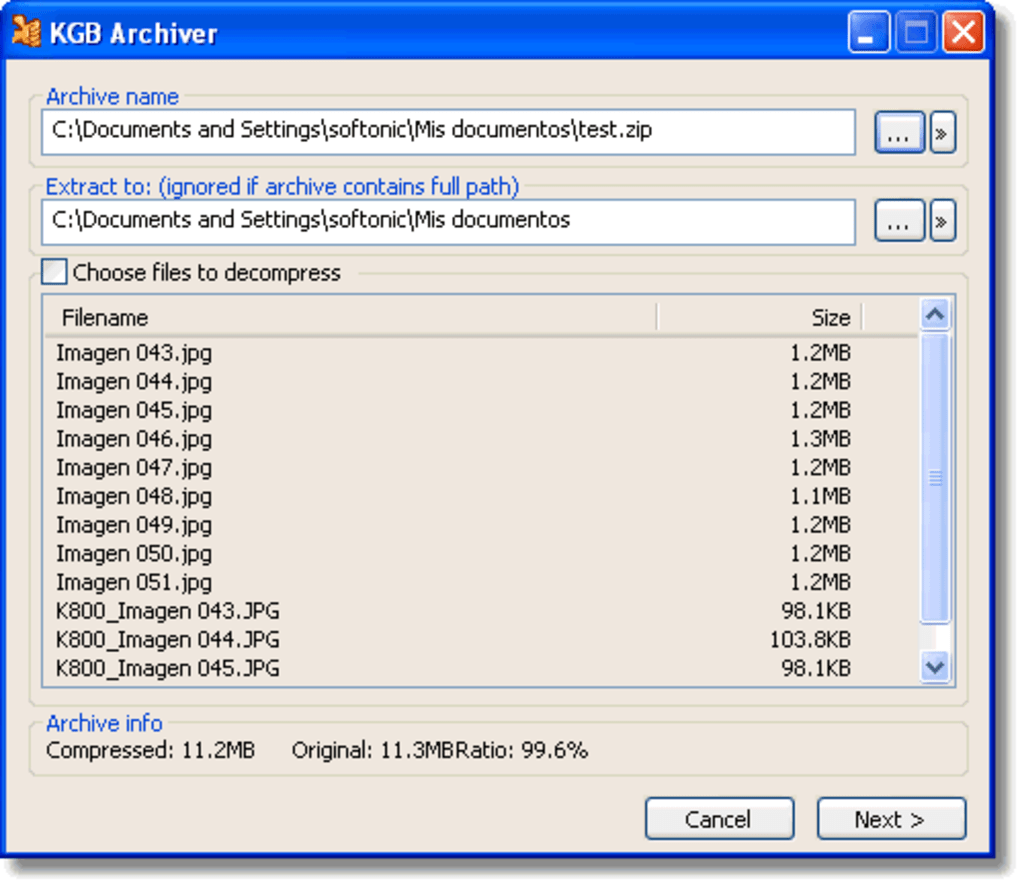
Use extraction option when needed.
This content is provided for educational and informational purposes only. We do not host, store, or distribute any software files on our servers. All trademarks, product names, and logos belong to their respective owners.
We strongly recommend downloading software only from official websites or trusted sources. We are not responsible for any damage, data loss, or issues that may occur from the use of third-party software.
Users should ensure they comply with all applicable laws and software licensing agreements in their country before downloading or using any software mentioned on this website.
Expore Apps