- Utilities & Tools
- File Managers
- WiFi QR Code Scanner

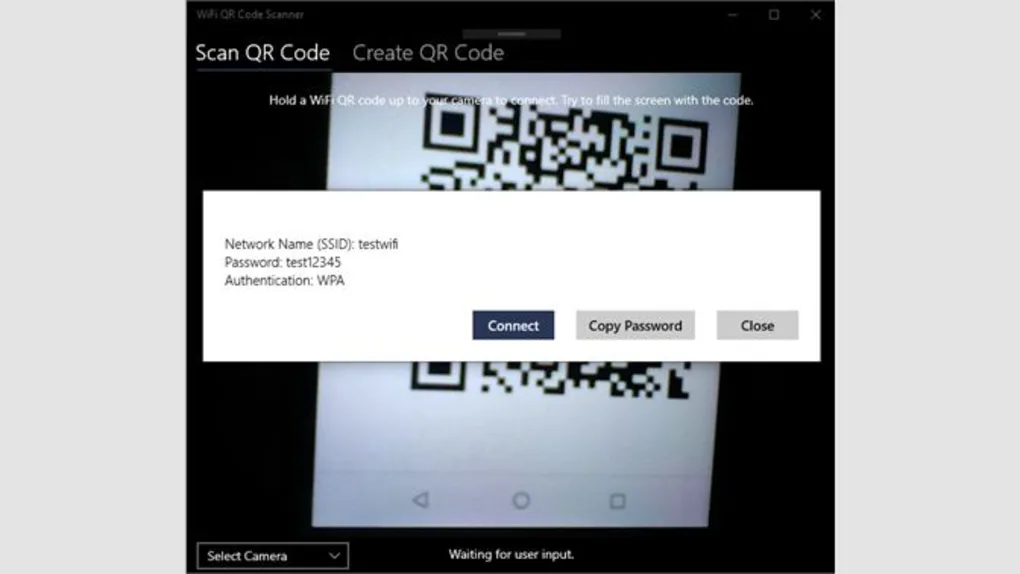
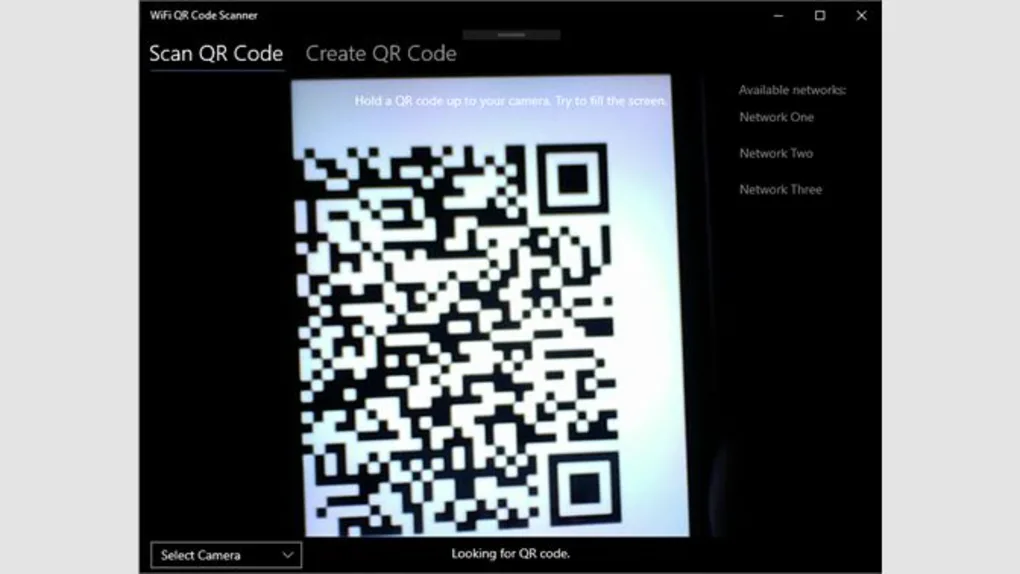
WiFi QR Code Scanner is a utility application designed to scan QR codes containing WiFi network information and automatically simplify the process of connecting devices to wireless networks.
The software is commonly used for quickly connecting smartphones, tablets, laptops, and other compatible devices to WiFi networks without manually typing SSIDs or passwords.
📌 What is WiFi QR Code Scanner?
WiFi QR Code Scanner is a wireless network utility designed to read QR codes that store WiFi connection information.
The software is commonly used for:
- WiFi QR scanning
- Wireless network sharing
- Automatic WiFi connection setup
- QR-based password sharing
- Mobile network configuration
- Guest network access workflows
One of the biggest strengths of WiFi QR scanning systems is convenience.
Instead of manually typing long WiFi passwords, users can simply scan a QR code to connect compatible devices.
The software is commonly used by:
- Home users
- Businesses
- Cafés
- Hotels
- Offices
- Schools
- Event organizers
Depending on the application and supported features, WiFi QR Code Scanner tools may include:
- QR code scanning
- Automatic WiFi detection
- Network profile recognition
- Saved network history
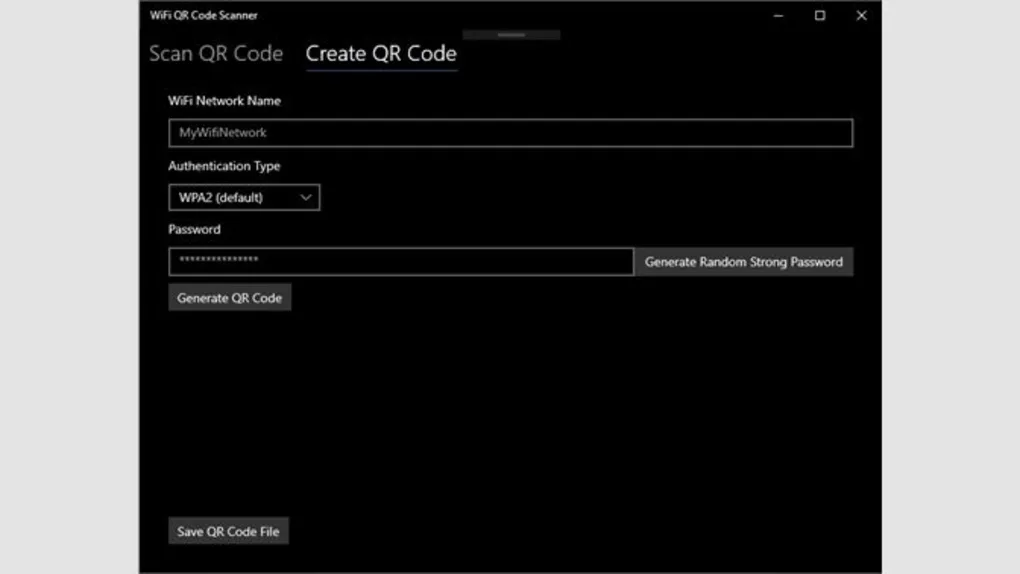
- QR code generation
- Camera-based scanning
- Guest network setup
- WPA/WPA2 recognition
- Hidden network support
- Mobile hotspot sharing
- Wireless credential parsing
- Quick-connect workflows
The QR codes typically contain information such as:
- WiFi network name (SSID)
- Security type
- Password
- Hidden network status
One major feature category is instant WiFi connection.
After scanning a compatible QR code, supported devices may automatically populate:
- Network credentials
- Security settings
- Connection details
Another important feature is QR code generation.
Some applications may allow users to create WiFi QR codes for:
- Guests
- Customers
- Employees
- Public access areas
WiFi QR systems are commonly used in environments such as:
- Coffee shops
- Restaurants
- Hotels
- Offices
- Educational institutions
- Smart homes
The software may work on:
- Android
- iOS
- Windows
- QR-enabled devices with camera support
One important advantage is reduced typing errors because users no longer need to manually enter complex passwords.
Another benefit is simplified guest access management for businesses and public locations.
However, users should understand several important considerations.
Scanning unknown QR codes may introduce security risks.
Malicious QR codes could potentially redirect users to:
- Fake websites
- Malicious network profiles
- Phishing pages
- Unsafe downloads
Users should therefore only scan trusted QR codes.
Another important consideration is WiFi security.
QR-based access does not replace strong wireless security practices.
Users should still maintain:
- Strong passwords
- WPA2 or WPA3 encryption
- Secure router configurations
- Guest network separation
Some older devices may also have compatibility limitations depending on:
- Camera support
- Operating system version
- QR parsing support
- Wireless hardware compatibility
Another important consideration involves public WiFi usage.
Even if QR connection setup is convenient, public wireless networks may still expose users to:
- Data interception risks
- Unsecured traffic
- Rogue hotspots
- Privacy concerns
Using VPN protection on public WiFi networks is often recommended.
Overall, WiFi QR Code Scanner acts as a wireless connectivity utility designed to simplify WiFi access through QR-based network sharing and automatic connection workflows.
💻 System Requirements (General)
Minimum Requirements
- Operating System:
Android / iOS / compatible desktop systems - Hardware:
Camera support for QR scanning - Connectivity:
WiFi adapter support - Permissions:
Camera and network permissions may be required
Recommended Requirements
- Operating System:
Updated mobile or desktop OS versions - Additional Recommendations:
- WPA2/WPA3 WiFi security
- Stable camera quality
- Updated wireless drivers
- Secure guest network configuration
🔄 Alternatives
Users commonly compare WiFi QR Code Scanner tools with:
- Google Lens
- QR & Barcode Scanner
- Kaspersky QR Scanner
- NeoReader
- QR Droid
❓ FAQ
Q1. What is WiFi QR Code Scanner mainly used for?
It is mainly used for connecting devices to WiFi networks through QR code scanning.
Q2. What information does a WiFi QR code contain?
It commonly contains:
- Network name
- Password
- Security type
- Hidden network settings
Q3. Can QR codes automatically connect devices to WiFi?
Yes, supported devices may automatically configure connection settings.
Q4. Is scanning unknown QR codes safe?
Users should only scan trusted QR codes because malicious codes may redirect users to unsafe destinations.
Q5. Does QR-based WiFi sharing replace strong security?
No, strong router passwords and WPA2/WPA3 security are still important.
Q6. Can businesses use WiFi QR systems for guests?
Yes, many cafés, hotels, and offices use QR-based guest WiFi access.
Q7. Do all devices support WiFi QR scanning?
No, compatibility depends on operating system support, camera functionality, and QR parsing capabilities.
🔄 Best Alternatives
Features
- ✔️ WiFi QR code scanning
- ✔️ Automatic network setup
- ✔️ Wireless credential detection
- ✔️ QR-based password sharing
- ✔️ Guest network workflows
- ✔️ Camera-based QR recognition
- ✔️ Saved network history
- ✔️ QR code generation support
- ✔️ WPA/WPA2 compatibility
- ✔️ Mobile hotspot sharing
- ✔️ Quick-connect workflows
- ✔️ Reduced password typing
- ✔️ Cross-platform compatibility
- ✔️ Beginner-friendly interface
- ✔️ Public WiFi support
👍 Pros & 👎 Cons
Pros
- Fast and convenient WiFi sharing
- Reduces password typing errors
- Simplifies guest access
- Beginner-friendly operation
- Useful for businesses and public locations
- QR generation improves sharing workflows
- Works well for mobile devices
- Quick wireless setup process
Cons
- Unknown QR codes may pose security risks
- Public WiFi still carries privacy concerns
- Some devices may have compatibility limitations
- Requires camera permissions
- Older systems may not support automatic connection
- Malicious QR redirects are possible
- Network security still depends on router configuration
Expert Review
In my opinion, WiFi QR Code Scanner tools became popular because they dramatically simplify wireless network sharing compared to manually typing long passwords.
One of the biggest strengths is convenience. Users can connect devices in seconds without needing to remember or type complex credentials.
QR-based WiFi sharing is especially useful in:
- Cafés
- Offices
- Hotels
- Smart homes
- Educational environments
where many guests require quick internet access.
Another major advantage is reduced setup errors because QR scanning automatically transfers connection details.
However, users should still remain cautious about security.
Scanning untrusted QR codes can introduce risks involving:
- Phishing redirects
- Malicious websites
- Fake network profiles
- Unsafe downloads
Another important point is that QR convenience does not replace proper wireless security practices.
Users should still maintain:
- Strong WiFi passwords
- WPA2 or WPA3 encryption
- Guest network separation
- Updated router firmware
For home users, businesses, and public environments wanting faster wireless onboarding and simplified guest access, WiFi QR Code Scanner tools can be practical and highly convenient connectivity solutions.
How to Install
⚙️ Installation Guide (General Overview)
Step 1: Install the Application
Download the scanner utility from a trusted source.
Step 2: Grant Camera Permissions
Allow QR scanning access.
Step 3: Open the Scanner Interface
Launch the QR scanning tool.
Step 4: Scan the WiFi QR Code
Point the camera at the QR code.
Step 5: Verify Network Information
Review:
- Network name
- Security type
- Connection request
Step 6: Connect to the Network
Allow the device to join the WiFi network.
Step 7: Save Network if Needed
Store the connection profile for future access.
Step 8: Generate QR Codes (Optional)
Create QR codes for sharing WiFi credentials.
Step 9: Use Guest Networks When Appropriate
Separate public users from private devices.
Step 10: Maintain Network Security
Use strong router passwords and updated encryption.
Apps Specs
Licence
Free
Latest Update
June 24, 2026
Platform
Windows
Downloads
Devlopers
Top Downloads





Related Topics
Disclaimer
This content is provided for educational and informational purposes only. We do not host, store, or distribute any software files on our servers. All trademarks, product names, and logos belong to their respective owners.
We strongly recommend downloading software only from official websites or trusted sources. We are not responsible for any damage, data loss, or issues that may occur from the use of third-party software.
Users should ensure they comply with all applicable laws and software licensing agreements in their country before downloading or using any software mentioned on this website.
You may also like





Alternatives to




Expore Apps