- Utilities & Tools
- Clocks & Alarms For Windows
- Music Alarm Clock
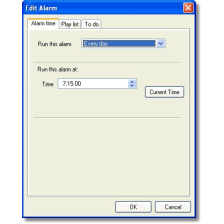
Music Alarm Clock is designed to improve wake-up experiences by replacing standard alarm tones with personalized music playback.
The software focuses on:
- Music-based alarm customization
- Routine scheduling
- Personalized wake-up experiences
- Simple alarm management
Users commonly use music alarm tools for:
- Daily wake-up routines
- Study schedules
- Fitness routines
- Work reminders
- Sleep cycle management
- Productivity planning
Depending on the version, the software may support:
- Custom music selection
- Playlist alarms
- Repeat scheduling
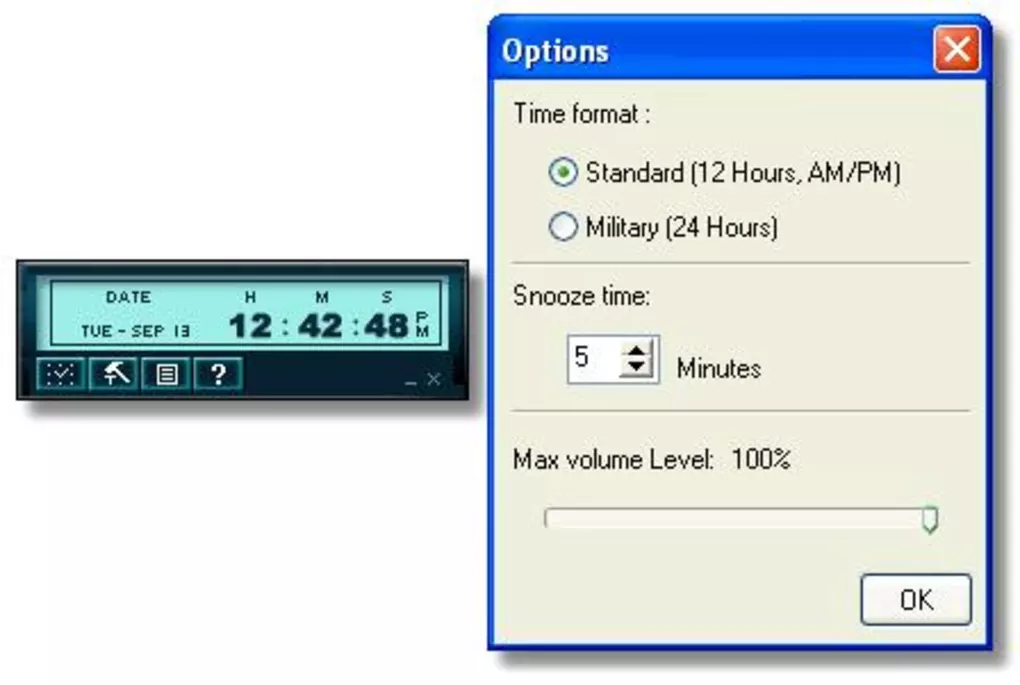
- Snooze functionality
- Volume fade-in alarms
- Multiple alarm profiles
- Notification alerts
- Background operation
One major feature category is personalized alarm audio.
Users can set:
- Favorite songs
- Calm wake-up music
- High-volume wake-up tracks
- Playlist-based alarms
to make waking up more effective and enjoyable.
Another important advantage is improved wake-up consistency because music-based alarms are often more engaging than standard tones.
The software is especially practical for users who want a more personalized and flexible alarm experience.
📌 What is Music Alarm Clock?
Music Alarm Clock is a desktop and mobile alarm utility designed to wake users up using custom music, playlists, and audio tracks instead of standard alarm tones.
The software is commonly used for:
- Music-based alarms
- Wake-up scheduling
- Playlist alarm setup
- Personalized reminders
- Sleep and routine management
- Productivity workflows
Users can choose songs, playlists, or audio files as alarm sounds to create a more personalized and pleasant wake-up experience.
One of the biggest strengths of the software is customizable audio alarms, allowing users to wake up with their favorite music instead of default ringtones.
It is commonly used by:
- Students
- Office users
- Home users
- Music lovers
- Productivity-focused users
- Heavy sleepers
because it makes waking up more engaging and customizable.
🚀 Key Uses
🎵 Music-Based Wake-Up
Used to wake users up with selected songs or playlists.
⏰ Alarm Scheduling
Supports setting multiple alarms for daily routines.
🎧 Personalized Audio Experience
Allows selection of custom music files as alarm tones.
💼 Productivity Routines
Useful for study schedules, work routines, and reminders.
🌙 Sleep & Wake Management
Helps regulate sleep cycles with consistent alarms.
💻 System Requirements (General)
Minimum Requirements
- Operating System: Windows 7 / 8 / 10 / 11 (or Android depending on version)
- RAM: 2GB minimum
- Storage: Small installation size + music storage
- Processor: Intel or AMD compatible CPU
Recommended Requirements
- RAM: 4GB or more
- Storage: SSD recommended + music library space
- Additional Recommendations:
- Headphones or speakers
- Updated audio drivers
- Stable system clock
🔄 Alternatives
- Alarm Clock Pro
- Free Alarm Clock
- ClockWise
- KM Wakeup
- Google Clock (mobile)
- Sleep Cycle
❓ FAQ
Q1. What is Music Alarm Clock mainly used for?
It is mainly used for setting alarms that play music instead of default alarm sounds.
Q2. Can I use my own songs as alarms?
Yes, users can typically select personal music files or playlists.
Q3. Does it support multiple alarms?
Yes, multiple alarms can usually be configured for different schedules.
Q4. Is it useful for heavy sleepers?
Yes, louder music-based alarms are often more effective for deep sleepers.
Q5. Can it help with productivity?
Yes, it helps maintain routines for study, work, and daily tasks.
Q6. Does it require internet?
No, most music alarm features work offline using local audio files.
Features
✔️ Music-based alarm support
✔️ Custom audio file selection
✔️ Playlist alarm functionality
✔️ Multiple alarm scheduling
✔️ Snooze option support
✔️ Volume control & fade-in effects
✔️ Background alarm operation
✔️ Simple user interface
✔️ Offline audio support
✔️ Productivity routine support
✔️ Repeat alarm scheduling
✔️ Notification alerts
✔️ Lightweight performance
✔️ Beginner-friendly setup
👍 Pros & 👎 Cons
Pros
- Highly customizable alarm sounds
- Better wake-up experience than default alarms
- Supports personal music library
- Useful for routine building
- Easy to use interface
- Works offline
Cons
- Requires local music files for full use
- Limited advanced productivity features
- Can be disruptive if misconfigured volume
- Some versions may lack cloud sync
- Mostly focused only on alarm functionality
Our Analysis
Music Alarm Clock is a practical and enjoyable utility for users who prefer waking up with personalized music instead of traditional alarm sounds.
Its biggest strengths are:
- Custom music alarm support
- Simple setup process
- Better wake-up experience
- Useful for routine building
This makes it especially useful for:
- Students
- Office workers
- Music lovers
- Heavy sleepers
- Productivity-focused users
The software works well for improving daily wake-up routines and making alarms less stressful and more personalized.
However, users should ensure proper volume settings to avoid oversleeping or overly loud alarms.
Overall, Music Alarm Clock is a useful and flexible solution for music-based alarms, personalized wake-up routines, and basic time management workflows.
⚙️ Installation Guide (General Overview)
Step 1: Download Software
Obtain Music Alarm Clock from a trusted source.
Step 2: Install Application
Run setup and complete installation.
Step 3: Open Application
Launch the alarm clock tool.
Step 4: Add Music Files
Select:
- Songs
- Playlists
- Audio files
Step 5: Set Alarm Time
Configure:
- Wake-up time
- Repeat schedule
- Alarm name
Step 6: Configure Sound Settings
Adjust:
- Volume
- Fade-in effect
- Playback mode
Step 7: Save Settings
Activate alarm configuration.
About SoftwareDownloading Editorial Team
The SoftwareDownloading Editorial Team researches Windows software, compatibility information, features, alternatives, and software-related guides for SoftwareDownloading.in.
Our pages are prepared using available product information and relevant documentation. When an application has not been personally tested, we distinguish research-based analysis from hands-on testing. Learn more about our review process
Apps Specs
Developer
Licence
Trial
Version
3.12
Platform
Windows
Download Clicks
2
Page Reviewed
September 26, 2026
Top Downloads


Related Topics
Disclaimer
This content is provided for educational and informational purposes only. We do not host, store, or distribute any software files on our servers. All trademarks, product names, and logos belong to their respective owners.
We strongly recommend downloading software only from official websites or trusted sources. We are not responsible for any damage, data loss, or issues that may occur from the use of third-party software.
Users should ensure they comply with all applicable laws and software licensing agreements in their country before downloading or using any software mentioned on this website.