Syncovery is designed to simplify file synchronization and backup management for personal, professional, and business environments.
It helps users:
- Protect important files
- Automate backup workflows
- Synchronize data across devices
- Improve storage organization
- Manage disaster recovery plans
- Enhance data security
The software is commonly popular among:
- Businesses
- IT professionals
- Backup administrators
- Remote workers
- Home users
- Productivity-focused users
Depending on the version, users may get:
- File synchronization tools
- Automated backup support
- Cloud storage integration
- Workflow scheduling functionality
- Secure data transfer features
- Multi-device synchronization
- Storage management assistance
📌 What is Syncovery?
Syncovery is a file synchronization and backup software designed to help users back up data, synchronize files across devices, automate transfers, and protect important information efficiently.
The software helps users:
- Synchronize files
- Create backups
- Protect important data
- Automate file transfers
- Manage storage locations
- Improve data security
It is commonly used by:
- Businesses
- IT professionals
- Home users
- Backup administrators
- Remote workers
- Productivity-focused users
The application mainly focuses on:
- File synchronization
- Data backup
- Storage management
- Workflow automation
- Data protection
🚀 Key Uses
- File synchronization
- Automatic data backup
- Cloud storage management
- External drive backup
- Server synchronization
- Data migration
- Workflow automation
- Secure file management
- Disaster recovery support
- Multi-device file transfer
💻 System Requirements (General)
Supported Platforms
- Microsoft Windows
- macOS
- Linux
Basic Requirements
- 2GB RAM minimum
- Basic processor
- Storage space for backups
- Internet connection for cloud synchronization
- Compatible operating system
Recommended Requirements
- 4GB+ RAM
- SSD storage
- Stable high-speed internet
- Large backup storage capacity
- Updated operating system
🔄 Alternatives
- FreeFileSync
- GoodSync
- Acronis Cyber Protect Home Office
- EaseUS Todo Backup
- SyncBack
- Resilio Sync
- Carbonite
❓ FAQ
Q1. What is Syncovery used for?
It is used for file synchronization, data backup, and automated file transfer management.
Q2. Can Syncovery back up files automatically?
Yes, it supports scheduled and automated backup tasks.
Q3. Is Syncovery suitable for businesses?
Yes, businesses and IT professionals can use it for secure data protection and synchronization workflows.
Q4. Does Syncovery support cloud storage?
Yes, depending on the version, it may support cloud storage synchronization and backup services.
Q5. Is Syncovery beginner-friendly?
It provides many advanced features, so beginners may need some setup time, but it offers flexible backup management tools.
🔄 Best Alternatives
Features
✔ File synchronization support
✔ Automated backup functionality
✔ Cloud storage integration
✔ Workflow scheduling tools
✔ Secure data transfer support
✔ Multi-device synchronization
✔ Backup automation assistance
✔ User-friendly management interface
✔ External drive backup support
✔ Disaster recovery functionality
✔ Storage management tools
✔ Business data protection support
👍 Pros & 👎 Cons
Pros
- Powerful file synchronization features
- Flexible backup automation
- Supports multiple storage locations
- Useful for businesses and IT users
- Cross-platform compatibility
- Helpful disaster recovery support
Cons
- Advanced settings may feel complex for beginners
- Some premium features require paid versions
- Initial setup may take time
- Large backup operations may use significant system resources
- Interface may feel technical for casual users
Expert Review
Syncovery is a practical backup and synchronization solution for users needing advanced file management and automated data protection tools.
Its strongest advantages are:
- Powerful synchronization capabilities
- Flexible backup automation
- Multi-platform compatibility
- Strong data management support
It is especially useful for businesses, IT professionals, backup administrators, and advanced users managing large-scale file synchronization and data protection workflows.
However, users looking for extremely simple backup tools with minimal configuration may prefer beginner-focused backup solutions.
How to Install
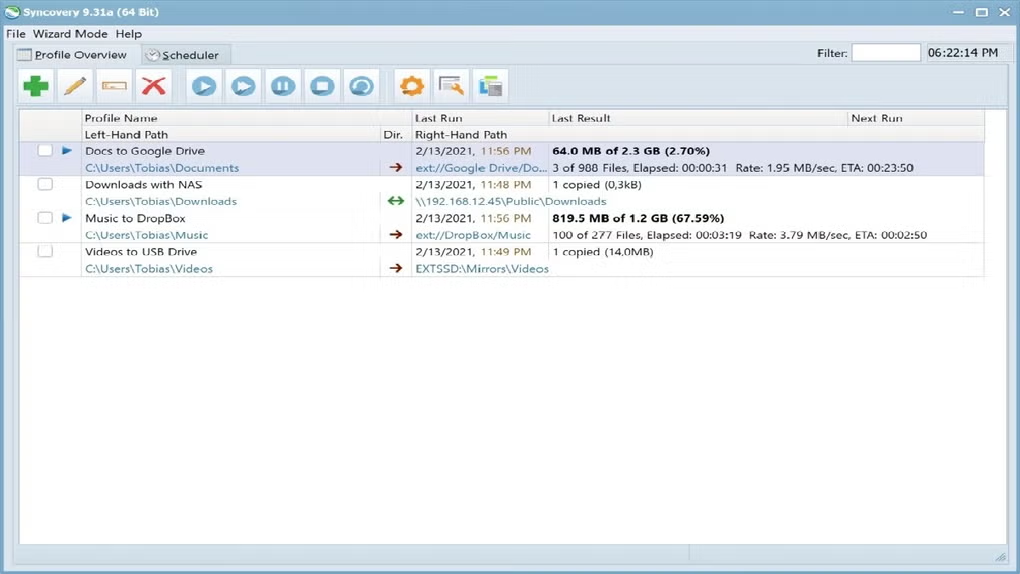
⚙️ Usage Guide (General Overview)
Step 1: Install Software
Install Syncovery on your computer or server.
Step 2: Create Backup or Sync Profile
Set up synchronization or backup tasks.
Step 3: Select Source and Destination
Choose files, folders, drives, or cloud storage locations.
Step 4: Configure Automation Settings
Adjust scheduling, filtering, and synchronization preferences.
Step 5: Run Synchronization or Backup
Start the file transfer or backup operation.
Step 6: Monitor Backup Status
Review logs, reports, and synchronization results.
Step 7: Continue Data Protection Management
Use the software regularly for backup maintenance and file synchronization.
Apps Specs
Licence
Paid
Latest Update
June 24, 2026
Platform
Windows
Downloads
Devlopers
Releted Searches
Top Downloads
Disclaimer
This content is provided for educational and informational purposes only. We do not host, store, or distribute any software files on our servers. All trademarks, product names, and logos belong to their respective owners.
We strongly recommend downloading software only from official websites or trusted sources. We are not responsible for any damage, data loss, or issues that may occur from the use of third-party software.
Users should ensure they comply with all applicable laws and software licensing agreements in their country before downloading or using any software mentioned on this website.
You may also like
Alternatives to
Expore Apps