- Business & Productivity
- Document & Management
- Windows Notepad

Windows Notepad is designed to provide simple and lightweight text editing functionality without complex formatting tools.
The application helps users:
- Create plain text documents
- Quickly edit files
- Open configuration and log files
- Write small scripts or code snippets
- Store temporary notes and information
- Perform lightweight editing tasks
It is commonly used in:
- Everyday note-taking
- Programming and scripting workflows
- System administration tasks
- Educational environments
- Basic text document editing
- Quick offline writing tasks
Depending on the Windows version, users may gain access to:
- Dark mode support
- Tabs and multi-document editing
- Improved search and replace tools
- Unicode and UTF text support
- Auto-save and session recovery features
- Lightweight text rendering performance
One major advantage of Windows Notepad is simplicity because it launches quickly and consumes very few system resources.
The software is especially useful for:
- Students
- Programmers
- System administrators
- Office users
- Writers
- General computer users
who need a fast and lightweight text editor.
📌 What is Windows Notepad?
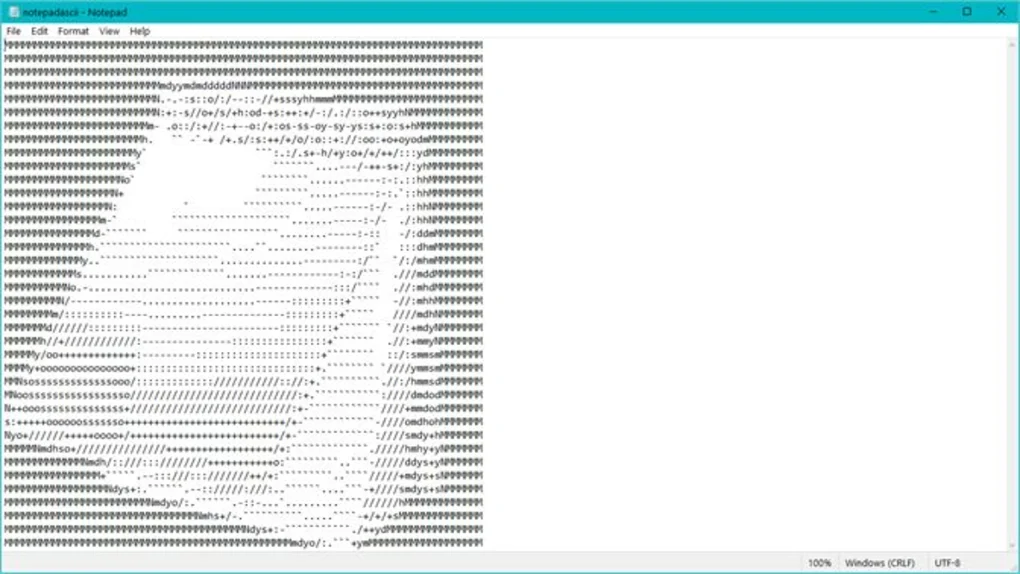
Windows Notepad is a lightweight text editing application developed by Microsoft and included with the Microsoft Windows operating system.
It is commonly used for:
- Writing plain text documents
- Editing code and scripts
- Creating notes and reminders
- Viewing text-based files
- Quick document editing
- Simple programming tasks
Windows Notepad is known for its fast startup speed, minimal interface, and ease of use.
🚀 Key Uses
- Creating and editing plain text files
- Writing notes and reminders
- Editing configuration and system files
- Basic coding and scripting
- Viewing TXT, LOG, and configuration files
- Lightweight document editing
- Quick copy-paste text management
- HTML and CSS editing
- Temporary text storage
- Simple offline text editing workflows
💻 System Requirements (General)
Minimum Requirements
- Microsoft Windows operating system
- Basic computer hardware
- Minimal RAM and storage usage
- Standard keyboard and display support
Recommended Requirements
- Windows 10 or Windows 11
- Updated operating system version
- SSD storage for faster responsiveness
- Modern desktop or laptop environment
🔄 Alternatives
- Notepad++
- Visual Studio Code
- Sublime Text
- Atom
- Vim
- UltraEdit
- Brackets
❓ FAQ
Q1. What is Windows Notepad used for?
It is used for plain text editing, note-taking, coding, and quick document creation.
Q2. Is Windows Notepad free?
Yes, it is included free with Microsoft Windows.
Q3. Can Notepad edit programming files?
Yes, it can edit scripts, HTML, CSS, batch files, and other text-based code files.
Q4. Does Notepad support rich text formatting?
No, it mainly supports plain text editing only.
Q5. Is Windows Notepad beginner-friendly?
Yes, it is one of the simplest text editors available.
🔄 Best Alternatives
Features
✔ Lightweight text editing
✔ Plain text document support
✔ Fast startup and low resource usage
✔ Basic search and replace functionality
✔ UTF and Unicode text support
✔ Simple coding and scripting support
✔ Quick note-taking workflows
✔ TXT and LOG file editing
✔ Minimal and beginner-friendly interface
✔ Offline document editing
✔ Clipboard and copy-paste support
✔ Multi-tab support in newer versions
✔ Auto-save support in modern versions
✔ Built-in Windows integration
👍 Pros & 👎 Cons
Pros
- Extremely lightweight and fast
- Very easy to use
- Included free with Windows
- Useful for coding and plain text editing
- Minimal system resource usage
- Perfect for quick editing tasks
Cons
- Limited formatting capabilities
- Advanced coding features are not included
- No rich text editing support
- Limited plugin and customization options
- Large projects are better handled in advanced editors
Expert Review
Windows Notepad remains one of the most useful lightweight text editors for everyday computing tasks.
Its strongest advantages are:
- Extremely fast performance
- Minimal interface
- Beginner-friendly usability
- Lightweight system footprint
The application is especially valuable for quick notes, configuration editing, simple coding tasks, and lightweight document management.
While professional developers may prefer advanced editors like Visual Studio Code or Notepad++, Windows Notepad continues to be excellent for quick and distraction-free text editing.
Overall, it is a simple and lightweight text editor for note-taking, coding, configuration editing, and everyday plain text document workflows.
How to Install
⚙️ Installation Guide (General Overview)
Step 1: Open Windows Search
Search for:
- Notepad
- Windows Notepad
Step 2: Launch Application
Open Windows Notepad from Start Menu.
Step 3: Create or Open Text File
Use:
- New document
- Open existing TXT file
- Edit scripts or notes
Step 4: Start Editing Text
Write or modify:
- Notes
- Code snippets
- Configuration files
- Plain text documents
Step 5: Use Search and Replace
Quickly find or modify text content.
Step 6: Save File
Save document using:
- TXT format
- HTML
- CSS
- BAT
- LOG
- Other text-based extensions
Step 7: Configure View Preferences
Adjust:
- Font size
- Word wrap
- Dark mode (if supported)
Step 8: Continue Editing or Exporting
Use text files in other applications if needed.
Apps Specs
Licence
Free
Latest Update
June 24, 2026
Platform
Windows
Downloads
3
Devlopers
Top Downloads


Disclaimer
This content is provided for educational and informational purposes only. We do not host, store, or distribute any software files on our servers. All trademarks, product names, and logos belong to their respective owners.
We strongly recommend downloading software only from official websites or trusted sources. We are not responsible for any damage, data loss, or issues that may occur from the use of third-party software.
Users should ensure they comply with all applicable laws and software licensing agreements in their country before downloading or using any software mentioned on this website.
You may also like





Alternatives to


Expore Apps