- Development & IT
- IDEs/Source Editors
- Intel® XDK
Intel XDK was designed to simplify cross-platform mobile app development by allowing developers to create mobile applications using familiar web technologies instead of platform-specific native programming languages.
It helps users:
- Build apps quickly
- Reuse web development skills
- Simplify hybrid app deployment
- Test applications across platforms
- Learn mobile development basics
- Improve rapid prototyping workflows
The software was commonly popular among:
- Web developers
- Beginner mobile developers
- Hybrid app creators
- Students
- Indie developers
- Prototype-focused teams
Depending on usage, users could get:
- HTML5 app development tools
- Mobile app packaging workflows
- Cross-platform deployment support
- Device testing utilities
- Cordova integration
- Lightweight mobile IDE features
📌 What is Intel® XDK?
Intel XDK is a cross-platform mobile application development environment created for building, testing, and deploying HTML5-based mobile apps for Android, iOS, and other platforms using web technologies.
The software helps users:
- Develop mobile applications
- Build HTML5 apps
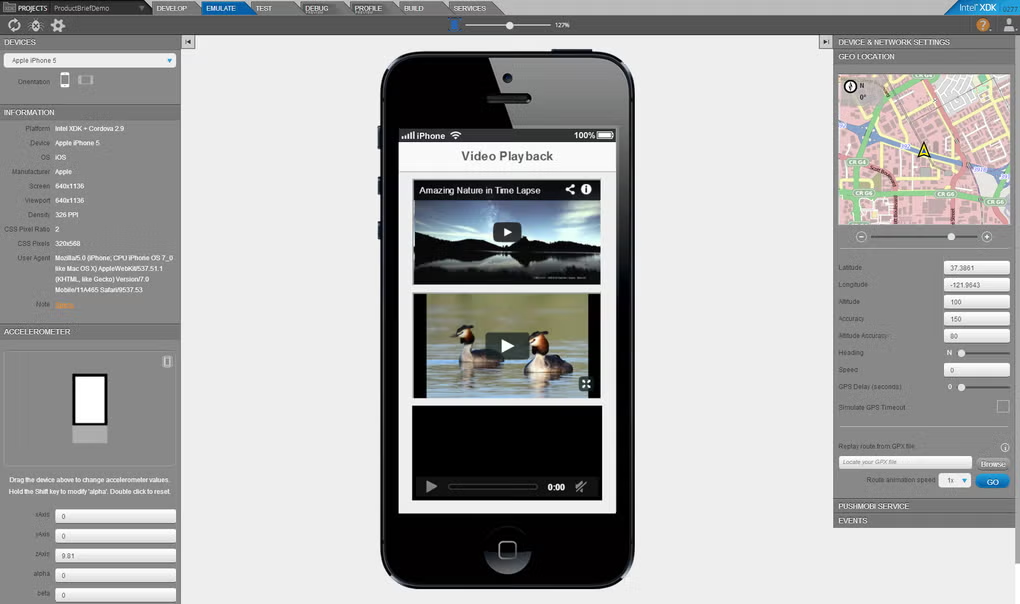
- Test apps across devices
- Package applications for mobile platforms
- Simplify cross-platform development
- Improve mobile app deployment workflows
It is commonly used by:
- Mobile developers
- Web developers
- Students
- Hybrid app developers
- Indie developers
- Cross-platform development teams
The application mainly focuses on:
- Mobile app development
- HTML5 and JavaScript workflows
- Cross-platform deployment
- Hybrid application creation
- Lightweight mobile development
🚀 Key Uses
- Building Android applications
- Creating iOS mobile apps
- Developing hybrid HTML5 apps
- Testing mobile applications
- Packaging apps for deployment
- Learning mobile development basics
- Managing Cordova-based projects
- Creating lightweight business apps
- Developing prototype mobile applications
- Cross-platform app testing
💻 System Requirements (General)
Supported Platforms
- Windows
- Linux
- macOS
Basic Requirements
- 2GB–4GB RAM minimum
- Modern CPU
- Stable internet connection
- Storage space for SDKs and projects
- Mobile device emulation support
Recommended Requirements
- 8GB RAM or higher
- SSD storage
- Updated operating system
- Multi-core processor
- Android/iOS development toolchains
🔄 Alternatives
- Apache Cordova
- Flutter
- React Native
- Ionic Framework
- Android Studio
- Xamarin
- PhoneGap
- NativeScript
❓ FAQ
Q1. What is Intel XDK used for?
It is used for developing and testing cross-platform mobile applications using HTML5 and web technologies.
Q2. Is Intel XDK beginner-friendly?
Yes, it was designed to simplify hybrid mobile app development for beginners and web developers.
Q3. Does Intel XDK support Android and iOS?
Yes, it supports building applications for Android and iOS platforms.
Q4. Can Intel XDK create native mobile apps?
It mainly focuses on hybrid apps built with HTML5, JavaScript, and Cordova technologies.
Q5. Is Intel XDK still actively developed?
Intel discontinued Intel XDK, though older versions may still be used in legacy workflows.
🔄 Best Alternatives
Features
✔ Cross-platform mobile app development
✔ HTML5 and JavaScript workflow support
✔ Android and iOS deployment compatibility
✔ Cordova integration support
✔ Mobile app testing tools
✔ Device emulation workflows
✔ Lightweight development environment
✔ Web technology-based coding
✔ App packaging and deployment tools
✔ Prototype application support
✔ Beginner-friendly mobile workflow
✔ Hybrid app development system
👍 Pros & 👎 Cons
Pros
- Easy for web developers to learn
- Simplified hybrid app development
- Cross-platform workflow support
- Useful rapid prototyping environment
- Lightweight compared to large mobile IDEs
Cons
- Officially discontinued by Intel
- Limited modern mobile framework support
- Hybrid apps may have performance limitations
- Smaller ecosystem compared to modern platforms
- Legacy workflows may face compatibility issues
Expert Review
Intel XDK was a practical solution for developers seeking an easy entry into cross-platform mobile development using web technologies, particularly during the growth of hybrid mobile applications.
Its strongest advantages were:
- Beginner-friendly workflow
- Familiar web technology stack
- Cross-platform deployment support
- Lightweight mobile development process
It was best suited for hybrid app development, educational projects, and rapid mobile prototyping, though modern developers now typically prefer newer frameworks such as Flutter, React Native, or Ionic for long-term development workflows.
How to Install
⚙️ Usage Guide (General Overview)
Step 1: Install Intel XDK
Download and install the development environment.
Step 2: Create a Mobile Project
Start a new HTML5 or Cordova-based application.
Step 3: Write Application Code
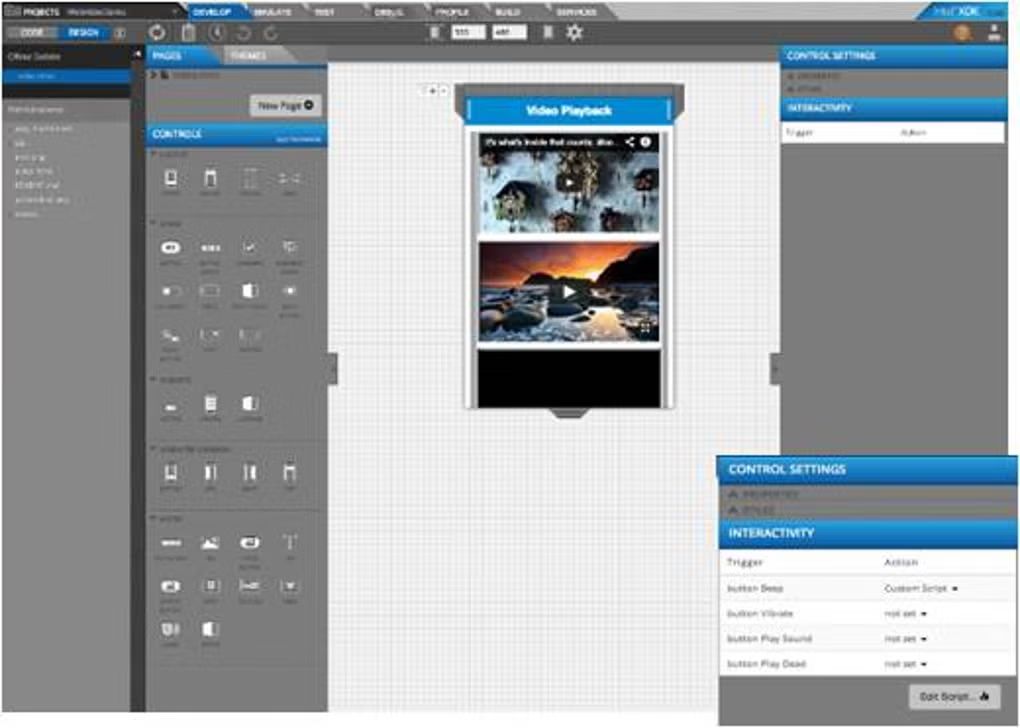
Develop app interfaces using HTML, CSS, and JavaScript.
Step 4: Test the Application
Use emulators or mobile devices for testing.
Step 5: Build and Package
Generate deployment-ready mobile app packages.
Step 6: Deploy to Platforms
Publish apps to Android or iOS environments.
Top Downloads





Disclaimer
This content is provided for educational and informational purposes only. We do not host, store, or distribute any software files on our servers. All trademarks, product names, and logos belong to their respective owners.
We strongly recommend downloading software only from official websites or trusted sources. We are not responsible for any damage, data loss, or issues that may occur from the use of third-party software.
Users should ensure they comply with all applicable laws and software licensing agreements in their country before downloading or using any software mentioned on this website.
You may also like






Alternatives to



Expore Apps