- Development & IT
- IDEs/Source Editors
- Turbo C++
Turbo C++ is designed to provide a lightweight and beginner-friendly programming environment for learning C and C++ fundamentals through simple coding and compilation workflows.
It helps users:
- Learn programming basics
- Practice algorithms and logic
- Understand compilation processes
- Build educational software projects
- Experiment with coding exercises
- Improve beginner development skills
The software is commonly popular among:
- Students
- Educational institutes
- Beginner programmers
- Computer science learners
- Coding trainers
- Hobby developers
Depending on usage, users may get:
- Integrated code editor
- Built-in C/C++ compiler
- Basic debugging tools
- Console application support
- Lightweight development workflow
- Educational programming environment
📌 What is Turbo C++?
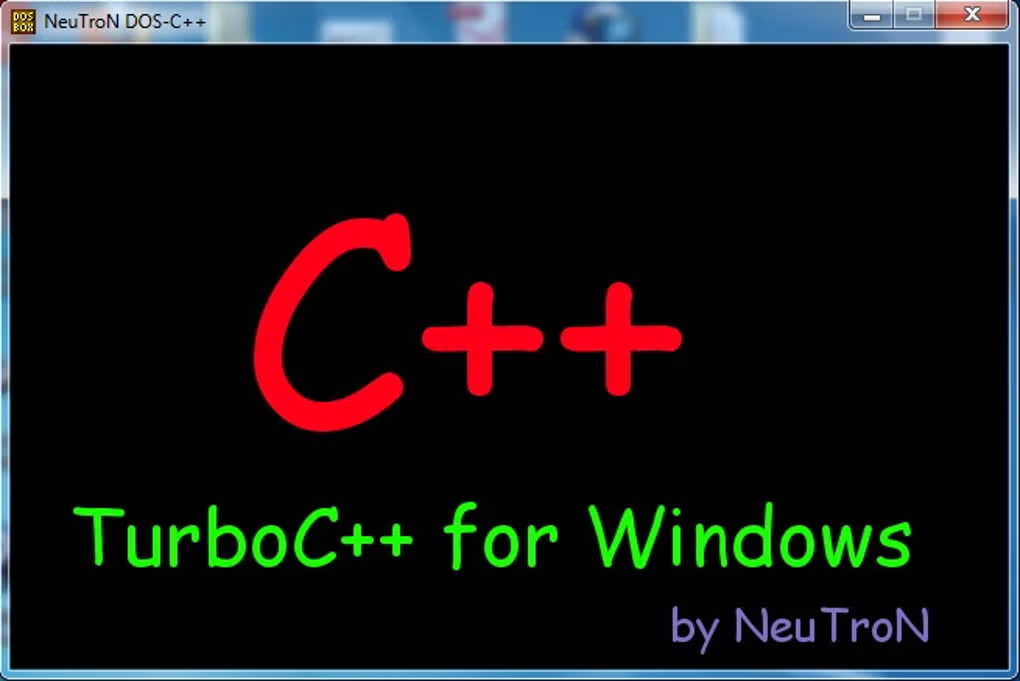
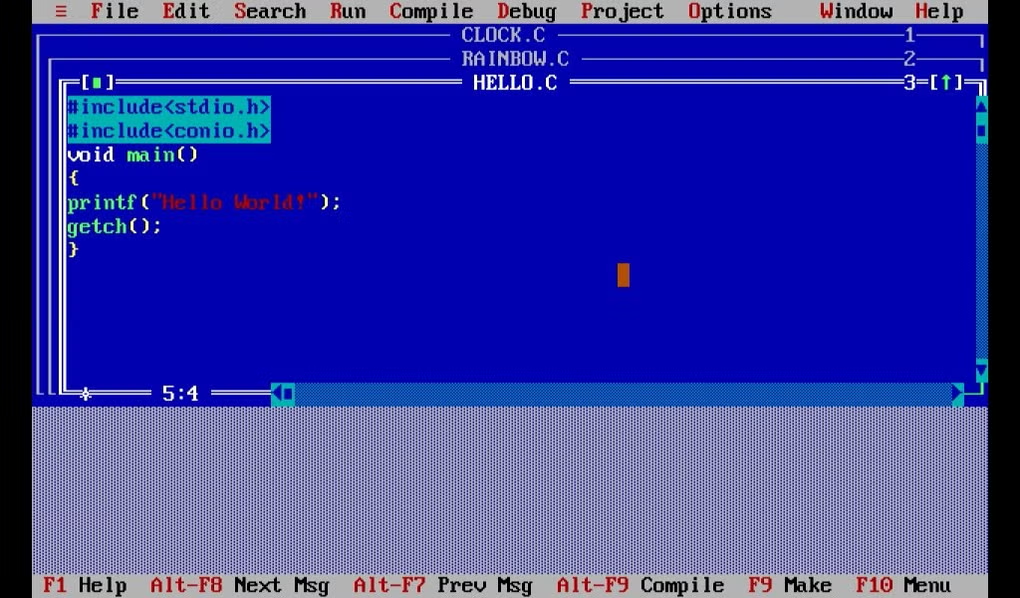
Turbo C++ is a classic C and C++ programming IDE (Integrated Development Environment) and compiler used for writing, compiling, and running C and C++ applications in a lightweight development environment.
The software helps users:
- Write C and C++ code
- Compile and execute programs
- Learn programming fundamentals
- Debug basic applications
- Practice coding exercises
- Build console-based software projects
It is commonly used by:
- Students
- Beginner programmers
- Educational institutions
- C and C++ learners
- Hobby developers
- Computer science training centers
The application mainly focuses on:
- C programming
- C++ programming
- Educational coding workflows
- Lightweight software development
- Beginner programming environments
🚀 Key Uses
- Learning C programming
- Practicing C++ coding
- Building console applications
- Teaching programming fundamentals
- Running educational coding exercises
- Understanding compiler workflows
- Creating small software projects
- Debugging beginner-level programs
- Exploring algorithms and data structures
- Academic programming practice
💻 System Requirements (General)
Supported Platforms
- Windows
- DOS-based environments
Basic Requirements
- 512MB–1GB RAM minimum
- Basic CPU support
- Storage space for projects
- Compatible Windows environment
- Keyboard and display support
Recommended Requirements
- 2GB RAM or higher
- SSD storage
- Updated Windows compatibility layer
- Faster processor for compilation tasks
- DOS emulator support for legacy versions
🔄 Alternatives
- Code::Blocks
- Dev-C++
- Visual Studio
- CLion
- GCC Compiler
- MinGW
- Eclipse CDT
- Visual Studio Code
❓ FAQ
Q1. What is Turbo C++ used for?
It is used for learning, writing, compiling, and running C and C++ programs in an educational programming environment.
Q2. Is Turbo C++ beginner-friendly?
Yes, Turbo C++ is widely known for its simple interface and educational programming workflow.
Q3. Can Turbo C++ run modern C++ standards?
Older versions have limited support for modern C++ standards and advanced language features.
Q4. Does Turbo C++ include a compiler?
Yes, it includes built-in C and C++ compilers.
Q5. Is Turbo C++ free?
Availability depends on the version and distribution source, though many educational editions are freely accessible.
🔄 Best Alternatives
Features
✔ Integrated C and C++ compiler
✔ Lightweight IDE environment
✔ Beginner-friendly coding workflow
✔ Console application support
✔ Basic debugging tools
✔ Educational programming interface
✔ Fast compilation for small projects
✔ Keyboard shortcut support
✔ Syntax highlighting
✔ Simple project management
✔ DOS compatibility support
✔ Low system resource usage
👍 Pros & 👎 Cons
Pros
- Very beginner-friendly
- Lightweight and fast
- Easy setup for educational use
- Good for learning programming basics
- Simple interface for students
Cons
- Outdated compared to modern IDEs
- Limited support for modern C++ standards
- DOS-style interface may feel old
- Not suitable for professional development
- Limited advanced debugging and tooling features
Expert Review
Turbo C++ remains one of the most recognized educational programming environments for learning C and C++ fundamentals thanks to its lightweight design and simple coding workflow.
Its strongest advantages are:
- Excellent for beginners
- Lightweight performance
- Easy-to-understand workflow
- Good educational value
It is best suited for students and educational programming environments focused on learning core C and C++ concepts, while modern software developers generally prefer newer IDEs with support for updated standards and professional development tools.
How to Install
⚙️ Usage Guide (General Overview)
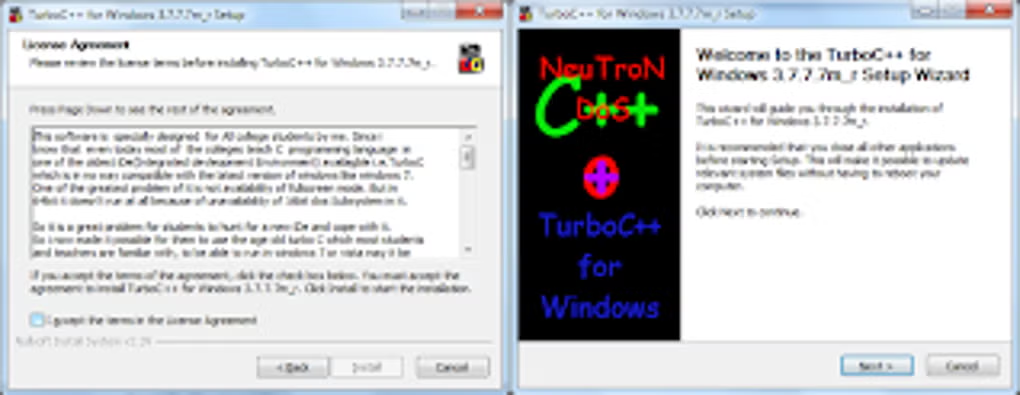
Step 1: Install Turbo C++
Download and install Turbo C++ on your compatible system.
Step 2: Open the IDE
Launch the Turbo C++ programming environment.
Step 3: Write Code
Create a new C or C++ source file.
Step 4: Compile the Program
Use the built-in compiler to compile the code.
Step 5: Run the Application
Execute the compiled program and view output.
Step 6: Debug and Save
Fix errors, debug the code, and save the project.
Apps Specs
Licence
Free
Latest Update
June 24, 2026
Platform
Windows
Downloads
Devlopers
Top Downloads
Disclaimer
This content is provided for educational and informational purposes only. We do not host, store, or distribute any software files on our servers. All trademarks, product names, and logos belong to their respective owners.
We strongly recommend downloading software only from official websites or trusted sources. We are not responsible for any damage, data loss, or issues that may occur from the use of third-party software.
Users should ensure they comply with all applicable laws and software licensing agreements in their country before downloading or using any software mentioned on this website.
You may also like
Alternatives to
Expore Apps