- Development & IT
- FTP Clients
- WebDrive

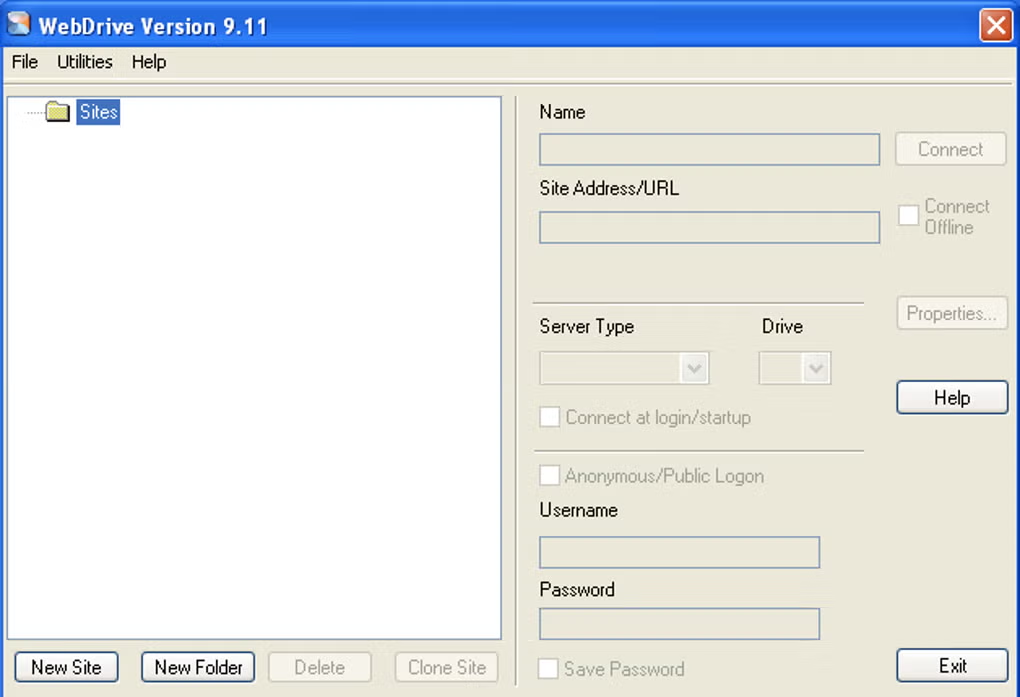
WebDrive is designed to simplify remote storage access by integrating cloud services and server-based storage directly into the operating system as local drives.
It helps users:
- Access remote files quickly
- Reduce local storage dependency
- Simplify cloud workflows
- Manage enterprise storage systems
- Improve productivity
- Connect multiple remote storage services
The software is commonly popular among:
- Businesses
- Remote workers
- Developers
- IT teams
- Cloud storage users
- Web hosting administrators
Depending on usage, users may get:
- Virtual drive mounting
- Cloud storage integration
- FTP and WebDAV connectivity
- File caching systems
- Remote file editing support
- Enterprise storage management tools
📌 What is WebDrive?
WebDrive is a cloud storage and remote drive mounting software used for connecting FTP, SFTP, WebDAV, and cloud storage services as local drives on a computer.
The software helps users:
- Mount cloud storage as local drives
- Access remote servers directly from File Explorer
- Connect FTP, SFTP, and WebDAV storage
- Manage cloud files without full syncing
- Simplify remote file workflows
- Access enterprise storage systems
It is commonly used by:
- Businesses
- IT professionals
- Remote workers
- Developers
- Web administrators
- Cloud storage users
The application mainly focuses on:
- Cloud storage integration
- Remote drive mounting
- FTP and WebDAV connectivity
- File management workflows
- Network storage access
🚀 Key Uses
- Mounting cloud storage as local disks
- Accessing FTP and SFTP servers from File Explorer
- Managing WebDAV-based storage systems
- Working with remote files directly
- Reducing local storage usage
- Simplifying cloud workflows
- Managing enterprise network drives
- Connecting NAS and remote storage systems
- Accessing online storage without synchronization
- Supporting remote business workflows
💻 System Requirements (General)
Supported Platforms
- Windows
- macOS
Basic Requirements
- 2GB RAM minimum
- Stable internet connection
- Modern CPU
- Storage space for caching files
- Supported cloud or server access
Recommended Requirements
- 4GB–8GB RAM
- SSD storage
- Updated operating system
- High-speed internet connection
- Better processor for large file operations
🔄 Alternatives
- RaiDrive
- Mountain Duck
- Expandrive
- NetDrive
- Cyberduck
- Rclone
- Air Live Drive
- StableBit CloudDrive
❓ FAQ
Q1. What is WebDrive used for?
It is used for mounting cloud storage and remote servers as local drives for easier file access and management.
Q2. Is WebDrive beginner-friendly?
Yes, it provides a user-friendly interface for connecting cloud and remote storage systems.
Q3. Which protocols does WebDrive support?
It supports FTP, FTPS, SFTP, WebDAV, and several cloud storage services depending on the edition.
Q4. Can WebDrive access files without syncing?
Yes, users can work directly with remote files without downloading complete synchronized copies.
Q5. Is WebDrive free?
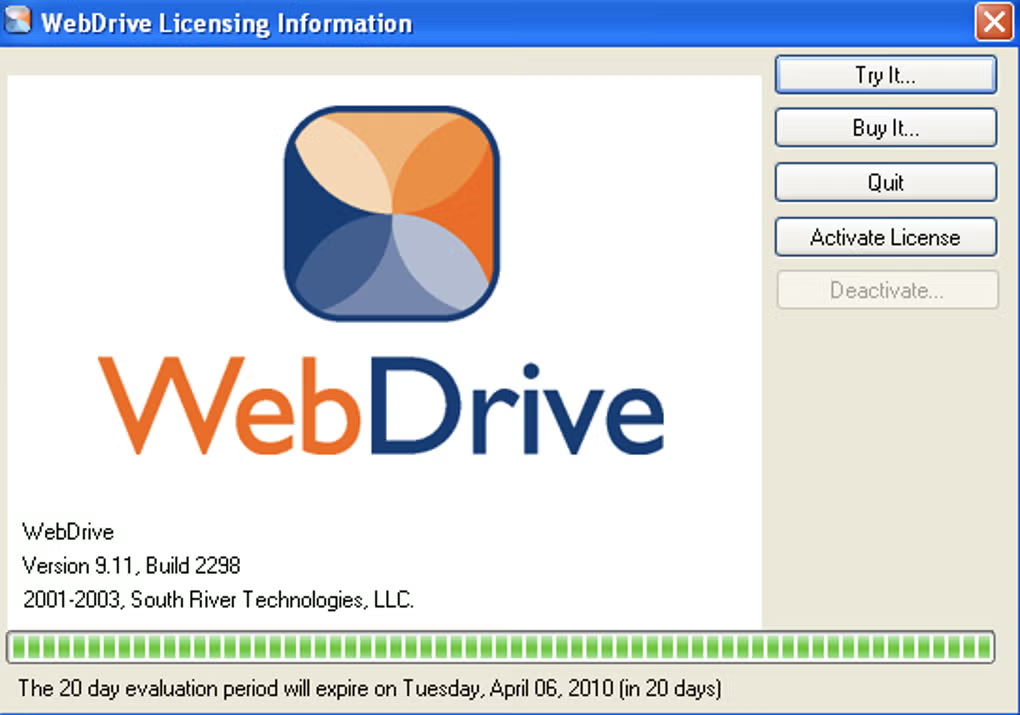
WebDrive is generally available as commercial software with trial and licensed versions.
Features
✔ Cloud storage drive mounting
✔ FTP, FTPS, and SFTP support
✔ WebDAV connectivity
✔ Remote file access through File Explorer
✔ Virtual local drive integration
✔ Cloud workflow management
✔ File caching support
✔ NAS and enterprise storage compatibility
✔ Direct remote file editing
✔ Multiple storage connection management
✔ Lightweight workflow design
✔ Cross-platform support
👍 Pros & 👎 Cons
Pros
- Easy remote storage access
- Supports multiple protocols
- Useful File Explorer integration
- Reduces need for full synchronization
- Good for business workflows
Cons
- Commercial licensing required
- Internet connection required
- Performance depends on network speed
- Advanced features may require configuration
- Some cloud integrations depend on subscription tier
Our Analysis
WebDrive is a practical remote storage mounting solution that helps users access cloud and server-based storage systems directly from their operating system without traditional synchronization workflows.
Its strongest advantages are:
- Broad protocol support
- Easy remote drive integration
- Useful cloud workflow management
- Good enterprise storage compatibility
It is best suited for businesses, IT teams, developers, and remote workers who frequently manage cloud or remote server storage systems, while highly technical users may prefer command-line tools like Rclone for deeper customization and automation.
⚙️ Usage Guide (General Overview)
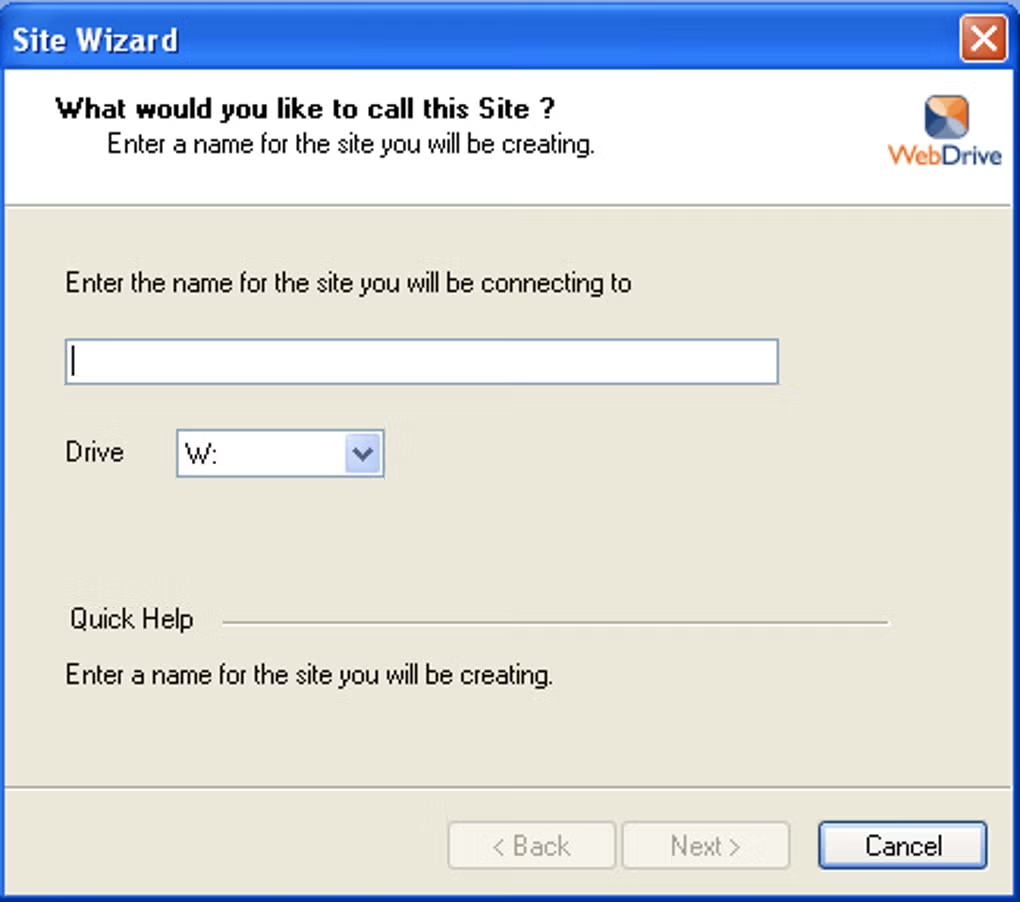
Step 1: Install WebDrive
Download and install WebDrive on your system.
Step 2: Add Remote Storage
Choose FTP, SFTP, WebDAV, or cloud storage services.
Step 3: Configure Connection
Enter server details or sign into cloud accounts.
Step 4: Mount the Drive
Connect the remote storage as a local drive.
Step 5: Access Files
Browse and manage files directly through File Explorer.
Step 6: Configure Settings
Adjust caching, security, and synchronization preferences if needed.
About SoftwareDownloading Editorial Team
The SoftwareDownloading Editorial Team researches Windows software, compatibility information, features, alternatives, and software-related guides for SoftwareDownloading.in.
Our pages are prepared using available product information and relevant documentation. When an application has not been personally tested, we distinguish research-based analysis from hands-on testing. Learn more about our review process
Apps Specs
Developer
Licence
Trial
Version
2019
Platform
Windows
Download Clicks
2
Page Reviewed
September 26, 2026
Releted Searches
Top Downloads




Related Topics
Disclaimer
This content is provided for educational and informational purposes only. We do not host, store, or distribute any software files on our servers. All trademarks, product names, and logos belong to their respective owners.
We strongly recommend downloading software only from official websites or trusted sources. We are not responsible for any damage, data loss, or issues that may occur from the use of third-party software.
Users should ensure they comply with all applicable laws and software licensing agreements in their country before downloading or using any software mentioned on this website.