Mail systems are designed to provide fast and reliable electronic communication between users across the world.
It helps users:
- Communicate professionally
- Share information instantly
- Organize digital conversations
- Manage work and personal messages
- Improve business productivity
- Access cloud-based communication
Mail services are commonly used in:
- Offices and businesses
- Schools and universities
- Online services
- Government communication
- Customer support systems
- Personal daily communication
Depending on the platform, users may get:
- Spam filtering
- Cloud synchronization
- Calendar integration
- Contact management
- Multi-device access
- Secure encryption
- Productivity tools
📌 What is Mail?
Mail is a digital communication system and software category used for sending, receiving, organizing, and managing electronic messages over the internet.
Mail applications and services help users:
- Send emails
- Receive messages
- Share files and attachments
- Manage contacts
- Organize communication
- Handle business and personal correspondence
Mail platforms are commonly used by:
- Businesses
- Students
- Professionals
- Organizations
- Government offices
- Personal users
The system mainly focuses on:
- Electronic communication
- Message management
- File sharing
- Online collaboration
- Professional communication
🚀 Key Uses
- Sending and receiving emails
- Business communication
- Sharing attachments and documents
- Customer support communication
- Managing professional contacts
- Newsletter distribution
- Online account registration
- Team collaboration
- Scheduling and notifications
- Personal communication
💻 System Requirements (General)
Supported Platforms
- Microsoft Windows
- Android
- iPhone/iPad
- macOS
- Linux
- Web browsers
Basic Requirements
- Stable internet connection
- Email account
- 2GB RAM minimum
- Updated browser or mail application
- Basic storage space
Recommended Requirements
- High-speed internet
- 4GB+ RAM
- Modern operating system
- Cloud synchronization support
- Secure authentication setup
🔄 Alternatives
- Gmail
- Microsoft Outlook
- Yahoo Mail
- Thunderbird
- Proton Mail
- Zoho Mail
- Apple Mail
❓ FAQ
Q1. What is Mail used for?
It is used for electronic communication and message management over the internet.
Q2. Can users send attachments?
Yes, most mail services support:
- Documents
- Images
- Videos
- PDFs
- Other file attachments
Q3. Is Mail useful for businesses?
Yes, email communication is essential for modern business operations.
Q4. Can users access Mail on mobile devices?
Yes, most mail platforms support smartphones and tablets.
Q5. Is internet required?
Yes, internet access is needed for sending and receiving emails.
🔄 Best Alternatives
Features
✔ Email sending and receiving
✔ Attachment sharing support
✔ Contact management tools
✔ Spam filtering system
✔ Cloud synchronization
✔ Multi-device compatibility
✔ Search and organization tools
✔ Calendar and scheduling integration
✔ Notification support
✔ Secure login and encryption
✔ Business communication features
✔ User-friendly interface
👍 Pros & 👎 Cons
Pros
- Fast worldwide communication
- Easy file sharing
- Essential for professional work
- Supports mobile and desktop access
- Useful for collaboration
- Convenient digital organization
Cons
- Spam and phishing risks
- Requires internet connection
- Inbox management can become difficult
- Privacy concerns on some platforms
- Large attachments may have limits
Expert Review
Mail systems remain one of the most important digital communication tools for both personal and professional use.
Its strongest advantages are:
- Instant communication
- Worldwide accessibility
- Professional reliability
- Efficient file sharing
It is especially useful for businesses, students, professionals, and users who need organized digital communication.
However, users should maintain proper security practices to avoid spam and phishing threats.
How to Install
⚙️ Usage Guide (General Overview)
Step 1: Create Email Account
Register with a mail provider.
Step 2: Log In
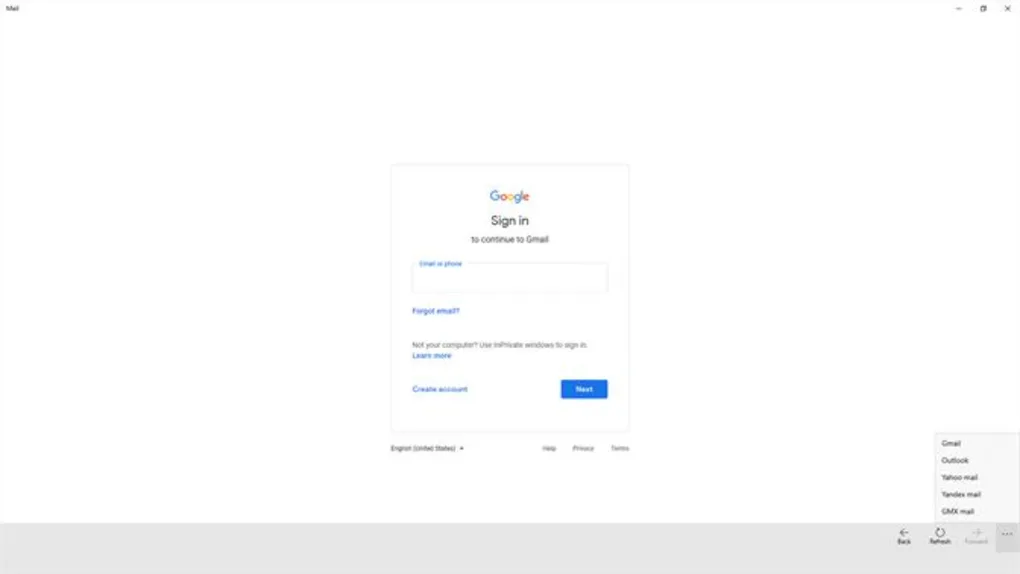
Access mail application or web service.
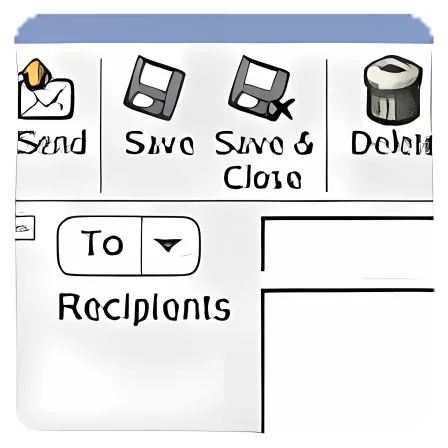
Step 3: Compose Message
Enter:
- Recipient
- Subject
- Message content
Step 4: Add Attachments
Upload files if needed.
Step 5: Send Email
Deliver message online.
Step 6: Check Inbox
Read incoming emails.
Step 7: Organize Messages
Use:
- Folders
- Labels
- Filters
- Archive tools
Step 8: Continue Communication
Reply, forward, or manage conversations.
Apps Specs
Licence
Free
Latest Update
June 24, 2026
Platform
Windows
Downloads
Devlopers
Top Downloads
Related Topics
Disclaimer
This content is provided for educational and informational purposes only. We do not host, store, or distribute any software files on our servers. All trademarks, product names, and logos belong to their respective owners.
We strongly recommend downloading software only from official websites or trusted sources. We are not responsible for any damage, data loss, or issues that may occur from the use of third-party software.
Users should ensure they comply with all applicable laws and software licensing agreements in their country before downloading or using any software mentioned on this website.
You may also like
Alternatives to
Expore Apps