- Development & IT
- Remote Control
- ISL Online

ISL Online is a professional remote desktop and remote support software platform designed for secure remote access, IT support, unattended remote management, screen sharing, and enterprise remote administration.
📌 What is ISL Online?
ISL Online is a professional remote access and remote support platform that enables users to securely connect to remote computers and devices through internet-based encrypted communication. The software is widely used for IT administration, enterprise remote support, remote work, system maintenance, and online collaboration.
Remote desktop software allows users to control and interact with another computer remotely as if they were physically using the machine. ISL Online is designed to provide secure, stable, and scalable remote access solutions for businesses, IT support teams, and enterprise environments.
The software is commonly used for:
- Remote desktop access
- Enterprise IT support
- Remote troubleshooting
- Unattended remote access
- Remote work environments
- Server administration
- Online collaboration
- Help desk operations
- Device management
One of the biggest strengths of ISL Online is enterprise-level security and centralized remote management functionality.
The software is commonly used by:
- IT administrators
- Managed service providers
- Enterprise businesses
- Technical support teams
- Remote employees
- Educational institutions
- Government organizations
- Healthcare and business environments
Depending on the version and deployment type, ISL Online may support:
- Remote desktop control
- Unattended remote access
- Secure encrypted communication
- Multi-monitor remote sessions
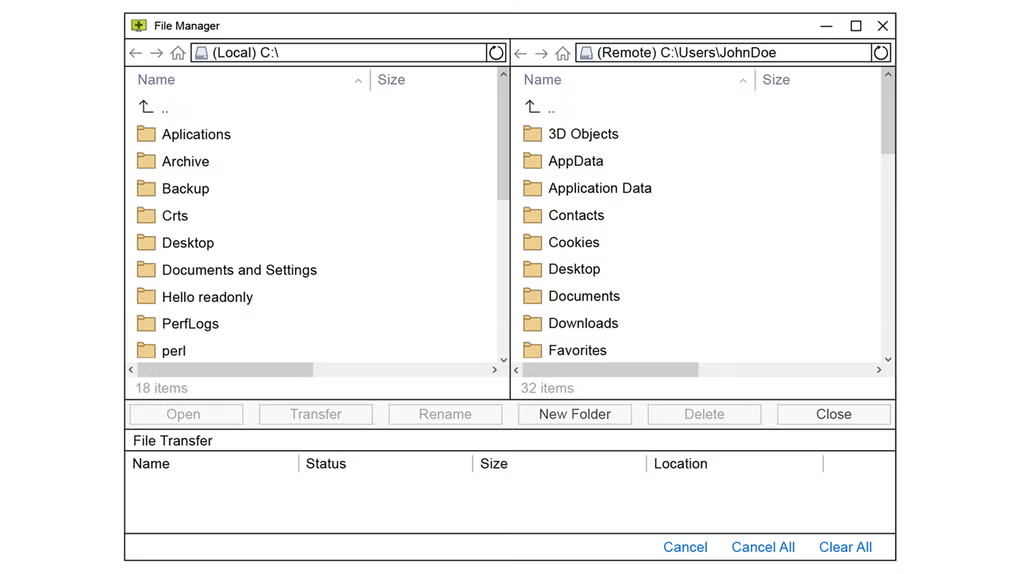
- File transfer functionality
- Session recording tools
- Screen sharing support
- Chat and communication tools
- Remote mobile device access
- Cross-platform compatibility
- Wake-on-LAN support
- Session management dashboard
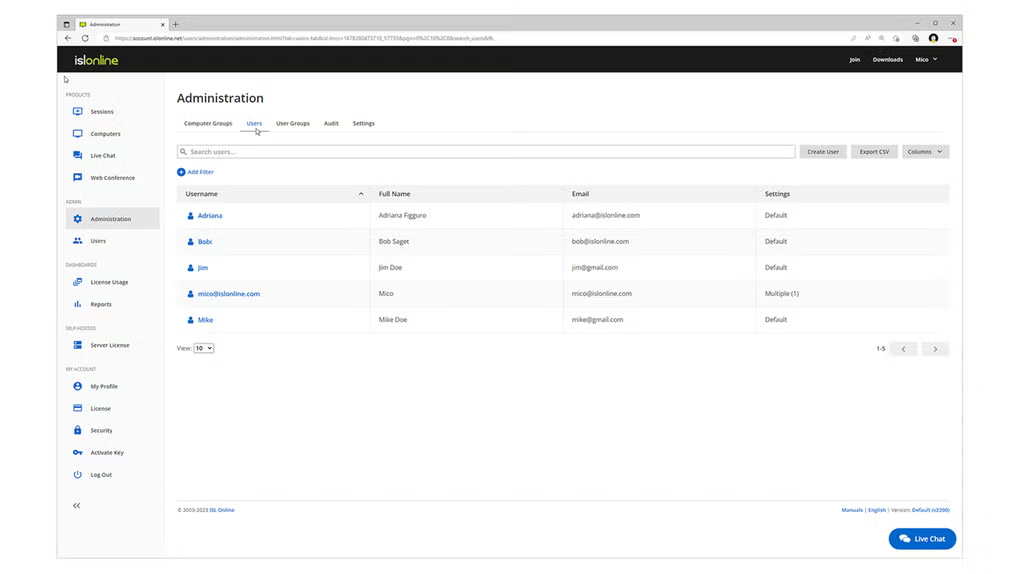
- User and permission management
- Self-hosted deployment options
- Cloud-based remote connectivity
One of the major advantages of ISL Online is deployment flexibility. Organizations may choose between:
Cloud-Based Deployment
Remote sessions are handled through ISL Online cloud infrastructure.
Self-Hosted Deployment
Organizations host the system on their own servers for greater control, compliance, and security management.
Security is one of the strongest areas of ISL Online. The software may support:
- End-to-end encryption
- Two-factor authentication
- Access permissions
- Session logging
- Authentication controls
- Secure user management
- Compliance-oriented deployment options
ISL Online is often used in professional environments where data privacy, security compliance, and centralized administration are critical.
Another major advantage is unattended access. Administrators can remotely access authorized systems without requiring someone physically present at the target computer.
The software can also help businesses reduce support costs by enabling remote troubleshooting and maintenance instead of on-site visits.
Overall, ISL Online acts as a professional enterprise remote desktop and remote support platform for secure remote access, technical support, collaboration, and centralized device management.
💻 System Requirements (Detailed)
To run ISL Online smoothly, the following system requirements are recommended:
Minimum Requirements
- Operating System:
Windows 7 / Windows 8 / Windows 10 / Windows 11
Some versions support macOS, Linux, Android, and iOS - Processor:
Intel or AMD Dual-Core processor - RAM:
Minimum 2GB RAM - Storage Space:
Around 300MB free disk space - Network:
Stable internet connection required - Display:
Standard monitor resolution
Recommended Requirements
- Processor:
Intel Core i5 / Ryzen 5 or higher - RAM:
4GB–8GB RAM or more - Storage:
SSD recommended for smoother remote session performance - Internet:
High-speed broadband connection recommended - Additional Tools:
Frequently compared with:- TeamViewer
- AnyDesk
- ConnectWise Control
Best Suitable For
ISL Online is ideal for:
- Enterprise IT administration
- Remote support teams
- Managed service providers
- Remote work environments
- Technical troubleshooting
- Centralized device management
- Secure remote collaboration
- Professional help desk operations
🔄 Alternatives
If you want similar enterprise remote desktop and remote support software, you can try:
- TeamViewer
- AnyDesk
- ConnectWise Control
- Splashtop
- BeyondTrust Remote Support
❓ FAQ
Q1. What is ISL Online mainly used for?
It is used for remote desktop access and enterprise remote support.
Q2. Does ISL Online support unattended access?
Yes, unattended remote management functionality is supported.
Q3. Is ISL Online secure?
Yes, enterprise-grade encryption and authentication systems are commonly supported.
Q4. Can ISL Online transfer files?
Yes, file transfer functionality is included.
Q5. Does ISL Online support multiple operating systems?
Yes, some versions support Windows, macOS, Linux, Android, and iOS.
Q6. Is ISL Online suitable for businesses?
Yes, it is designed for enterprise and professional environments.
Q7. Can ISL Online be self-hosted?
Yes, self-hosted deployment options may be available.
🔄 Best Alternatives
Features
- ✔️ Secure remote desktop access
- ✔️ Enterprise remote support functionality
- ✔️ Unattended remote access support
- ✔️ End-to-end encrypted communication
- ✔️ File transfer functionality
- ✔️ Multi-monitor remote sessions
- ✔️ Screen sharing support
- ✔️ Session recording tools
- ✔️ Cross-platform compatibility
- ✔️ Wake-on-LAN support
- ✔️ Remote mobile device access
- ✔️ User and permission management
- ✔️ Cloud and self-hosted deployment options
- ✔️ Centralized administration tools
- ✔️ Suitable for enterprise IT environments
👍 Pros & 👎 Cons
Pros
- Strong enterprise-grade security features
- Supports unattended remote access
- Good for IT administration and technical support
- Flexible cloud and self-hosted deployment options
- Useful for businesses and managed service providers
- Cross-platform compatibility improves flexibility
- Centralized management tools increase productivity
- Secure encrypted communication for remote sessions
Cons
- Advanced enterprise features may require paid licensing
- Initial configuration may be complex for beginners
- Performance depends on network quality
- Enterprise management tools may require technical expertise
- Some advanced features may be unnecessary for casual users
Expert Review
In my opinion, ISL Online is a highly professional and enterprise-focused remote desktop solution designed for organizations that require strong security, centralized administration, and reliable remote support functionality. The software is especially valuable for IT departments, managed service providers, and businesses operating in security-sensitive environments.
One of the biggest advantages is deployment flexibility. The ability to choose between cloud-based and self-hosted infrastructure makes ISL Online suitable for organizations with strict compliance or privacy requirements. Security features such as encrypted communication, authentication controls, and permission management further strengthen its enterprise appeal.
The unattended access functionality and centralized management tools also make remote administration much more efficient for large-scale environments. Features like session recording, multi-monitor support, and cross-platform compatibility improve productivity for support teams and remote workers.
Although beginners may find the enterprise-oriented configuration slightly more complex than simpler consumer remote desktop applications, the platform provides excellent functionality for professional use cases.
If you need a secure, scalable, and enterprise-grade remote support solution for business or IT administration environments, ISL Online is definitely one of the strongest options available.
How to Install
⚙️ Installation Guide (Step-by-Step)
Follow these steps to install ISL Online:
Step 1: Download ISL Online
Download the latest version from the official or trusted source.
Step 2: Run the Installer
Open the setup file and allow administrator permissions if requested.
Step 3: Accept License Agreement
Read and agree to the installation terms.
Step 4: Choose Deployment Method
Select either:
- Cloud-based access
- Self-hosted server deployment
depending on your requirements.
Step 5: Complete Installation
Finish the setup process and launch the software.
Step 6: Create or Sign In to Account
Configure your administrator or user account.
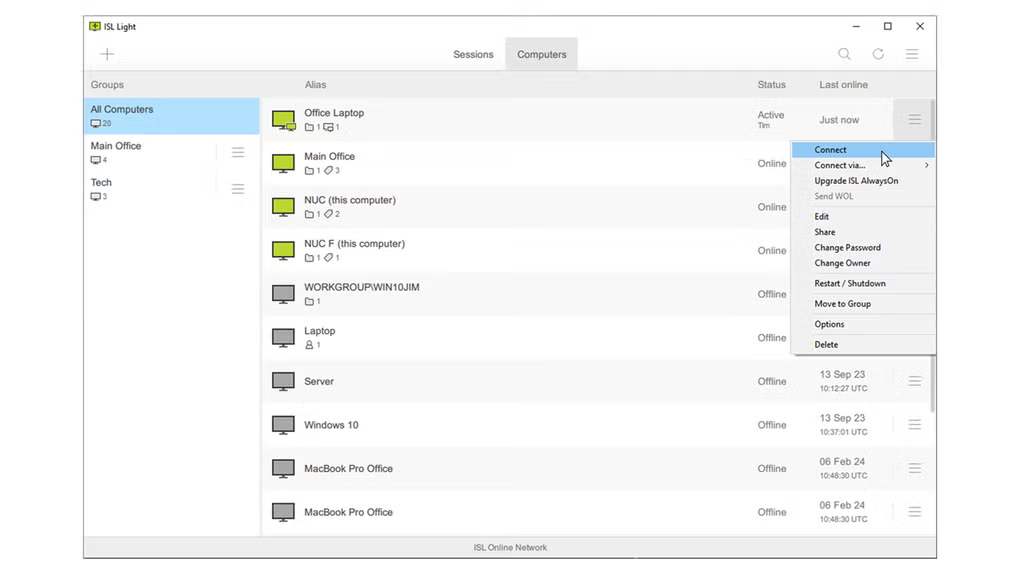
Step 7: Add Remote Devices
Register remote computers and configure remote access permissions.
Step 8: Configure Security Settings
Set up:
- Authentication methods
- User permissions
- Two-factor authentication
- Session policies
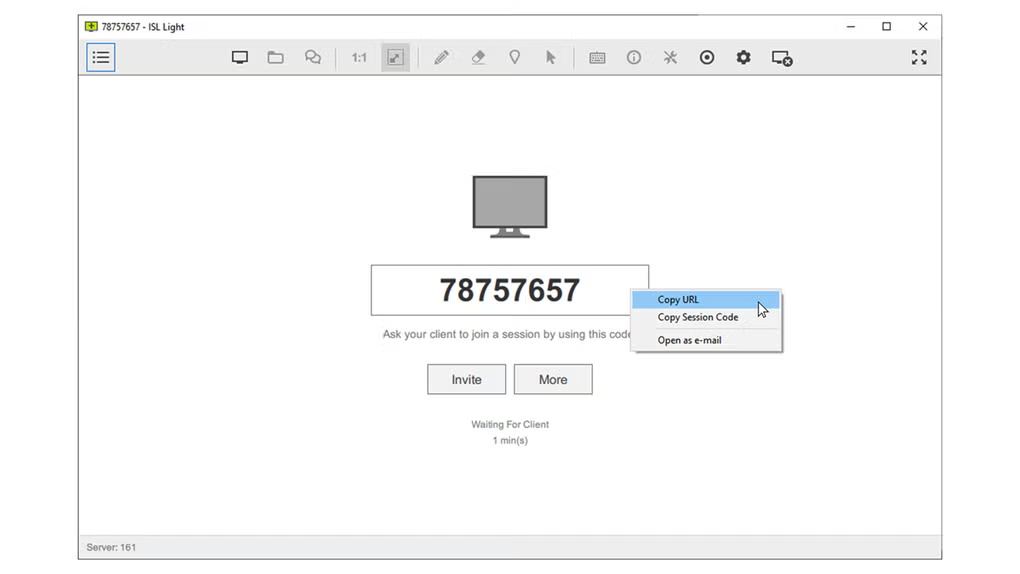
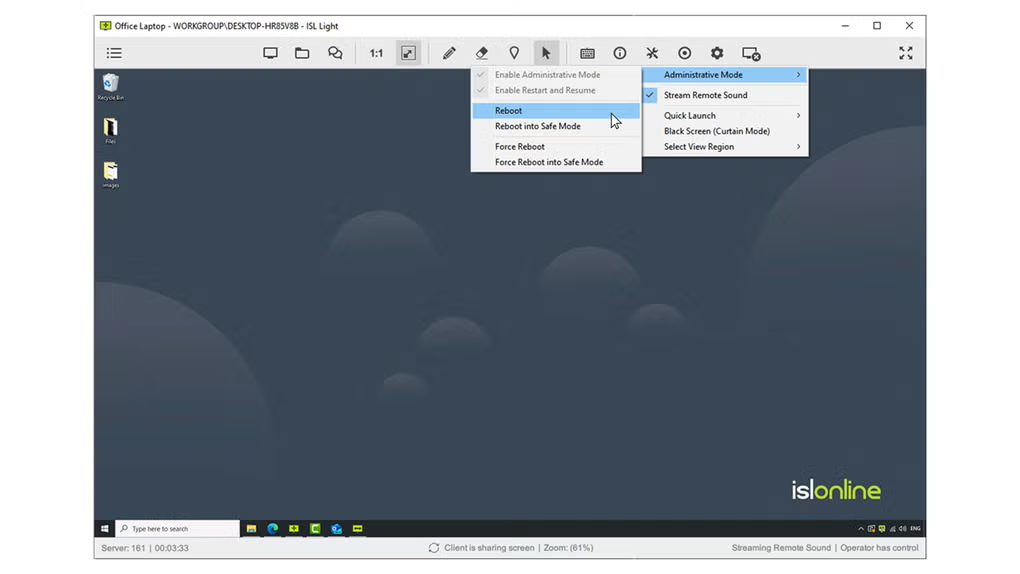
Step 9: Start Remote Session
Connect securely to remote systems and begin management tasks.
Step 10: Use Advanced Management Features
Use tools such as:
- File transfer
- Screen sharing
- Session recording
- Multi-monitor management
- Remote support tools

Apps Specs
Licence
Trial
Latest Update
June 24, 2026
Platform
Windows
Downloads
4
Devlopers
Releted Searches
Top Downloads




Disclaimer
This content is provided for educational and informational purposes only. We do not host, store, or distribute any software files on our servers. All trademarks, product names, and logos belong to their respective owners.
We strongly recommend downloading software only from official websites or trusted sources. We are not responsible for any damage, data loss, or issues that may occur from the use of third-party software.
Users should ensure they comply with all applicable laws and software licensing agreements in their country before downloading or using any software mentioned on this website.
You may also like






Alternatives to


Expore Apps