- Business & Productivity
- Agenda & Calendars
- Chaos Manager
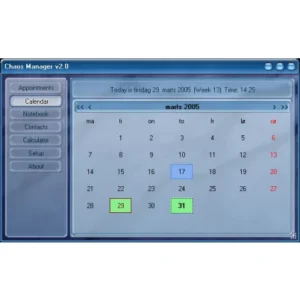
Chaos Manager is designed to centralize productivity and information management into one organized system.
It helps users:
- Organize appointments and schedules
- Manage customer and business contacts
- Track reminders and tasks
- Improve office productivity
- Maintain structured workflows
- Store important notes and records
It is commonly used in:
- Small business management
- Office scheduling
- Personal productivity planning
- Customer relationship organization
- Sales and communication tracking
- Administrative workflows
Depending on the edition, users may get:
- Contact database tools
- Calendar and reminder system
- Task scheduling support
- Notes and memo management
- Synchronization features
- Search and filtering tools
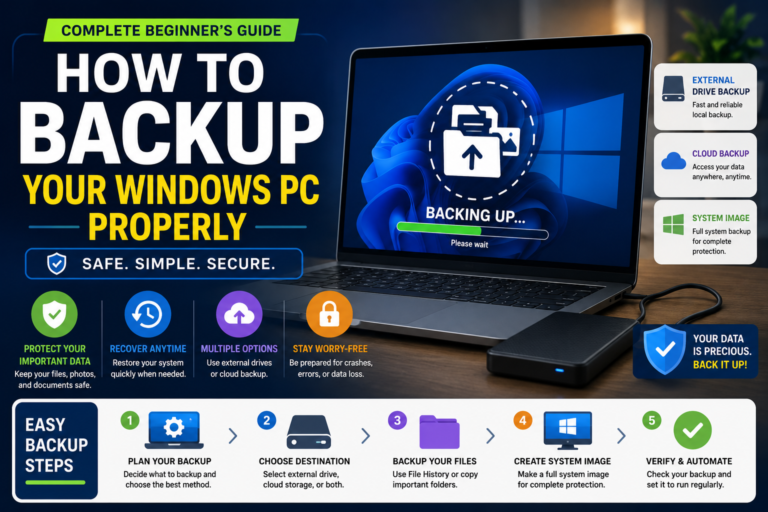
- Data backup support
📌 What is Chaos Manager?
Chaos Manager is a personal information management (PIM) software designed to help users organize contacts, appointments, tasks, notes, reminders, and business information in one centralized application.
It is commonly used for productivity management, scheduling, and customer/contact organization.
Common users include:
- Small business owners
- Office professionals
- Sales representatives
- Freelancers
- Personal productivity users
🚀 Key Uses
- Contact and customer management
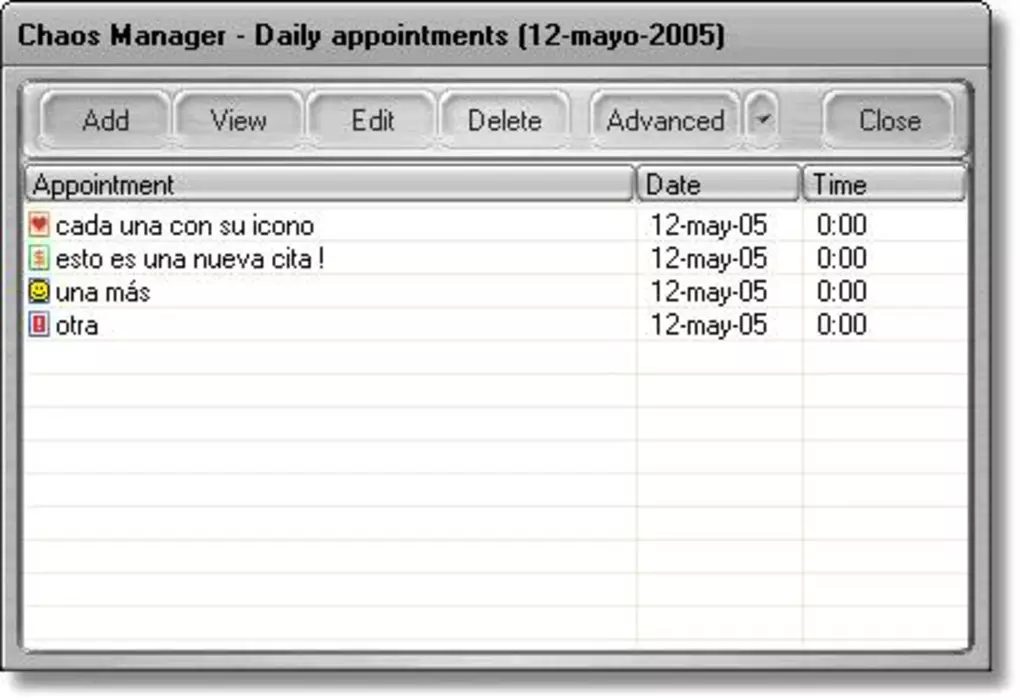
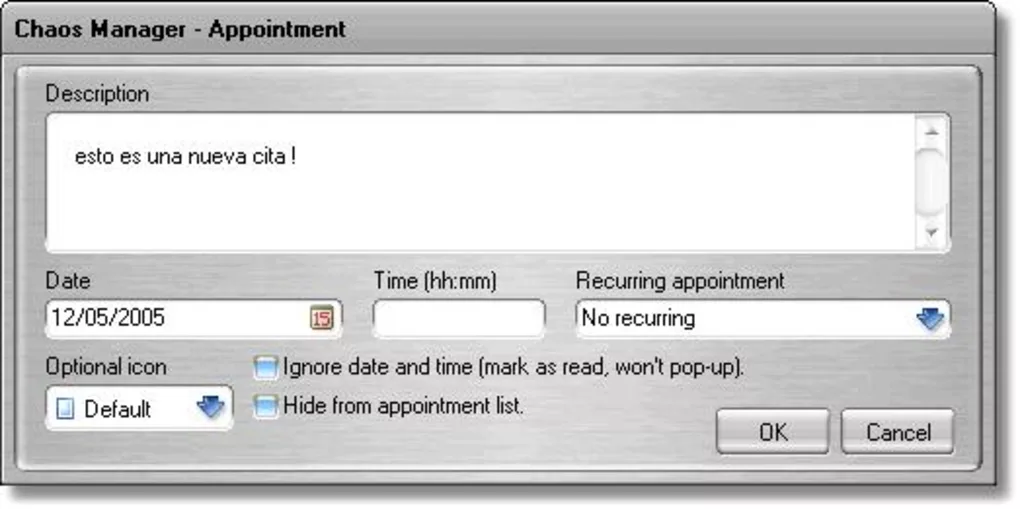
- Scheduling appointments and meetings
- Organizing tasks and reminders
- Managing notes and documents
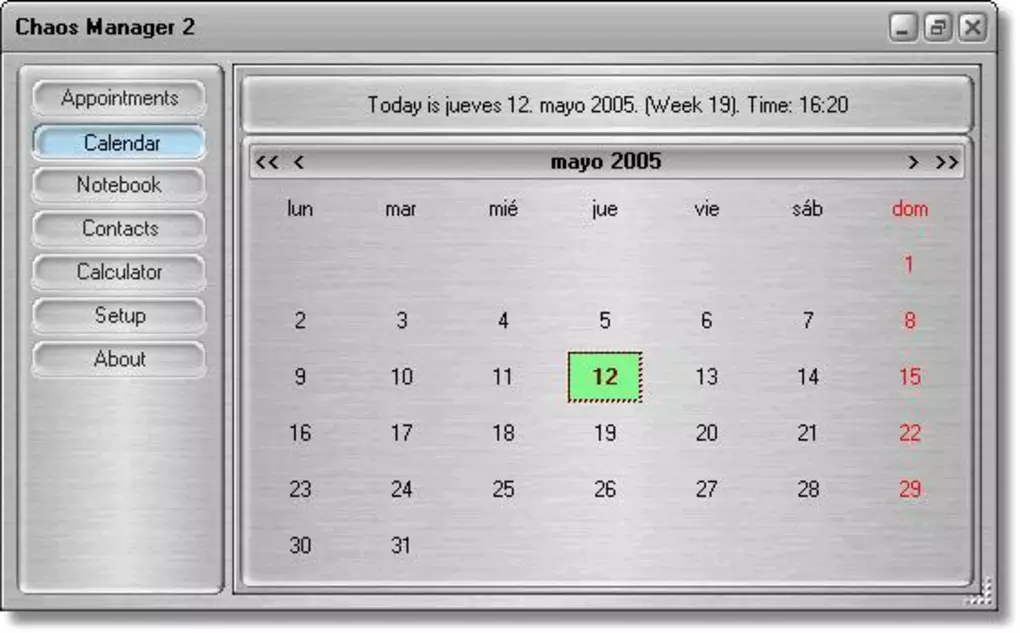
- Calendar and event planning
- Productivity and workflow management
- Business contact tracking
- Personal information organization
- Daily planning and scheduling
- Time management support
💻 System Requirements (General)
Supported Platforms
- Microsoft Windows (primary support)
Basic Requirements
- 2GB RAM minimum
- Basic CPU support
- Lightweight storage requirements
- Notification support for reminders
- Optional synchronization features
Recommended Requirements
- 4GB+ RAM
- SSD storage
- Updated Windows version
- Backup support enabled
🔄 Alternatives
- Microsoft Outlook
- EssentialPIM
- MSD Organizer
- Day Organizer
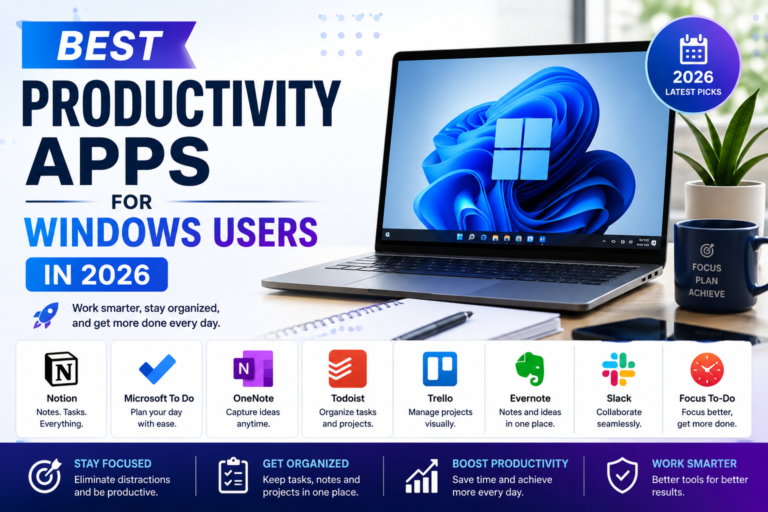
- Notion
- Evernote
- Google Calendar + Contacts
❓ FAQ
Q1. What is Chaos Manager used for?
It is used for managing contacts, tasks, appointments, reminders, and productivity workflows.
Q2. Is it suitable for business use?
Yes, it is useful for small business and office productivity.
Q3. Does it include calendar management?
Yes, calendar and appointment scheduling are included.
Q4. Can it manage contacts?
Yes, contact and customer management are major features.
Q5. Is it cloud-based?
It is mainly a desktop-based productivity solution.
🔄 Best Alternatives
Features
✔ Contact and customer management
✔ Appointment scheduling
✔ Task and reminder system
✔ Calendar organization
✔ Notes and memo storage
✔ Productivity workflow tools
✔ Search and filtering support
✔ Daily planning features
✔ Lightweight desktop application
✔ Backup and restore tools
✔ Business organization support
✔ Reminder notifications
👍 Pros & 👎 Cons
Pros
- Good all-in-one productivity tool
- Useful contact management features
- Lightweight and efficient
- Helpful scheduling and reminders
- Suitable for office and personal use
- Easy workflow organization
Cons
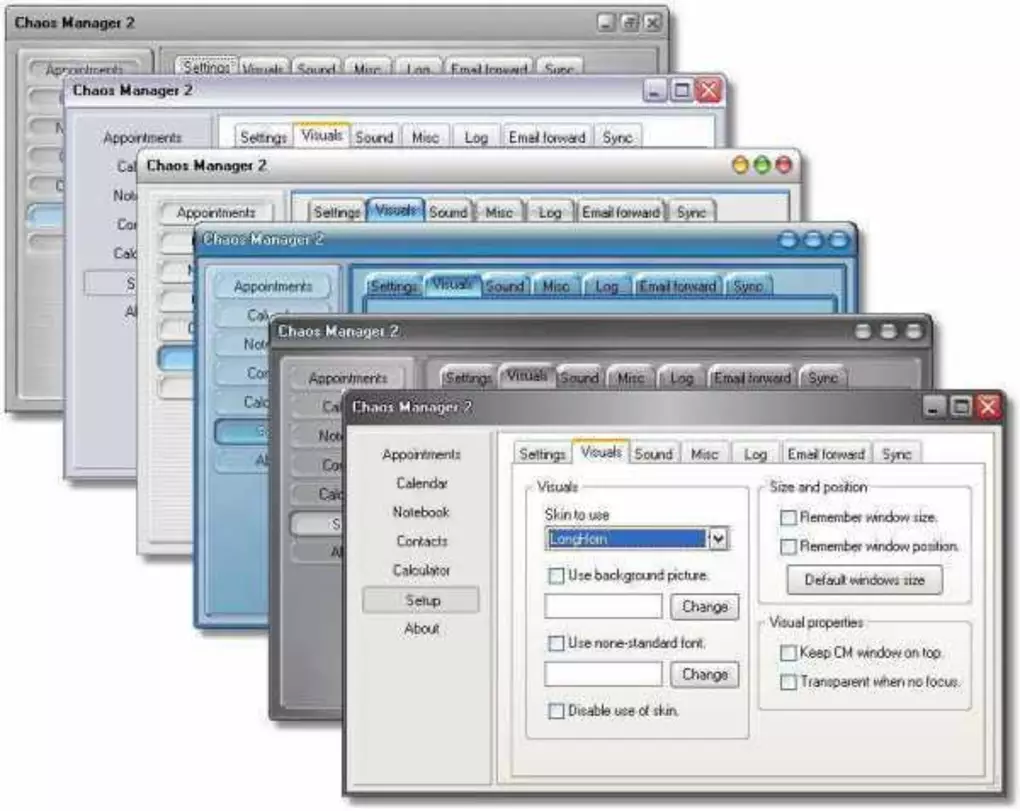
- Interface looks traditional
- Limited cloud collaboration features
- Mostly Windows-focused
- Less modern than SaaS productivity platforms
- Advanced features may require paid version
Expert Review
Chaos Manager is a useful desktop productivity application for users who prefer traditional all-in-one organization software.
Its strongest advantages are:
- Good contact and task management
- Lightweight and easy to manage
- Helpful scheduling tools
- Suitable for small business workflows
It is especially useful for users who want offline productivity organization instead of fully cloud-based services.
However, the interface feels older compared to modern productivity applications like Notion or Microsoft 365 tools.
How to Install
⚙️ Installation Guide (General Overview)
Step 1: Install Software
Install Chaos Manager on your PC.
Step 2: Configure Preferences
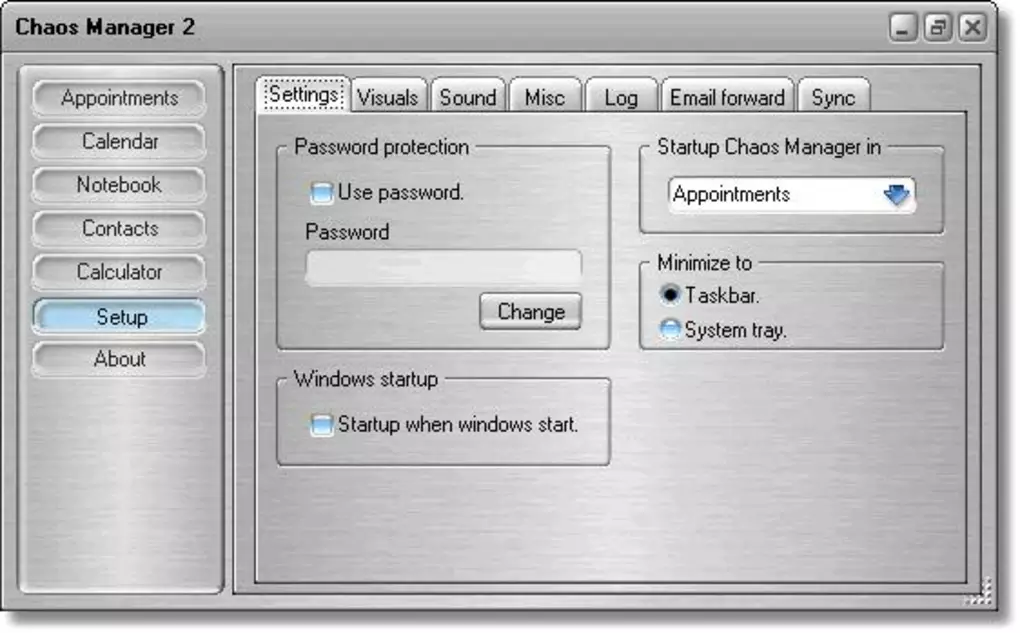
Set reminders, calendar, and categories.
Step 3: Add Contacts
Store business or personal contact details.
Step 4: Create Tasks
Organize daily activities and priorities.
Step 5: Schedule Events
Use appointment and calendar tools.
Step 6: Store Notes
Save memos and important records.
Step 7: Enable Notifications
Activate reminders and alerts.
Step 8: Organize Categories
Group tasks and contacts efficiently.
Step 9: Backup Data
Protect productivity database.
Step 10: Maintain Workflow
Use daily for organization and planning.
Apps Specs
Licence
Free
Latest Update
June 24, 2026
Platform
Windows
Downloads
Devlopers
Top Downloads
Disclaimer
This content is provided for educational and informational purposes only. We do not host, store, or distribute any software files on our servers. All trademarks, product names, and logos belong to their respective owners.
We strongly recommend downloading software only from official websites or trusted sources. We are not responsible for any damage, data loss, or issues that may occur from the use of third-party software.
Users should ensure they comply with all applicable laws and software licensing agreements in their country before downloading or using any software mentioned on this website.
You may also like
Alternatives to
Expore Apps