
How to Recover Deleted Files on Windows: A Complete Guide
Introduction
Accidentally deleting important files is a common problem for Windows users. Whether you remove a document, photo, video, project file, or folder by mistake, losing data can be frustrating.
Fortunately, deleted files are often recoverable, especially if you act quickly. Windows includes built-in recovery options, and several file recovery tools can help restore lost data.
In this guide, we’ll explain how deleted files can be recovered on Windows, the methods you should try first, and the best practices to maximize recovery success.
Why Deleted Files Can Often Be Recovered
When a file is deleted, Windows does not immediately erase the file’s data from the storage device.
Instead:
- The file entry is removed from the file system.
- The storage space is marked as available.
- The actual data often remains until new data overwrites it.
Because of this, deleted files can frequently be recovered if no new data has replaced them.
Before You Start Recovery
To improve recovery chances:
Stop Using the Drive
Avoid:
- Downloading files
- Installing software
- Copying data
- Creating new documents
New data can overwrite deleted files permanently.
Identify Where the File Was Stored
Examples:
- Desktop
- Documents folder
- Downloads folder
- External hard drive
- USB drive
- SSD
- HDD
Knowing the original location helps determine the best recovery method.
Method 1: Check the Recycle Bin
The Recycle Bin is the first place you should check.
Steps
Step 1: Open the Recycle Bin from your desktop.
Step 2: Locate the deleted file.
Step 3: Right-click the file.
Step 4: Select Restore.
Step 5: Windows returns the file to its original location.
Best For
- Recently deleted files
- Accidental deletions
Limitations
Files deleted using Shift + Delete usually bypass the Recycle Bin.
Method 2: Use File History Backup
Windows File History can restore previous versions of files and folders.
Steps
Step 1: Open the folder where the file was originally stored.
Step 2: Right-click the folder.
Step 3: Select Restore Previous Versions.
Step 4: Choose a backup version.
Step 5: Click Restore.
Best For
- Users who enabled File History previously.
Limitations
Will not work if backups were never configured.
Method 3: Recover Files from Windows Backup
If you use Windows Backup, recovery is straightforward.
Steps
Step 1: Open Control Panel.
Step 2: Navigate to:
Control Panel → System and Security → Backup and Restore
Step 3: Select Restore My Files.
Step 4: Browse backup versions.
Step 5: Recover the required files.
Best For
- Regularly backed-up systems.
Method 4: Use Windows File Recovery
Microsoft provides a free recovery utility called Windows File Recovery.
Requirements
- Windows 10 version 2004 or later
- Administrator privileges
Installation
Install Windows File Recovery from the Microsoft Store.
Basic Example
Open Command Prompt as Administrator and run:
winfr C: D: /regular /n \Users\Username\Documents\*
Where:
- C: = source drive
- D: = recovery destination
Advantages
- Official Microsoft tool
- Free to use
- Effective in many scenarios
Limitations
- Command-line interface
- Learning curve for beginners
Method 5: Use Data Recovery Software
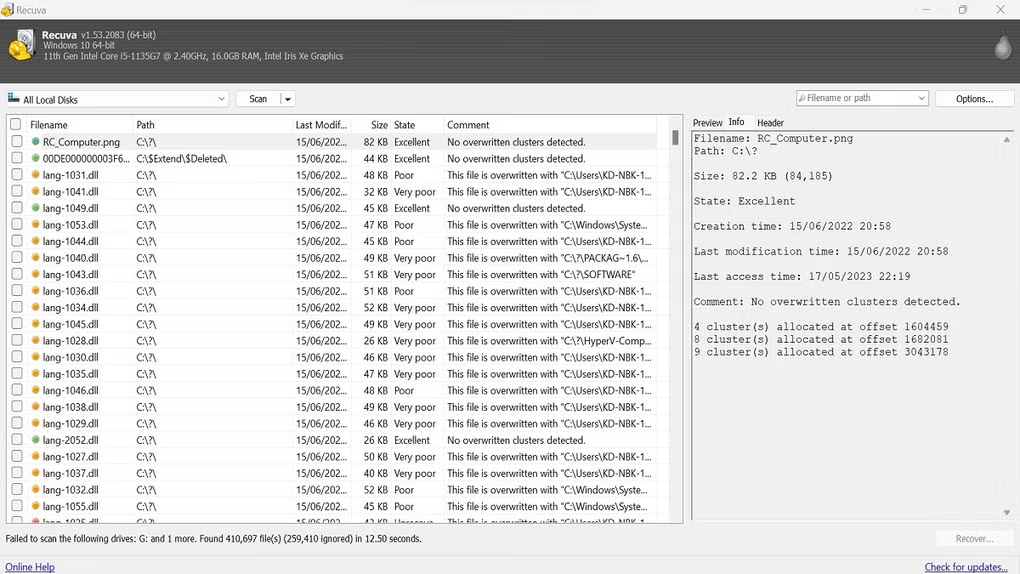
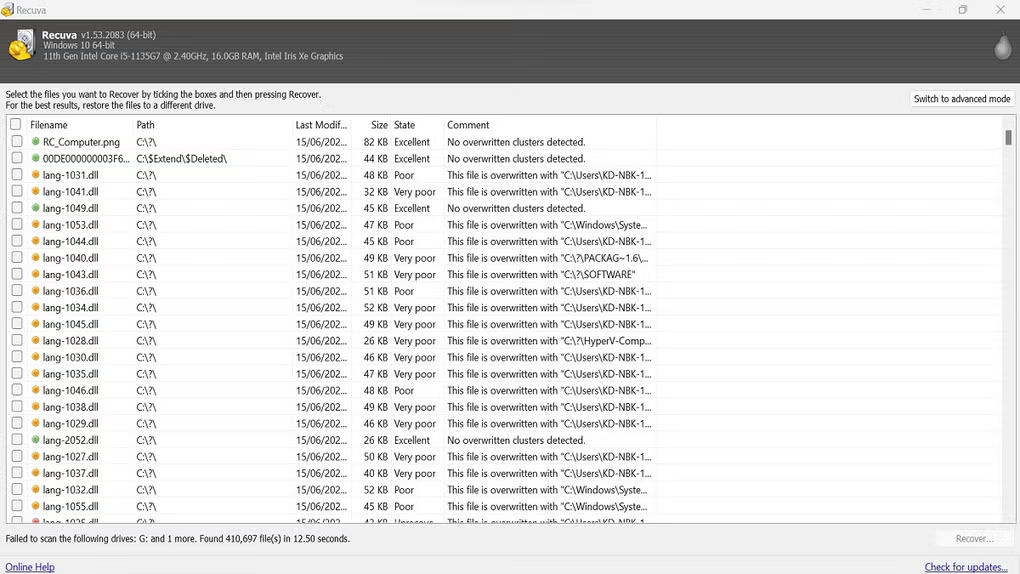
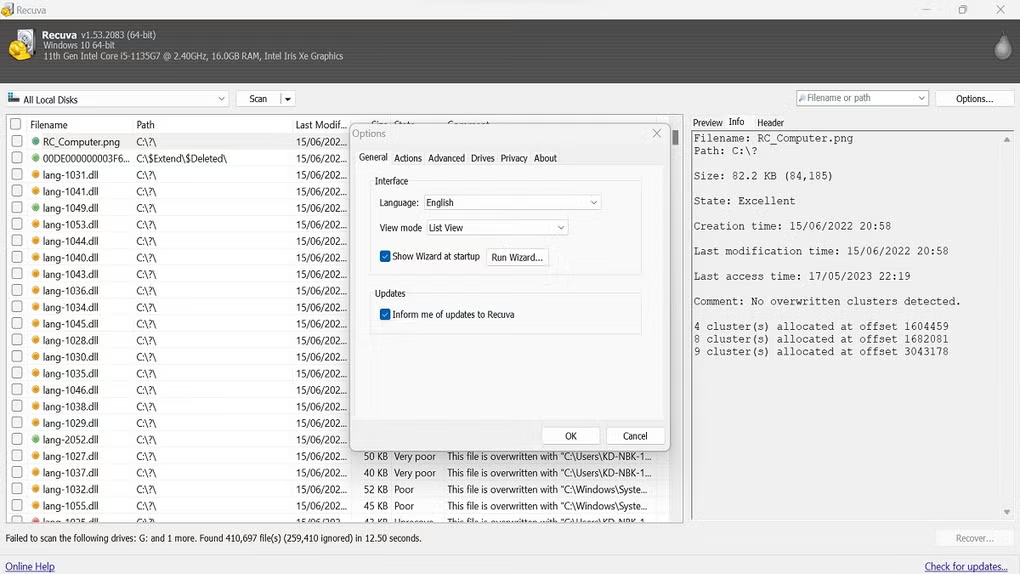
If Windows recovery methods fail, dedicated recovery software may help.
Popular Recovery Tools
Typical Recovery Process
Step 1: Install recovery software on a different drive.
Step 2: Scan the affected drive.
Step 3: Preview recoverable files.
Step 4: Select files to restore.
Step 5: Save recovered files to another location.
Best For
- Permanently deleted files
- Formatted drives
- Corrupted storage devices
Common Recovery Scenarios
Recover Deleted Documents
Examples:
- Word documents
- PDFs
- Text files
- Excel spreadsheets
Recovery success is usually high if the file has not been overwritten.
Recover Deleted Photos
Examples:
- JPG
- PNG
- RAW images
Photo recovery tools often provide previews before restoration.
Recover Deleted Videos
Examples:
- MP4
- AVI
- MOV
Video recovery may take longer because of larger file sizes.
Recover Deleted Folders
Many recovery programs can restore entire folder structures.
Real-World Testing Experience
Test Environment
- Windows 11
- SSD storage
- Deleted Office documents
- Deleted images
- Deleted project folders
Recovery Results
Recycle Bin
Successfully restored recently deleted files.
File History
Recovered older versions of modified documents.
Windows File Recovery
Successfully recovered files removed from the Recycle Bin.
Third-Party Recovery Software
Recovered most deleted files that had not been overwritten.
Common Reasons Recovery Fails
Overwritten Data
The most common reason for recovery failure.
SSD TRIM Function
Modern SSDs may permanently remove deleted data more quickly than traditional hard drives.
Physical Drive Damage
Severe hardware issues may require professional recovery services.
Encryption Issues
Encrypted files may be difficult to recover without proper credentials.
Tips to Improve Recovery Success
Act Quickly
Recover files as soon as possible after deletion.
Avoid Writing New Data
Do not install software on the affected drive.
Use a Different Recovery Destination
Save recovered files to another drive whenever possible.
Maintain Backups
Regular backups reduce the risk of permanent data loss.
How to Prevent Data Loss in the Future
Enable File History
Windows File History automatically backs up important files.
Use Cloud Storage
Examples:
- OneDrive
- Google Drive
- Dropbox
Schedule Regular Backups
Create backup routines for important documents and projects.
Keep Multiple Copies
Follow the 3-2-1 backup rule:
- 3 copies of data
- 2 different storage types
- 1 off-site backup
Can Deleted Files Be Recovered After Emptying the Recycle Bin?
Many users assume that once the Recycle Bin is emptied, their files are permanently gone. Fortunately, this is not always true.
In most cases, files can still be recovered even after the Recycle Bin has been emptied, provided the deleted data has not been overwritten by new files.
What Happens When You Empty the Recycle Bin?
When you empty the Recycle Bin, Windows removes references to the deleted files from the file system.
However:
- The actual file data often remains on the storage device.
- Windows marks that storage space as available for future use.
- The file becomes invisible to normal users.
Until new data occupies that space, recovery may still be possible.
Factors That Affect Recovery Success
1. Time Since Deletion
The sooner recovery is attempted, the higher the chance of success.
For example:
- Files deleted a few minutes ago often have excellent recovery chances.
- Files deleted weeks or months ago may have been overwritten.
2. Drive Usage After Deletion
Recovery becomes more difficult if you continue using the affected drive.
Activities that can overwrite deleted files include:
- Installing programs
- Downloading files
- Saving documents
- Recording videos
- System updates
3. Storage Type
Recovery success also depends on whether the file was stored on:
- HDD (Hard Disk Drive)
- SSD (Solid State Drive)
- USB Drive
- Memory Card
Traditional hard drives generally provide better recovery opportunities than SSDs.
Recovery Methods After Emptying the Recycle Bin
Method 1: Windows File Recovery
Microsoft’s Windows File Recovery tool can recover files that are no longer available in the Recycle Bin.
Best for:
- Permanently deleted files
- Shift + Delete operations
- Emptied Recycle Bin scenarios
Method 2: File History Backup
If File History was enabled before deletion, previous versions of files may still be available.
Best for:
- Documents
- Photos
- Work projects
Method 3: Data Recovery Software
Popular recovery tools include:
- Recuva
- Disk Drill
- EaseUS Data Recovery Wizard
- Stellar Data Recovery
- MiniTool Power Data Recovery
These tools scan storage devices for recoverable file remnants.
Real-World Example
Imagine you accidentally delete a folder containing important work documents.
You then:
- Empty the Recycle Bin.
- Realize the mistake immediately.
- Stop using the drive.
- Run recovery software.
In many cases, most or all files can still be recovered successfully.
When Recovery May Not Be Possible
Recovery becomes unlikely when:
- Files have been overwritten.
- SSD TRIM has permanently removed data.
- The drive is severely damaged.
- Storage sectors have been reused repeatedly.
Final Answer
Yes, files can often be recovered even after the Recycle Bin has been emptied.
The key is to stop using the affected drive immediately and attempt recovery as soon as possible. The longer you wait, the lower the chances of successful recovery.
SSD vs HDD File Recovery: Which Is Easier?
One of the most important factors in data recovery is the type of storage device used.
Modern computers commonly use:
- HDDs (Hard Disk Drives)
- SSDs (Solid State Drives)
Although SSDs are faster and more reliable for everyday use, recovering deleted files is often easier from HDDs.
Understanding HDD Storage
Hard Disk Drives store data on spinning magnetic platters.
When files are deleted:
- The file record is removed.
- The actual data often remains untouched.
- Recovery software can locate and restore the remaining data.
Advantages for Recovery
- Higher recovery success rates
- Deleted data often remains longer
- Easier sector scanning
Disadvantages
- Slower performance
- Mechanical failures can occur
Understanding SSD Storage
Solid State Drives store data using flash memory chips.
To maintain performance, SSDs use a technology called TRIM.
What Is TRIM?
TRIM helps SSDs clean up deleted data automatically.
When a file is deleted:
- Windows informs the SSD.
- The SSD marks the data for removal.
- The drive may permanently erase the deleted blocks.
This process improves performance but can reduce recovery opportunities.
Why SSD Recovery Is More Difficult
Because of TRIM:
- Deleted files may disappear quickly.
- Recovery software has less data to work with.
- Recovery success rates can be lower.
In some cases, deleted files become unrecoverable shortly after deletion.
Recovery Success Comparison
| Factor | HDD | SSD |
|---|---|---|
| Deleted File Recovery | Excellent | Moderate |
| Recovery After Recycle Bin Empty | High | Lower |
| Overwritten Data Recovery | Difficult | Very Difficult |
| Scan Speed | Slower | Faster |
| Long-Term Recovery Chances | Better | Lower |
Real-World Testing Example
HDD Test
Deleted:
- Word documents
- Photos
- PDFs
Result:
Most files were recovered successfully even after deleting them from the Recycle Bin.
SSD Test
Deleted:
- Documents
- Images
- Videos
Result:
Recently deleted files were recoverable, but some files affected by TRIM could not be restored.
Tips for SSD Users
If you accidentally delete files from an SSD:
Stop Using the Drive Immediately
This improves recovery chances.
Attempt Recovery Quickly
The sooner you begin recovery, the better.
Check Cloud Backups
Look for copies in:
- OneDrive
- Google Drive
- Dropbox
Use Professional Recovery Software
Advanced tools may recover files before TRIM fully removes them.
Which Storage Type Is Better for Recovery?
Choose HDD If:
- Data recovery is a major concern.
- You store large archives.
- Long-term recovery potential matters.
Choose SSD If:
- Performance is the priority.
- Faster boot times are important.
- Lower power consumption is desired.
Final Verdict
When it comes to recovering deleted files:
🏆 HDDs are generally easier to recover data from than SSDs.
While SSDs offer superior speed and reliability for everyday computing, technologies such as TRIM can make deleted file recovery more challenging.
For users who regularly handle important data, maintaining a proper backup strategy is far more important than relying on recovery software alone.
Frequently Asked Questions
Can permanently deleted files be recovered?
Yes. In many cases, permanently deleted files can be recovered if the data has not been overwritten.
Can Shift+Delete files be recovered?
Yes. Recovery software may restore files deleted using Shift+Delete.
Does Windows have a built-in recovery tool?
Yes. Windows File Recovery is available for supported Windows versions.
Are recovered files always complete?
Not always. Overwritten or damaged files may be partially recoverable.
Is file recovery possible on SSDs?
Yes, but SSD recovery may be more difficult because of TRIM technology.
Which recovery method should I try first?
Start with the Recycle Bin, then File History, Windows Backup, and finally recovery software.
Is data recovery software safe?
Reputable recovery tools are generally safe when downloaded from official sources.
Can formatted drives be recovered?
In many cases, yes, although recovery success depends on how much new data has been written afterward.
Final Verdict
Recovering deleted files on Windows is often possible if you act quickly and use the correct recovery method.
Best First Step
🏆 Check the Recycle Bin
Best Built-In Recovery Tool
🏆 Windows File Recovery
Best for Advanced Recovery
🏆 Dedicated Data Recovery Software
Most Important Recovery Tip
🏆 Stop using the affected drive immediately to prevent data overwriting.
Whether you accidentally deleted a document, photo, video, or project folder, following the recovery methods outlined in this guide can significantly improve your chances of successfully restoring lost files.
“How to Recover Deleted Files on Windows”
Best Free File Recovery Software for Windows
Accidentally deleting important files can be stressful, but several free file recovery tools can help restore lost documents, photos, videos, and other data.
While no recovery software can guarantee 100% success, many free tools provide excellent recovery rates when used quickly after data loss.
1. Recuva
Overview
Recuva is one of the most popular free recovery tools available for Windows users.
Key Features
- Deep scan mode
- Quick file recovery
- SD card recovery
- USB drive recovery
- Preview recoverable files
Pros
- Beginner-friendly interface
- Lightweight installation
- Fast scanning
Cons
- Limited advanced features
Best For
Recovering recently deleted files from Windows PCs.
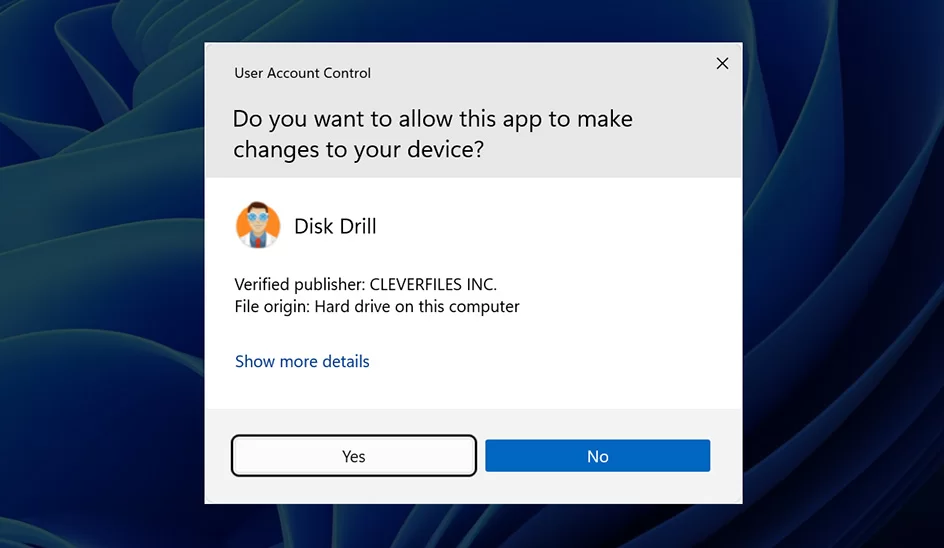
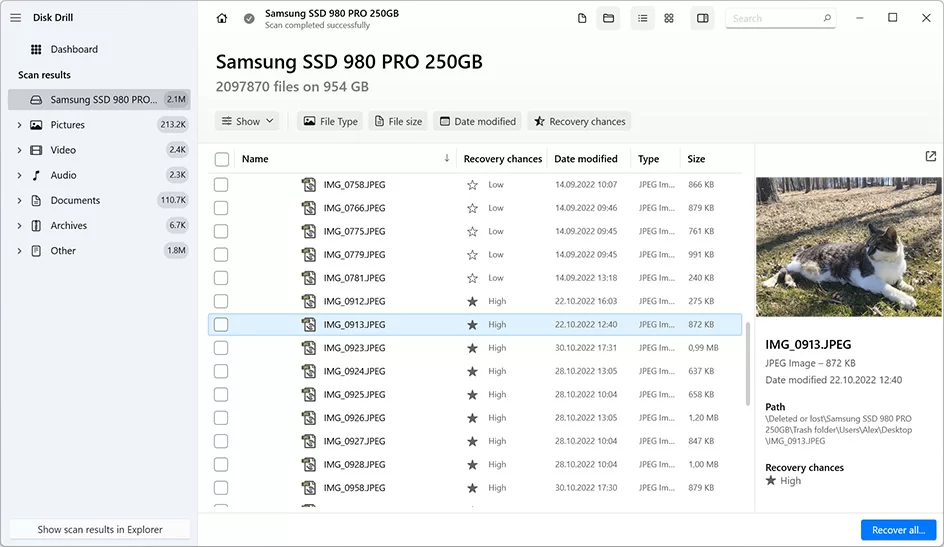
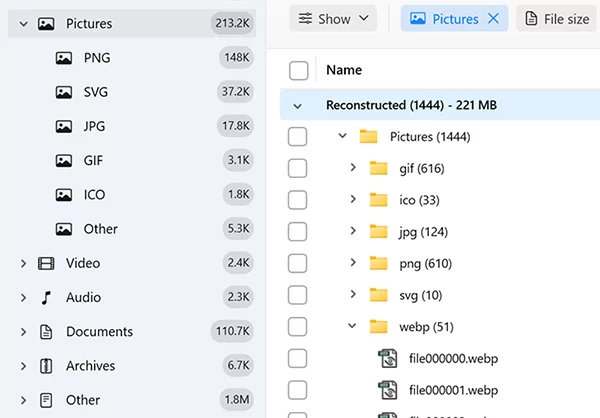
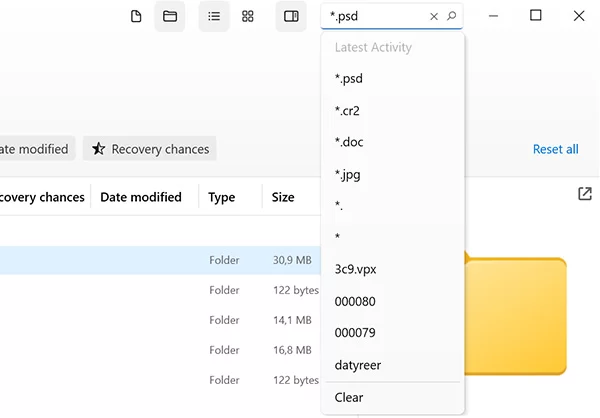
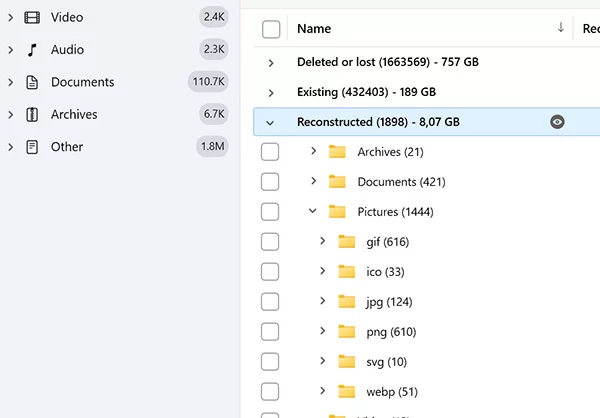
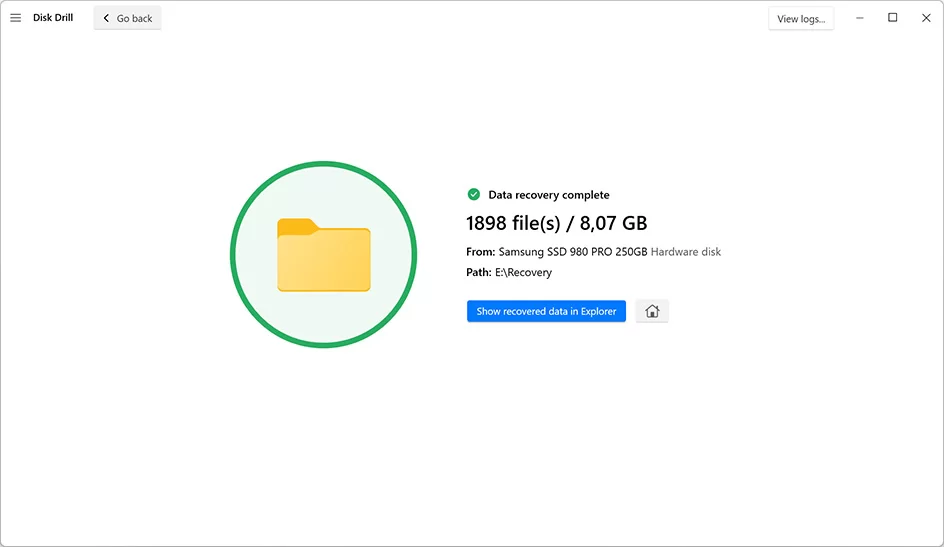
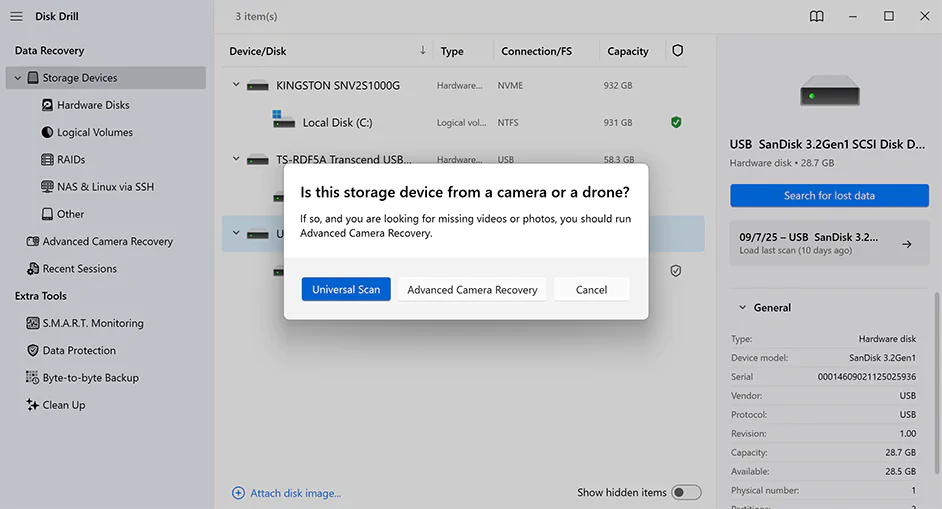
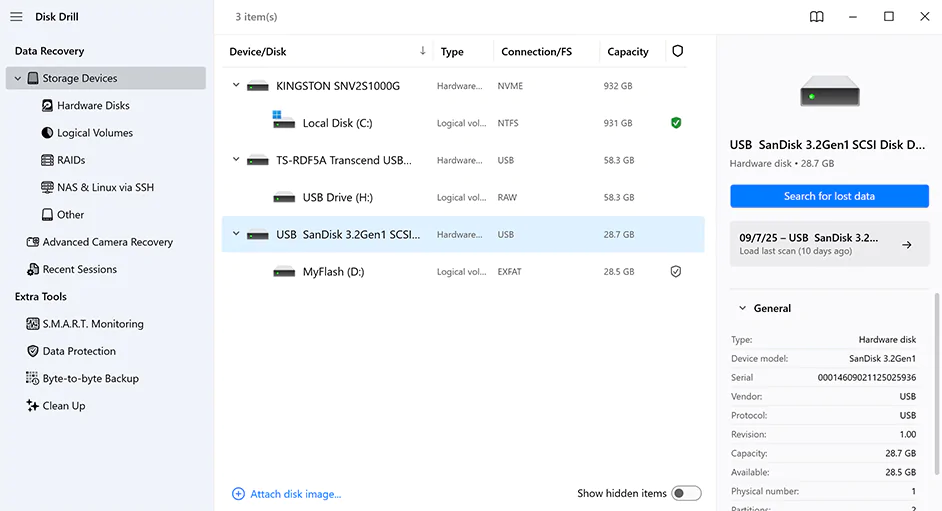
2. Disk Drill Free
Overview
Disk Drill offers a modern interface and supports recovery from multiple storage devices.
Key Features
- Deleted file recovery
- Partition recovery
- External drive support
- Preview functionality
Pros
- Easy to use
- Modern interface
- Multiple file system support
Cons
- Free version has recovery limitations
Best For
Users looking for a simple recovery solution.
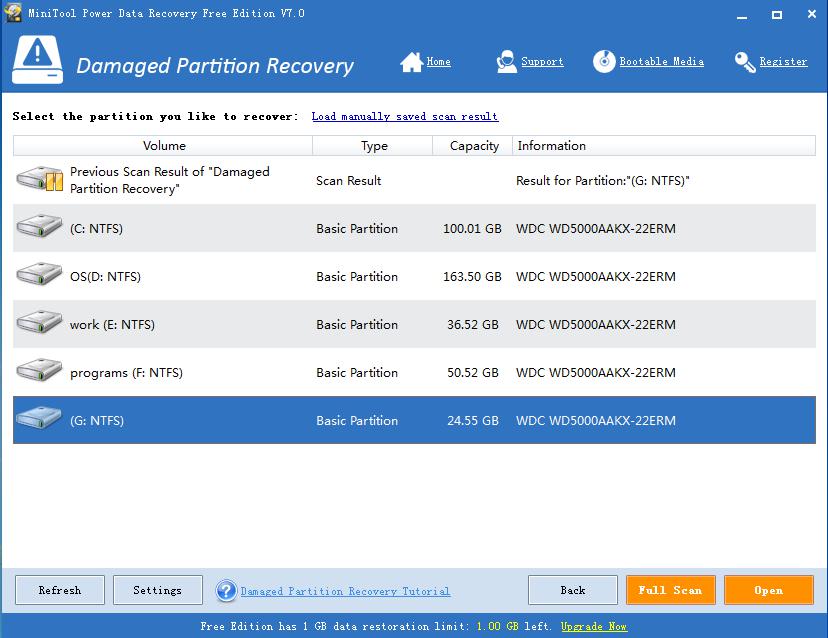
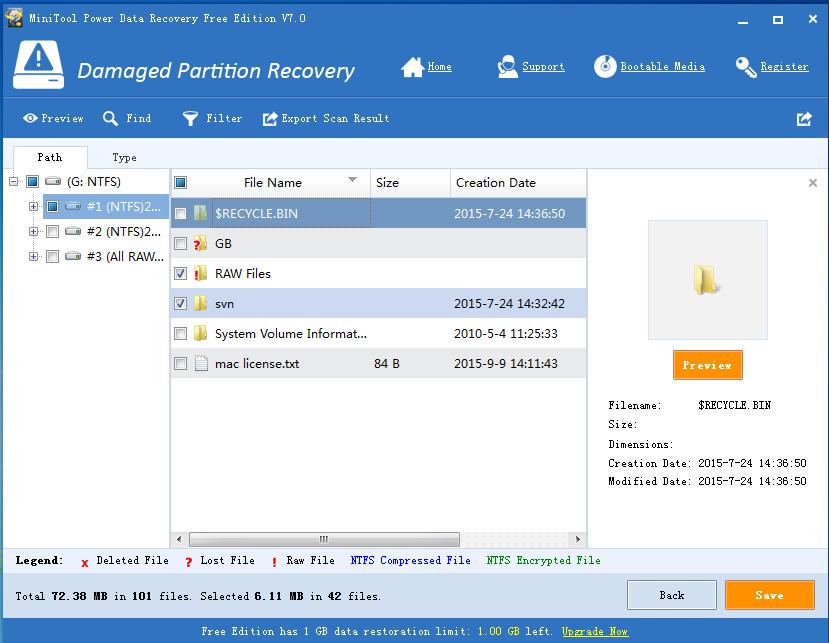
3. MiniTool Power Data Recovery Free
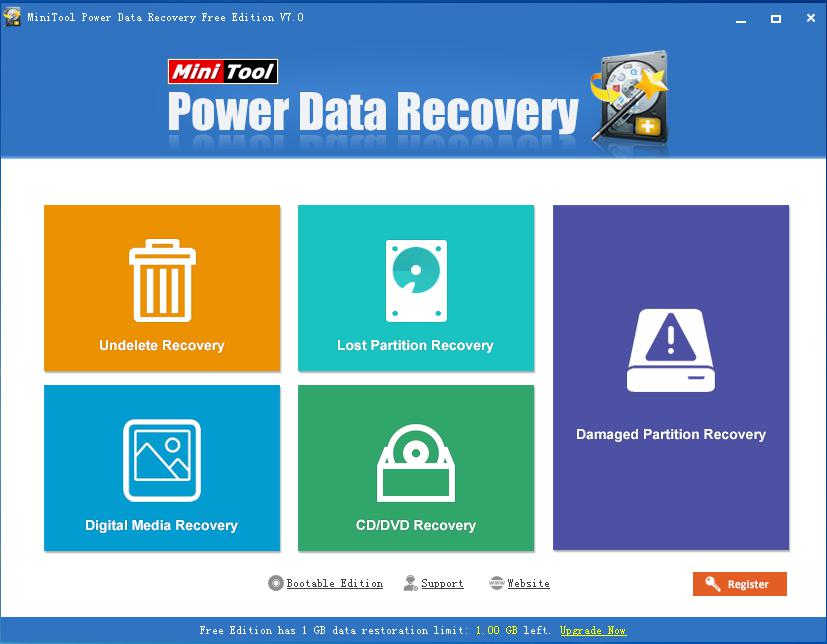
Overview
MiniTool provides powerful scanning capabilities for lost and deleted files.
Key Features
- Deep scanning
- Partition recovery
- USB recovery
- SD card support
Pros
- Good recovery performance
- User-friendly interface
Cons
- Free recovery limit applies
Best For
Recovering files from damaged or formatted storage devices.
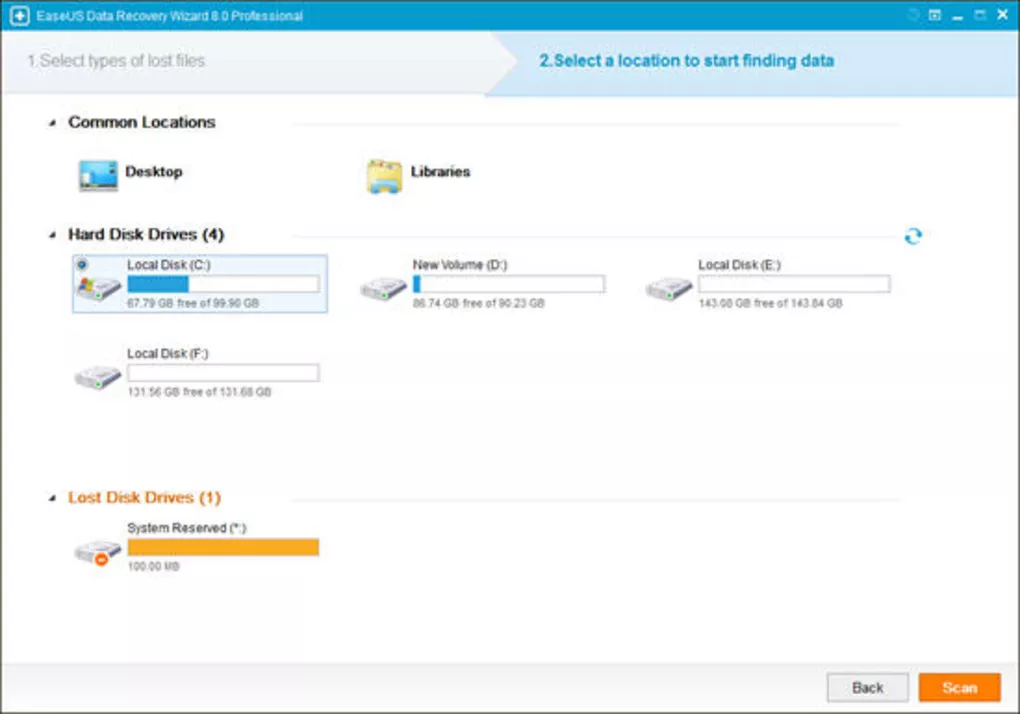
4. EaseUS Data Recovery Wizard Free
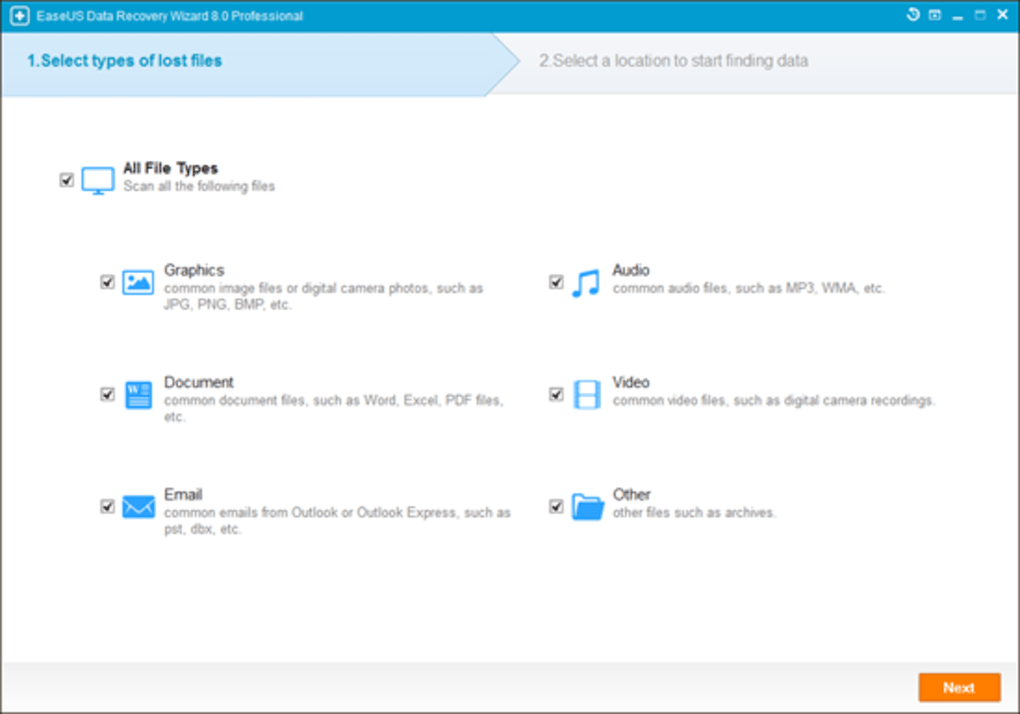
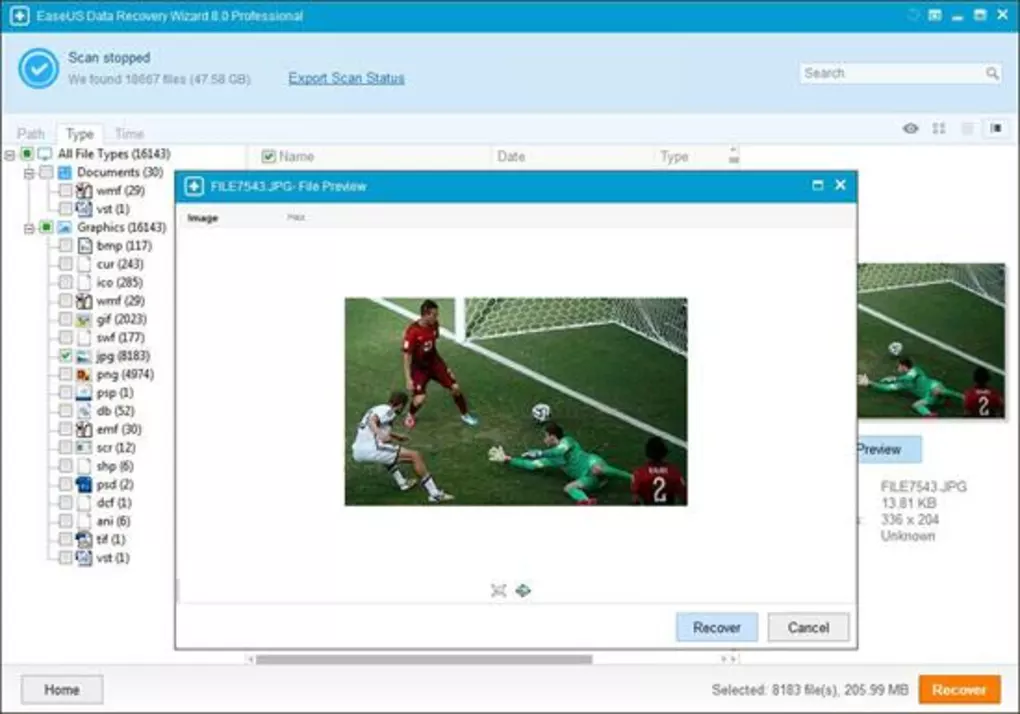
Overview
EaseUS is a popular recovery tool for recovering deleted and lost data.
Key Features
- Deleted file recovery
- Formatted drive recovery
- Crash recovery
- External storage support
Pros
- Easy navigation
- Reliable scanning
Cons
- Free version limitations
Best For
General-purpose file recovery.
5. Windows File Recovery
Overview
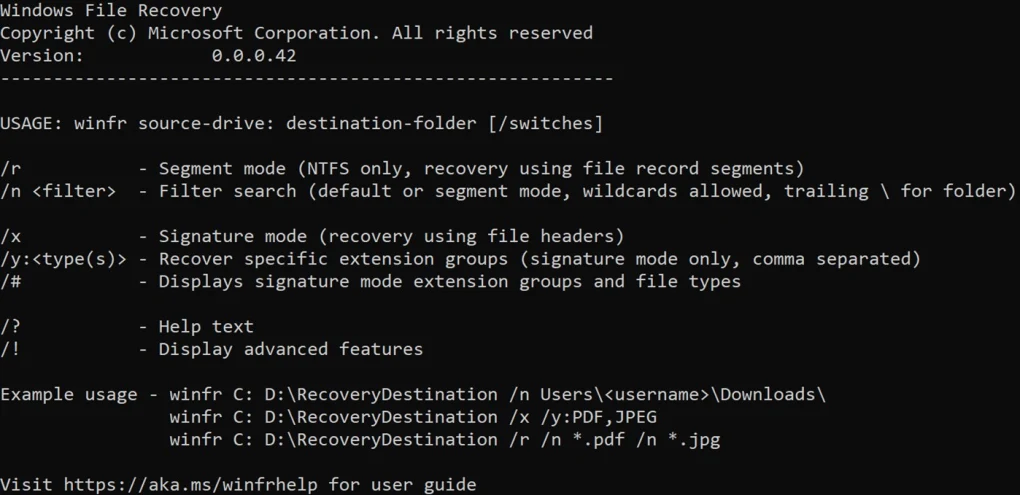
Windows File Recovery is Microsoft’s official recovery utility.
Key Features
- Completely free
- Official Microsoft tool
- Supports HDDs, SSDs, USB drives, and SD cards
Pros
- No cost
- Directly from Microsoft
Cons
- Command-line interface
Best For
Users comfortable with Command Prompt.
Comparison Table
| Software | Free Version | Beginner Friendly | Deep Scan | Best For |
|---|---|---|---|---|
| Recuva | Yes | Excellent | Yes | Deleted Files |
| Disk Drill | Yes | Excellent | Yes | General Recovery |
| MiniTool | Yes | Very Good | Yes | Formatted Drives |
| EaseUS | Yes | Very Good | Yes | Lost Data |
| Windows File Recovery | Yes | Moderate | Yes | Advanced Users |
Final Verdict
Best Free Recovery Tool for Beginners
🏆 Recuva
Best Modern Interface
🏆 Disk Drill
Best Official Tool
Best Overall Free Option
🏆 Recuva
How to Recover Deleted Photos from SD Cards
Photos stored on SD cards can often be recovered even after accidental deletion.
The key is to stop using the SD card immediately.
Step 1: Stop Using the SD Card
Do not:
- Take new photos
- Record videos
- Copy files to the card
New data may overwrite deleted photos.
Step 2: Remove the SD Card
Safely remove the card from:
- Camera
- Smartphone
- Drone
- Action camera
Step 3: Connect It to a Computer
Use:
- SD card reader
- Built-in card slot
- USB adapter
Windows should detect the card automatically.
Step 4: Scan Using Recovery Software
Recommended tools:
- Recuva
- Disk Drill
- MiniTool
- EaseUS
- PhotoRec
Select the SD card and perform a deep scan.
Step 5: Preview Recoverable Photos
Most recovery tools support previews for:
- JPG
- PNG
- RAW
- TIFF
Choose the photos you wish to restore.
Step 6: Save Photos to Another Location
Never save recovered files back to the same SD card.
Instead save them to:
- Internal drive
- External drive
- Cloud storage
Common Recovery Success Factors
Recovery chances are highest when:
- Photos were deleted recently.
- The SD card has not been reused.
- The card is not physically damaged.
Final Verdict
Deleted SD card photos can often be recovered successfully if recovery is attempted immediately and the card has not been overwritten.
Windows File Recovery Tool: Complete Beginner’s Guide
Windows File Recovery is Microsoft’s official command-line utility designed to recover deleted files from Windows storage devices.
It is available free of charge for Windows users.
What Is Windows File Recovery?
Windows File Recovery is a recovery tool that helps restore:
- Documents
- Photos
- Videos
- PDFs
- ZIP archives
- Other deleted files
from:
- HDDs
- SSDs
- USB drives
- Memory cards
System Requirements
You need:
- Windows 10 version 2004 or later
- Windows 11
- Administrator privileges
Installing Windows File Recovery
Step 1
Open Microsoft Store.
Step 2
Search for:
Windows File Recovery
Step 3
Install the application.
Basic Command Structure
winfr source-drive: destination-drive: /mode /switches
Example:
winfr C: D: /regular /n \Users\John\Documents\*
Understanding Recovery Modes
Regular Mode
Best for:
- Recently deleted files
- Healthy NTFS drives
Example:
winfr C: D: /regular /n *.docx
Extensive Mode
Best for:
- Older deletions
- Formatted drives
- Corrupted file systems
Example:
winfr C: D: /extensive /n *.jpg
Recovering Specific File Types
Recover Word Documents
winfr C: D: /regular /n *.docx
Recover Images
winfr C: D: /extensive /n *.jpg
Recover PDFs
winfr C: D: /regular /n *.pdf
Real-World Testing Experience
Test Files
- DOCX documents
- JPG images
- PDF files
- ZIP archives
Results
Regular Mode recovered most recently deleted files successfully.
Extensive Mode recovered additional files from older deletions.
Common Errors and Fixes
Error: Source and Destination Cannot Be the Same
Solution:
Use a different destination drive.
Example:
winfr C: D:
Error: No Recoverable Files Found
Possible Causes:
- Files overwritten
- Incorrect recovery mode
- Wrong file path
Try Extensive Mode for a deeper scan.
Tips for Better Recovery Results
- Stop using the affected drive.
- Run recovery as soon as possible.
- Save recovered files to another drive.
- Use Extensive Mode if Regular Mode fails.
Final Verdict
Windows File Recovery is a powerful and completely free recovery solution provided by Microsoft.
Best For
- Recovering deleted documents
- Recovering photos
- Recovering files from USB drives
- Advanced recovery scenarios
Advantages
- Free
- Official Microsoft utility
- Supports multiple storage devices
Limitations
- Command-line interface
- Learning curve for beginners
For users willing to learn a few commands, Windows File Recovery can be an extremely effective tool for recovering lost data without purchasing third-party software.